Producer
Vignobles Perse
 Castillon Côtes de Bordeaux, Bordeaux, France
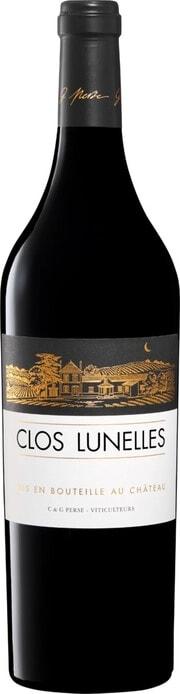
Vignobles Perse was established by Gérard and Chantal Perse, who transitioned from a successful career in the retail supermarket industry to viticulture in the early 1990s. Their first acquisition was Château Monbousquet in 1993, followed by the purchase of the historic Château Pavie in 1998. The family expanded their footprint into the Castillon region in 2001 by acquiring Château Lapeyronie, which was subsequently renamed Clos Lunelles. The group also manages other properties including Château Pavie-Decesse and Château Bellevue Mondotte, consolidating a significant presence on the Right Bank of the Garonne. After the death of Gérard Perse in July 2025, the management of the estates remained with Chantal Perse and her family.
The holdings in the Castillon Côtes de Bordeaux appellation are located on the Sainte-Colombe plateau, which shares the same limestone bedrock as the neighboring Saint-Émilion heights. Clos Lunelles consists of 8.5 hectares of vines, featuring a grape composition of 80 percent Merlot supported by Cabernet Franc and Cabernet Sauvignon. Winemaking involves rigorous vineyard management such as double leaf thinning and manual harvesting with sorting. Fermentation takes place in temperature-controlled cement vats, while malolactic fermentation occurs in new oak barrels. The wines typically age for 18 to 24 months in new wood and are bottled without fining or filtration to preserve their structural density.
The flagship of the portfolio is Château Pavie, which achieved the status of Premier Grand Cru Classé A in the Saint-Émilion classification. In the Castillon district, Clos Lunelles is regarded as a high-performing estate for the appellation, offering a similar level of concentration and technical precision to the family’s more famous properties. The Perse style is defined by late harvesting and high extraction, resulting in wines with significant power and aging potential. In addition to these estate-specific bottlings, the company produces Esprit de Pavie, a label that draws fruit from various family vineyards to offer a more accessible entry into their winemaking philosophy.