Producer
Torlesse Wines
 Waipara Valley, Canterbury, New Zealand
Torlesse Wines was established in 1991 in the Waipara Valley of North Canterbury. The winery was founded by a partnership of five local families, the Tomlin, Pharis, Fabris, Blower, and Rayner families, who continue to own and operate the estate. The name Torlesse was inspired by Charles Torlesse, a nineteenth century English surveyor and farmer who became a significant landowner in the region and whose name is shared with the nearby mountain range. The production facility originated as a farm woolshed that was converted for winemaking in 1987, with the Torlesse brand moving its operations to the site several years later. Following the death of founding winemaker Kym Rayner in 2023, the operation has remained a close knit family business.
The estate manages approximately 80 acres of vines divided among four primary vineyard sites. These blocks include the Winery Block, the McKenzie Vineyard on Weka Creek terraces, the north-facing slopes of Waipara Fields, and the Rayner Vineyard, which contains some of the oldest vines in the valley. The terroir is characterized by a diversity of soil types including gravelly deposits, limestone-derived clays, and heavy clay loams. Viticultural practices focus on sustainability, and the producer was a foundation member of the Greening Waipara project. Grapes are generally hand harvested and processed in small batches to preserve the character of individual blocks. The winery was notably the first in its region to adopt screw cap closures, beginning with its 2001 Riesling.
While Torlesse produces a wide range of styles, it is most recognized for its Pinot Noir and Sauvignon Blanc. The portfolio also features significant plantings of aromatic white varieties such as Riesling, Pinot Gris, and Gewürztraminer, along with smaller quantities of Albariño and Bordeaux red varieties. The estate is also one of the few in the region to produce a fortified Tawny Port style wine. As an established label in Waipara, the winery has maintained a reputation for estate-grown wines that reflect the specific climatic conditions of North Canterbury. The cellar door, which opened in 2000, serves as a focal point for the producer and emphasizes its role as an independent, family-run fixture in the local wine community.
Wines from Torlesse Wines
5 wines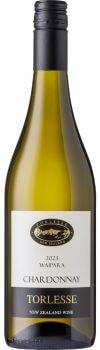 Canterbury (Waipara Valley)
Torlesse Chardonnay
Torlesse Wines · NV
Chardonnay
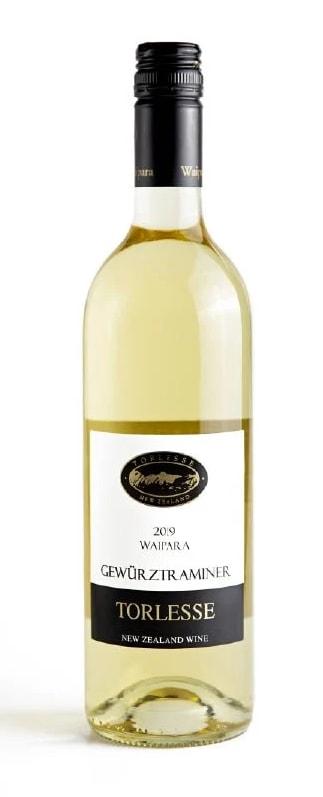 Canterbury (Waipara Valley)
Torlesse Gewürztraminer
Torlesse Wines · NV
Gewürztraminer
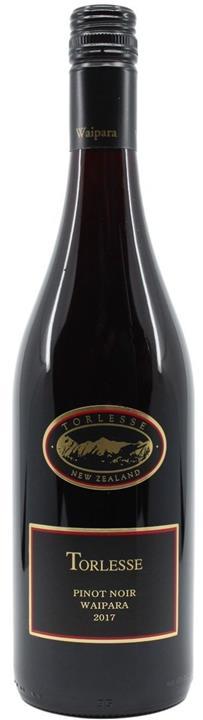 South Island (Canterbury)
Torlesse Pinot Noir
Torlesse Wines · NV
Pinot Noir
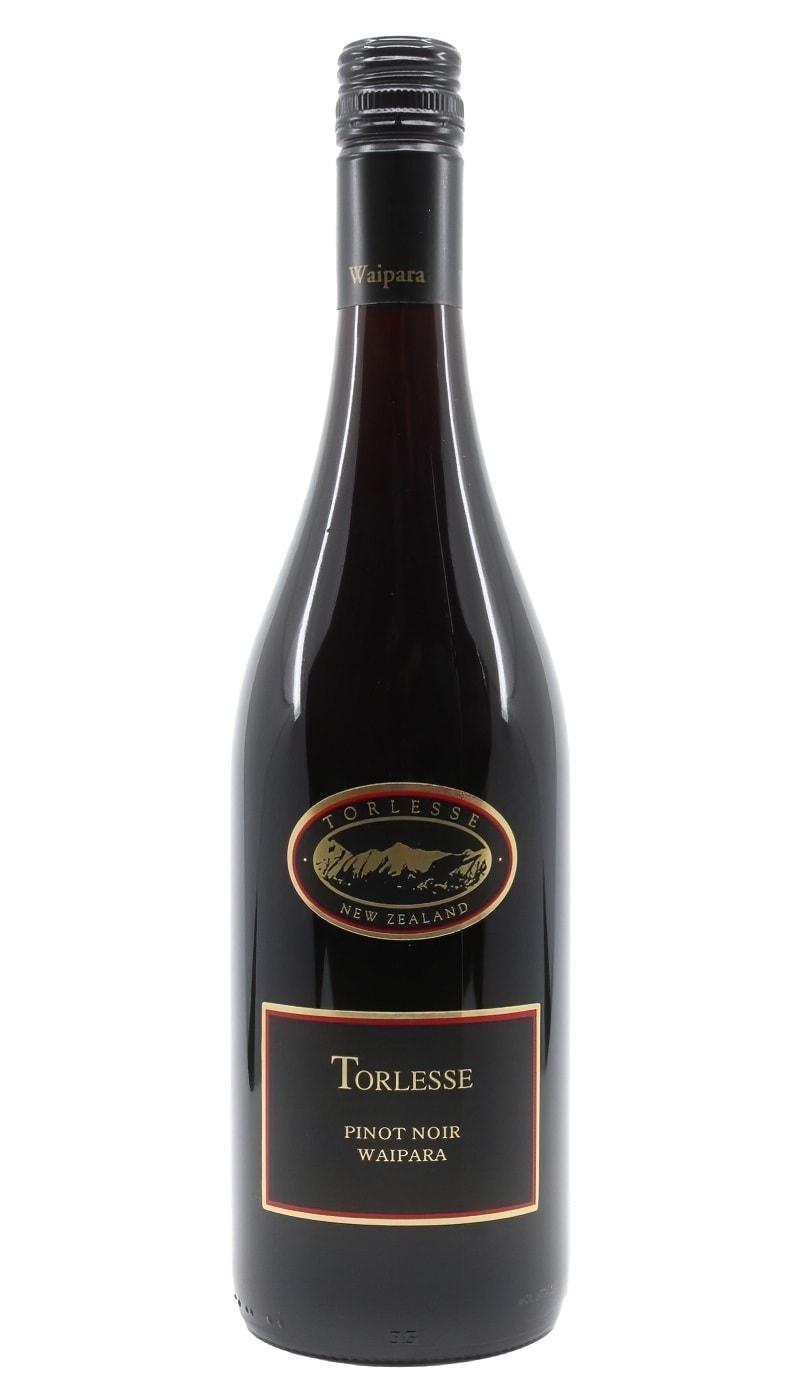 Canterbury (Waipara Valley)
Torlesse Pinot Noir Reserve
Torlesse Wines · NV
Pinot Noir
 Canterbury (Waipara Valley)
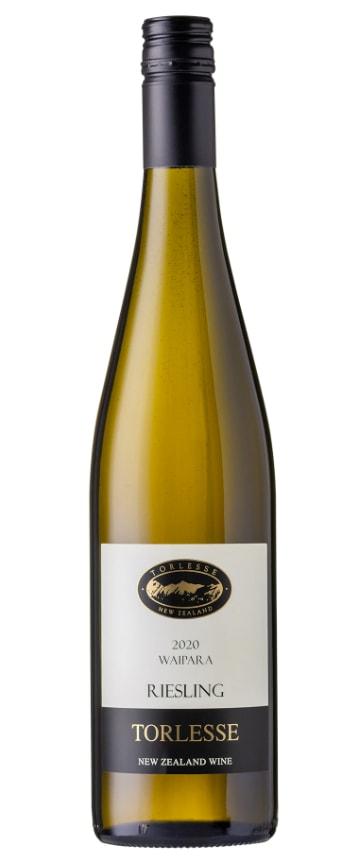
Torlesse Riesling
Torlesse Wines · NV
Riesling