Producer
Tappero Merlo
 Erbaluce di Caluso, Piedmont, Italy
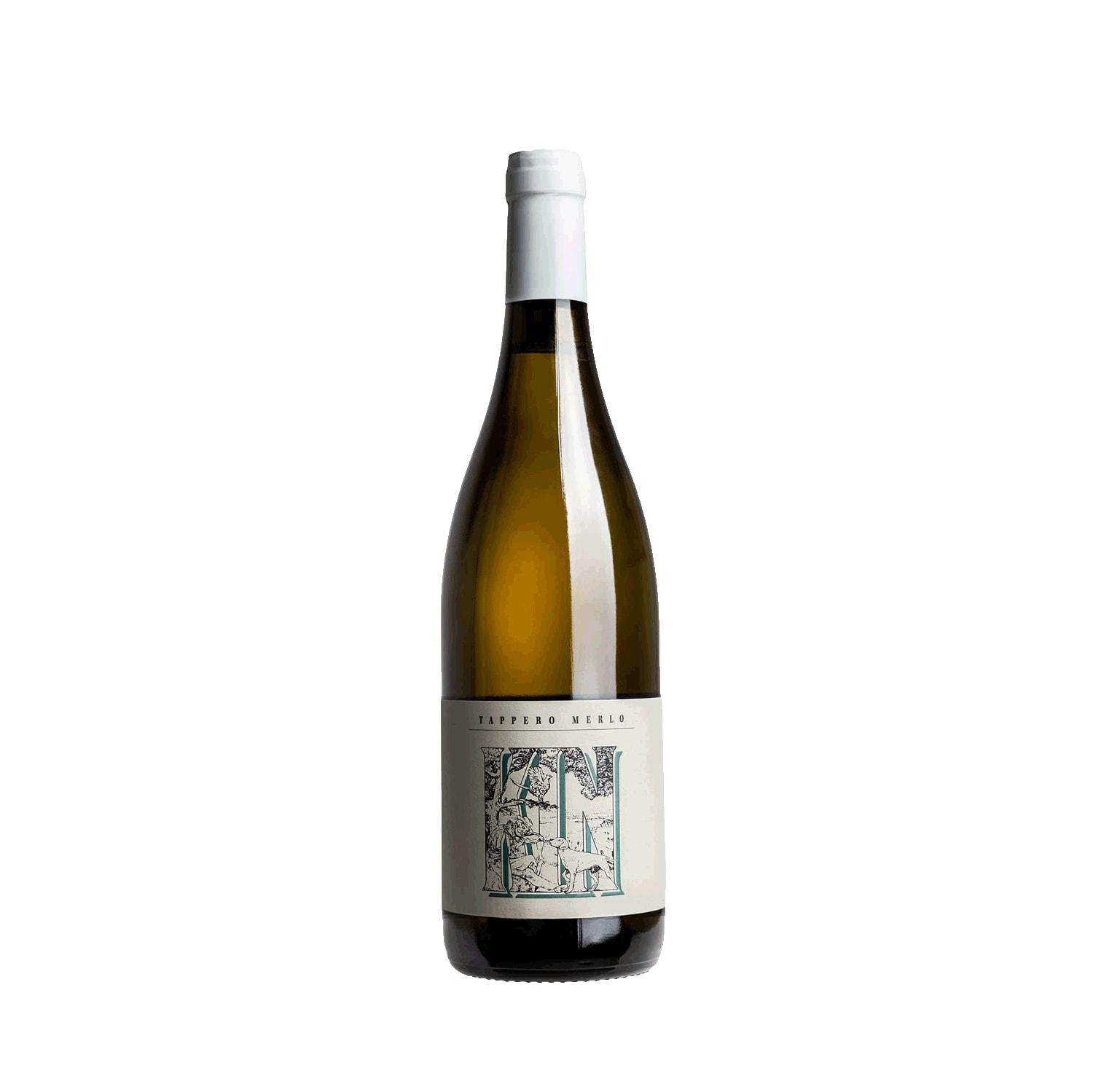
Domenico Tappero Merlo established this boutique winery in 2001, marking a return to his family's agricultural roots in the Canavese region of Piedmont. His ancestors had been viticulturists for generations, yet Domenico initially pursued a career in the technology and electronics sector for over two decades. He was inspired to return to the land by the abandonment of historic vineyards and a desire to preserve the heritage passed down by his grandfather, also named Domenico Tappero Merlo, who was affectionately known as Kin. The estate operates as a family concern focused on revitalizing the identity of local winemaking.
The vineyards cover about three hectares within the Ivrea Morainic Amphitheater, a geological formation created by glacial movements. This terroir consists of sandy, stony soils low in organic matter but high in minerals, which contributes to the sharp acidity and mineral profile of the wines. Cultivation is conducted using organic and biodynamic practices, with a preference for Guyot training over the traditional pergola system to control yields. The winemaking process is characterized by patience and low intervention. Primary fermentation starts with indigenous yeasts in steel tanks and concludes in 20 hectolitre oak barrels. Wines typically undergo long aging periods on the lees with weekly battonage before settling in concrete and resting in bottles for several years.
The estate is a specialist in the indigenous Erbaluce variety, which it produces in several styles under the Erbaluce di Caluso DOCG. The signature dry white, KIN, is crafted to challenge the perception of Italian whites by offering great complexity and a capacity for long term cellaring. The winery is also noted for its Bohémien, a Caluso Passito Riserva made from grapes dried in ventilated attics until March and aged for a total of ten years. Additional wines include the Cuvée des Paladins, a traditional method sparkling wine, and the Acini Perduti bottling. Tappero Merlo is recognized for its slow wine approach, emphasizing the historical significance of the Canavese territory and the aromatic depth of its ancient grape.