Producer
St. Antony
 Rheinhessen, Germany, Germany
The history of the estate began in 1920 when it was established by the Gutehoffnungshütte industrial group. It was named in honor of the St. Antony ironworks, which was the first industrial smelting facility in the Ruhr area. For several decades, the wines were primarily used for corporate hospitality before being marketed to the public. In 2005, the investor Detlev Meyer purchased the winery and began a period of modernization. This expansion included the acquisition of the historic Freiherr Heyl zu Herrnsheim estate in 2008, whose vineyard holdings and name were merged into the St. Antony operation. Dirk Würtz took over as managing partner and director in 2018, implementing changes to the wine portfolio and stylistic direction.
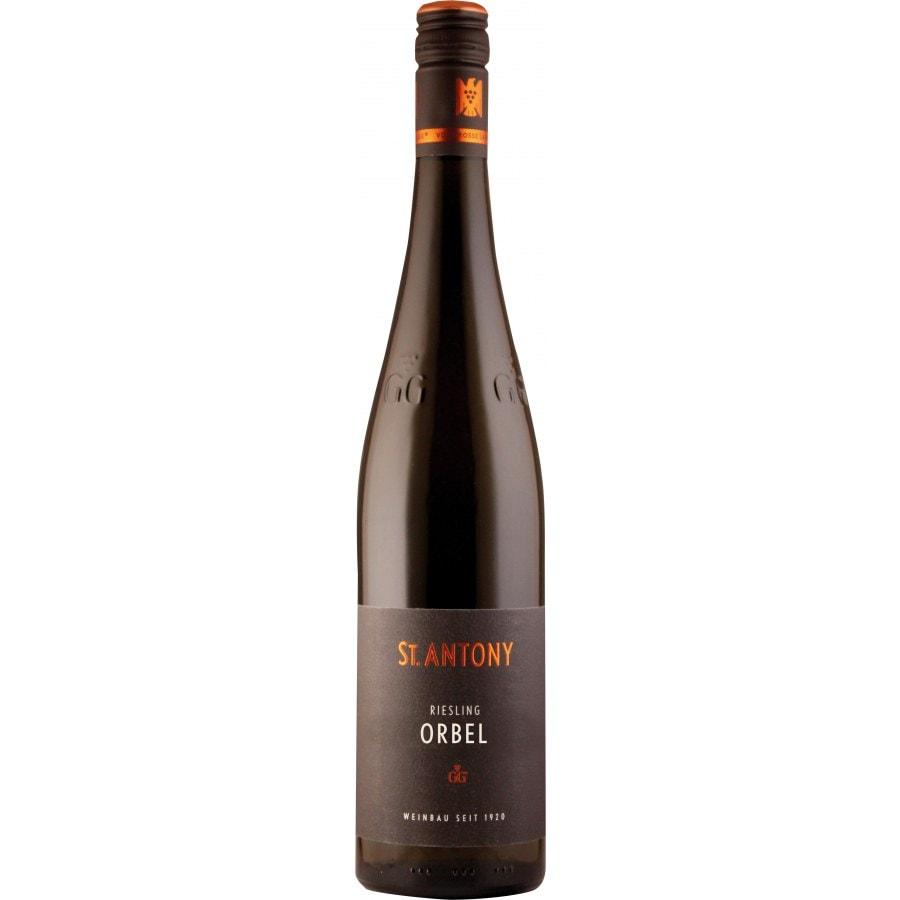
The estate oversees 60 hectares of vineyards, with the most significant parcels located on the Roter Hang in Nierstein. This geological formation consists of red Permian slate and sandstone, which provides the wines with a specific mineral profile. Vineyard holdings include well-known sites like Pettenthal, Hipping, Ölberg, and Orbel. St. Antony also controls two monopole sites, Brudersberg, which sits on red slate, and Zehnmorgen, which is characterized by limestone. Farming has been certified organic since 2006, and the winery achieved full Demeter biodynamic certification with the 2018 vintage. In 2019, the management decided to cease all mechanical work in the steep slopes, transitioning to entirely manual cultivation to protect the soil and vine health.
As a member of the VDP, St. Antony focuses on dry Rieslings that highlight the varied expressions of the Nierstein slopes. The wines are categorized according to the VDP classification system, with the Grosse Gewächse from top vineyard sites serving as the highest tier of the range. The estate also produces a wine called Rotschiefer, which serves as a representative introduction to the red slate terroir. While Riesling remains the primary focus, the producer has established a reputation for red wines made from Blaufränkisch and Pinot Noir. Winemaking involves spontaneous fermentation and minimal use of additives, allowing the wines to develop naturally in either stainless steel or large wooden barrels.