Producer
Peter Lauer
 Mosel, Germany, Germany
Weingut Peter Lauer is located in the village of Ayl in the Saar valley, which is a part of the larger Mosel region. The estate traces its viticultural history back to 1830 with Matthias Könen. The property passed to the Lauer family in 1904 following the marriage of the daughter of Könen to Matthias Lauer. In 1956, the estate expanded significantly through the acquisition of the Tappen Mungenast winery, which added valuable parcels in Saarburg and within the Ayler Kupp. Today, Florian Lauer manages the operations, having taken responsibility for the cellar and management from his father, Peter, in 2005. Under the direction of Florian, the estate became a member of the VDP in 2013, representing the fifth generation of family ownership.
The estate manages approximately 10 hectares of vineyards dedicated exclusively to Riesling. Most holdings are situated on the steep slopes of the Ayler Kupp where the soil consists primarily of blue and grey slate. Florian Lauer utilizes organic viticultural practices and emphasizes manual labor due to the extreme gradients of the terrain. In the cellar, the winemaking philosophy prioritizes minimal intervention and traditional methods. Fermentation is entirely spontaneous, relying on indigenous yeasts found in both the vineyard and the old wooden casks. These large barrels, known as foudres, are used for slow fermentations and extended lees contact to provide natural stability and texture without the need for fining agents or heavy filtration.
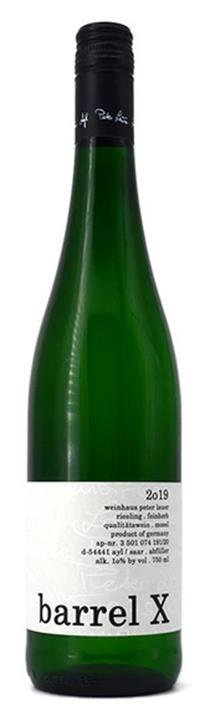
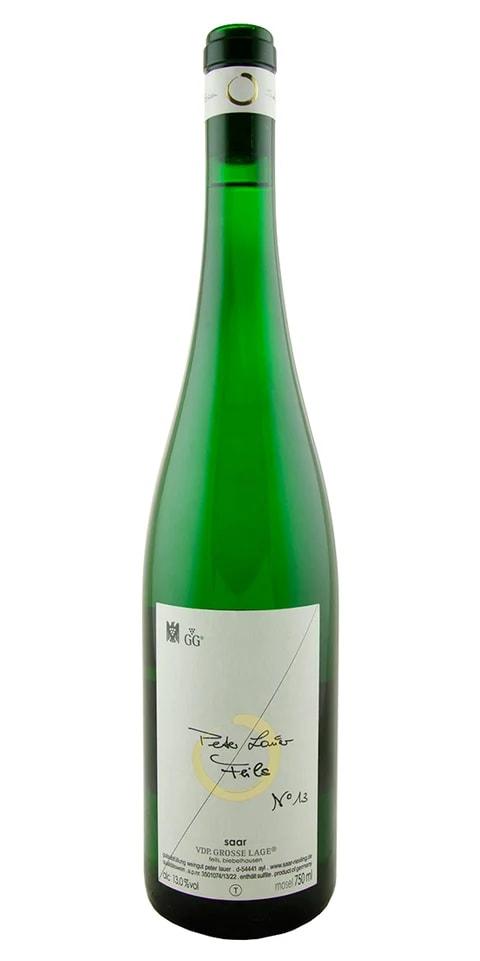
Signature wines at the estate are identified by Fass or cask numbers. This is a traditional system Florian Lauer restored to distinguish specific parcels and stylistic variations. This numbering system allows for a more granular expression of terroir that avoids the limitations of modern German wine laws. The Fass 6 bottling, labeled as Senior, is based on a selection originally favored by the grandfather of Florian Lauer and is widely recognized for its feinherb balance. Other notable releases include the dry Grosses Gewächs wines from the Kupp and Schonfels vineyards. The estate is highly regarded for producing wines that emphasize acidity and mineral tension, successfully bridging the gap between traditional styles with residual sugar and modern dry Riesling.