Producer
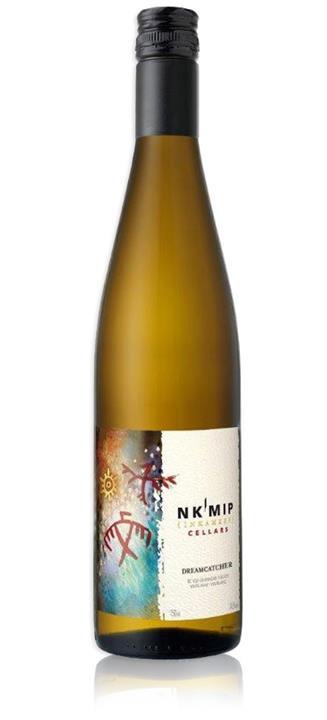
Nk'Mip Cellars
 Okanagan Valley, British Columbia, Canada
Nk'Mip Cellars opened its doors in 2002 as the first Indigenous-owned winery in North America. It is a joint venture between the Osoyoos Indian Band, which holds a 51 percent majority stake, and Arterra Wines Canada. The partnership grew from a long history of viticulture on the band's reserve land, where they have cultivated the Inkameep Vineyard since 1968. Before producing their own wine, the band was a major supplier of grapes to prominent Canadian wineries like Andres and Inniskillin. Chief Clarence Louie was instrumental in the winery's development, viewing it as a way to ensure financial independence and employment for the community while reclaiming control over their agricultural heritage.
The winery is situated in the Osoyoos Lake District, an area recognized as the northernmost tip of the Sonoran Desert and the hottest part of Canada. The vineyards span over 300 acres of desert landscape characterized by deep sandy soils and high summer heat units followed by significant diurnal temperature shifts. These conditions are well suited for ripening late-harvest red grapes and producing concentrated white wines. Justin Hall, a member of the Osoyoos Indian Band, serves as the estate winemaker after training under founding winemaker Randy Picton and studying in New Zealand. Hall focuses on capturing the specific character of the southern Okanagan, often noting the presence of sage and desert herbs in the aromatic profiles of the wines.
Production is organized into distinct tiers, with the Winemaker's Series serving as the estate's entry line and the Qwam Qwmt series representing the premium reserve selections. The name Qwam Qwmt translates to achieving excellence in the Okanagan language and is reserved for wines sourced from the oldest vineyard blocks. Signature varietals include Syrah, Merlot, and Chardonnay, alongside a flagship Bordeaux-style blend known as Mer'r'iym. The winery has gained national recognition for its Syrah and Riesling Icewine, frequently winning top honors at the National Wine Awards of Canada. It is considered a benchmark producer for the South Okanagan, demonstrating the potential of desert viticulture in a high-latitude region.