Producer
Domaine Servin
 Chablis Premier Cru, Burgundy, France
The Servin family has lived in Chablis since at least 1654, with records identifying them as vineyard owners and workers across seven generations. Historically, members of the family served as both winemakers and coopers, a necessity during periods when wine production alone could not sustain the household. François Servin currently manages the estate, following in the footsteps of his father and grandfather. Since the late 1990s, he has worked alongside Australian associate Mark Cameron, who handles exports and assists with technical operations. The domaine was among the first in the region to export bottled wines to the United States, forming a historical partnership with the importer Alexis Lichine after the Second World War.
The domaine manages 37 hectares of vineyards, a significant holding for a family estate in the region. These parcels are spread across the Chablis appellation, including four Grand Cru sites such as Les Clos, Blanchot, Bougros, and Les Preuses. They also hold six Premier Cru vineyards, including Montée de Tonnerre, Vaillons, and Vaucoupin. The vines grow in Kimmeridgian limestone soil, which defines the mineral character of the fruit. Winemaking involves a mix of stainless steel tanks and oak barrels, depending on the specific plot. For example, Les Clos is typically vinified in oak, while other cuvées remain in steel to preserve acidity. The estate uses massale selection for its vines and maintains high planting densities to encourage depth.
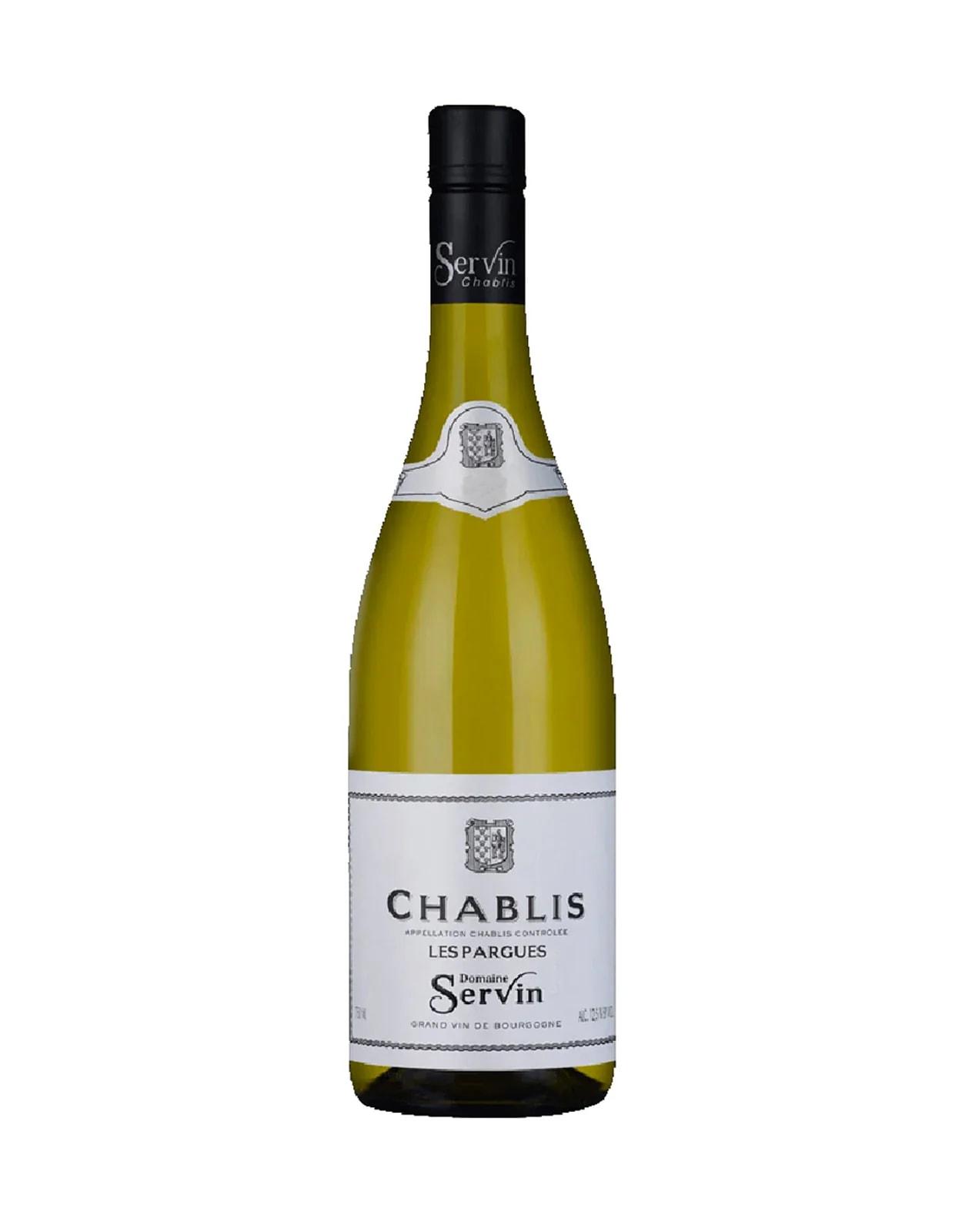
Signature wines include the Grand Cru bottlings and the Premier Cru Montée de Tonnerre. The domaine also produces a wine from Les Pargues, a site situated between two Premier Cru vineyards that was excluded from the official classification after World War I. This specific cuvée is often highlighted for providing quality comparable to a Premier Cru at a village level price. Domaine Servin is a founding member of the Union des Grands Crus de Chablis. Its wines are frequently recognized by critics for their strong oceanic notes, including salt, iodine, and crushed shells. Most of the production is exported, appearing on restaurant lists globally as a representative example of traditional Chablis style.