Producer
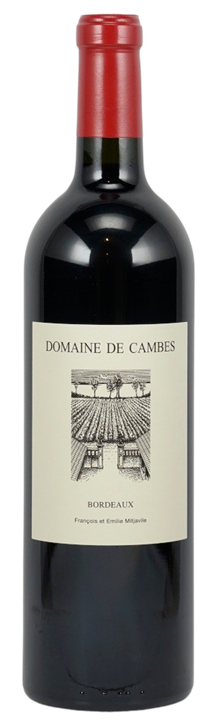
Domaine de Cambes
 Bordeaux AOC, Bordeaux, France
François Mitjavile acquired this property in 1988, several years after he began his work at Château Tertre Roteboeuf in Saint-Émilion. The purchase included a 14th-century cellar and a complex of vineyards in the Côtes de Bourg region. While the primary estate was named Château Roc de Cambes, the lower parcels near the Gironde estuary were designated for the Domaine de Cambes label. The estate is a family-run enterprise, with François working alongside his daughter Nina and his son Loulou. This team continues to operate outside the traditional Bordeaux classification systems, prioritizing family control and an independent winemaking philosophy.
The vineyard holdings are located on the alluvial plains, or paluds, situated at the base of the slopes in the commune of Saint-Laurent-des-Combes. Because these specific plots are situated on the flats near the river rather than on the designated hillsides, the wine is bottled under the Bordeaux AOC or Bordeaux Supérieur appellations. The terroir consists of dense clay soils that provide a cooler environment for the vines, which helps to preserve freshness during the ripening process. In the cellar, the fruit undergoes fermentation in concrete tanks. The wine is then aged for approximately 15 to 18 months in French oak barrels, with the percentage of new oak typically hovering around 50 percent to ensure a balance between fruit and wood influence.
Domaine de Cambes is frequently mistaken for a second wine of the larger Roc de Cambes estate, yet it is managed as a separate entity from distinct vineyard blocks. The production is dominated by Merlot, which usually makes up about 60 percent of the blend, while Cabernet Franc provides structure and aromatic lift. In some vintages, small portions of Malbec or Cabernet Sauvignon are also included. The wine has gained a reputation for its silky tannins and aromatic complexity, often compared to the style of the family's other properties. It represents an entry point into the Mitjavile family's approach to viticulture, which focuses on late harvesting and the pursuit of aromatic maturity in the finished wine.