Producer
Domaine Altugnac
 Haute Vallée de l'Aude, Languedoc-Roussillon, France
Christian Collovray and Jean-Luc Terrier, childhood friends from the Mâconnais region of Burgundy, acquired this estate in 1997. The two partners, who also married sisters Brigitte and Florence, were already established at Domaine des Deux Roches in Davayé before expanding their operations to the Languedoc. When they arrived, the property consisted of approximately 45 hectares and required significant restoration. The estate was originally named Château d'Antugnac but the families changed the name to Domaine Altugnac in 2020 as a reference to the village's 14th century spelling. Today, the operation involves multiple family members, including Julien Collovray, who joined in 2009 to manage viticulture and oenology.
The vineyards now span 110 hectares within the Haute Vallée de l'Aude, primarily around the communes of Antugnac and Montazels. These sites are located in the foothills of the Pyrenees at elevations between 200 and 600 meters, placing them among the highest vineyards in the region. This altitude provides a cooling effect that balances the Mediterranean sunshine with Atlantic influences and cold mountain air. The terroir is characterized by stony, clay-limestone soils rich in marine fossils called turritelles. The families apply a Burgundian approach to these plots, focusing on site-specific selections and maintaining low yields. The estate achieved High Environmental Value certification in 2017 to formalize its commitment to sustainable farming practices.
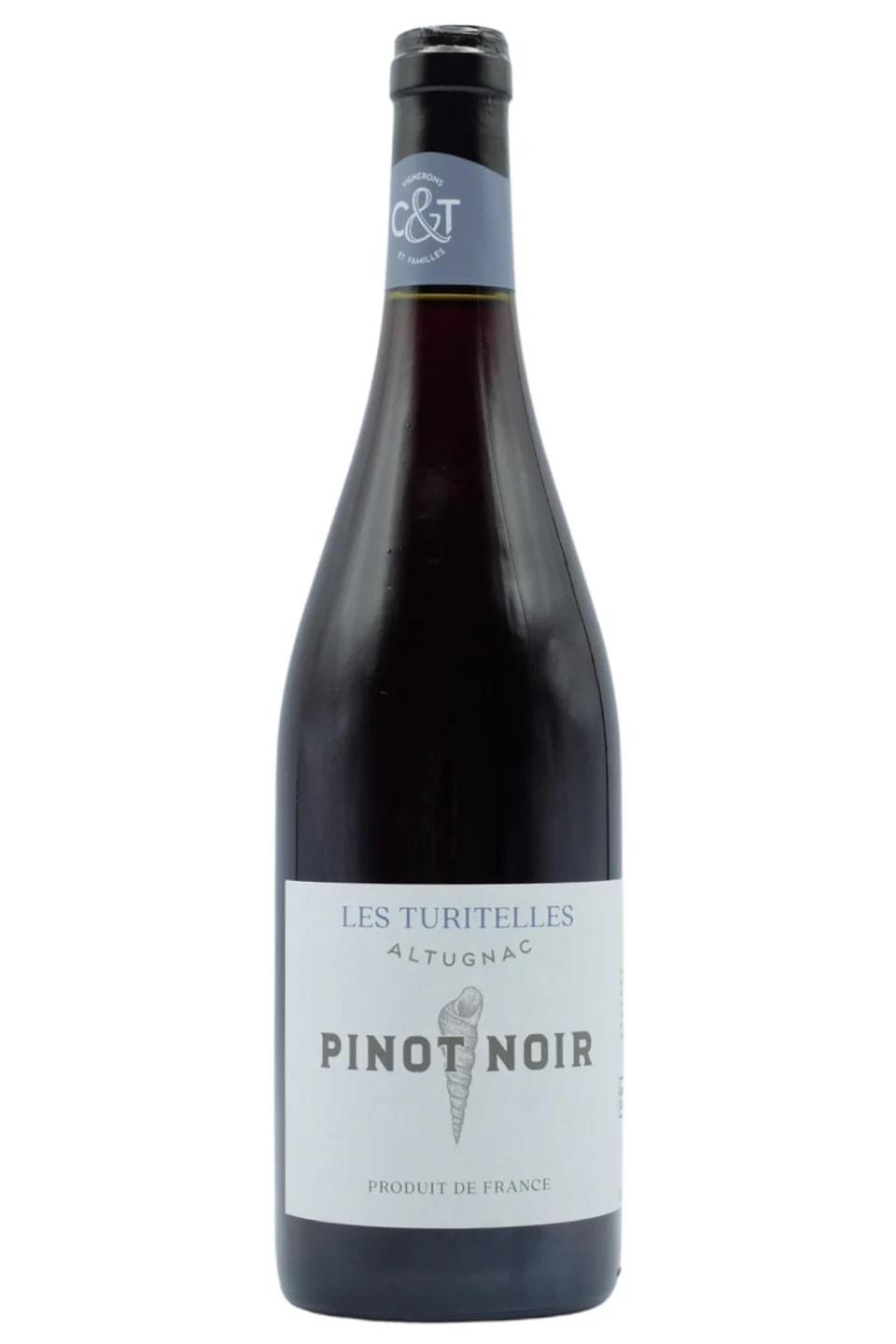
The producer is best known for applying Burgundian precision to Chardonnay and Pinot Noir, though it also cultivates regional varieties like Mauzac and Syrah. Signature wines include the Terres Amoureuses white and the Aux Bons Hommes red, both bottled under the Limoux appellation. The Les Turitelles range provides accessible varietal wines named after the fossilized shells found throughout the estate. More complex, parcel-specific offerings like Las Gravas and Garennes represent the top of the portfolio. The estate also produces Crémant de Limoux, utilizing the traditional method and local blending requirements. These wines have gained a reputation for maintaining high acidity and elegance, contrasting with the riper styles often found in the broader Languedoc region.