Producer
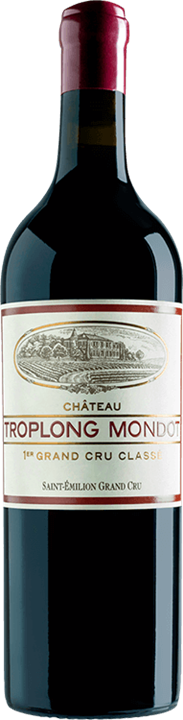
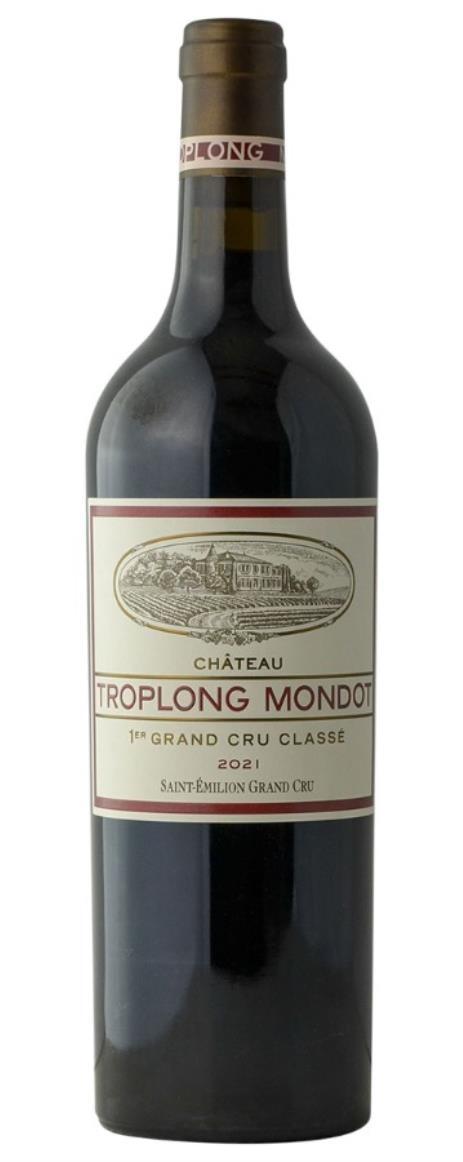
Château Troplong Mondot
 Saint-Émilion, Bordeaux, France
Founded in 1700 on the Saint-Émilion plateau, the estate was originally part of the de Sèze family holdings. Raymond Troplong, a lawyer and politician, purchased the property in 1850 and combined his name with the land to create the current title. The estate remained in the Valette family for several generations after its acquisition by Alexandre Valette in 1936. Christine Valette, who took over management in 1980, is credited with modernizing the property and elevating its status. In 2017, the French insurance group SCOR purchased the estate from the Valette family, appointing Aymeric de Gironde as the managing director to oversee its operations and winemaking direction.
The vineyard occupies 37 hectares at the highest point of the Saint-Émilion appellation, reaching an elevation of 110 meters. This location features a distinctive geological profile where thick layers of silty clay, known as Agenais molasses, cover the underlying asteries limestone. These deep clays provide significant water retention and nutrient exchange, which allows the vines to remain resilient during dry summer months. The vineyard is planted primarily with Merlot, supplemented by Cabernet Franc and Cabernet Sauvignon. Since 2017, the viticultural team has emphasized sustainable practices and the use of horses for soil work in parts of the vineyard. Winemaking under the current management has moved toward an earlier harvest and reduced use of new oak to emphasize freshness and precision.
The estate is officially classified as a Premier Grand Cru Classé B, a rank it achieved during the 2006 revision of the Saint-Émilion classification. Its primary wine, Château Troplong Mondot, is recognized for its concentration and power, qualities derived from the specific clay soils of the plateau. The property also produces a second wine named Mondot, which serves as an alternative expression of the terroir and is often made from specific limestone-heavy parcels. Historically known for a rich and opulent profile, the wines have recently evolved toward a more restrained and nuanced style under the leadership of Aymeric de Gironde. The estate remains a significant reference point for the Right Bank, combining a long history of traditional viticulture with modern technical precision.