Producer
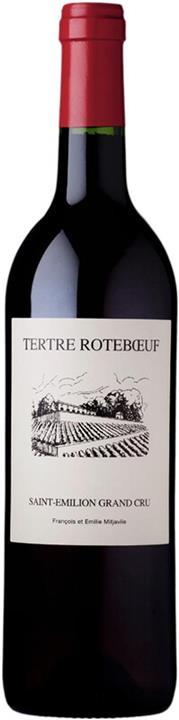
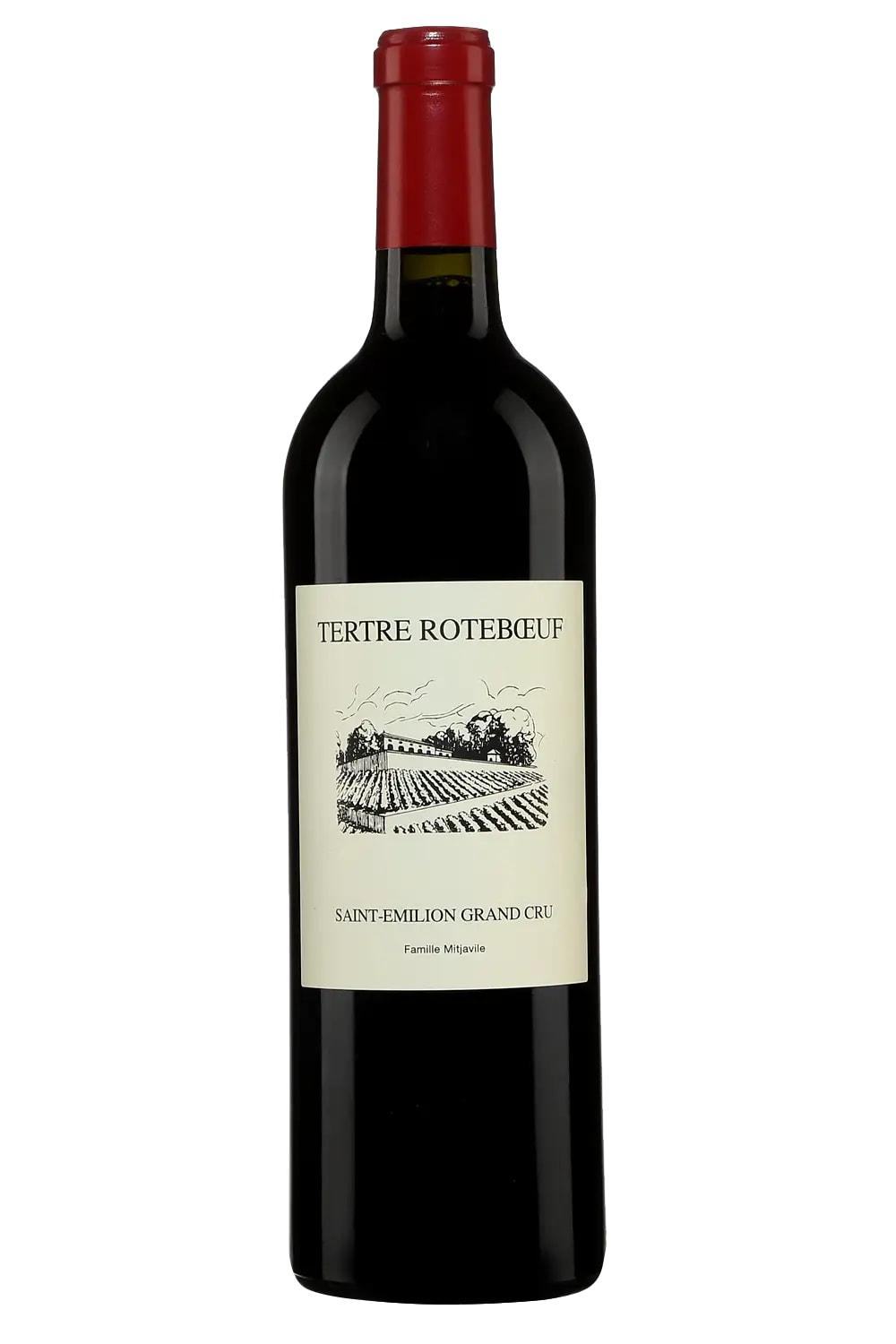
Château Tertre Roteboeuf
 Saint-Émilion Grand Cru, Bordeaux, France
The estate traces its history to 1731 when the first vineyard structures were built, though historical records indicate the land was acquired as early as 1675. For much of its history, the property was a modest farmhouse and vineyard known simply as Le Tertre. Its modern era began in 1978 when François Mitjavile assumed management of the estate through his marriage to Miloute Gilard. Before taking charge, Mitjavile spent two years as an apprentice at Château Figeac to develop his winemaking skills. Seeking to improve the quality of the production, he added the suffix Roteboeuf, which refers to the cattle that once worked the steep site, to distinguish the property from other estates in the region. The estate remains a family run business with François joined by his children, Louis and Nina.
The six hectare vineyard is situated on a south facing amphitheater of clay and limestone soil in the commune of Saint Laurent des Combes. The plantings consist of 80 percent Merlot and 20 percent Cabernet Franc with an average vine age of approximately 50 years. Mitjavile employs a specific viticultural technique where vines are pruned low to the ground using the cordon system. This method increases heat radiation from the soil, creating a microclimate that is slightly warmer than the surrounding area. The estate practices late harvesting to ensure maximum grape maturity, often finishing significantly after its neighbors. In the cellar, the grapes undergo fermentation in concrete tanks before maturing for 18 to 24 months in 100 percent new French oak barrels, predominantly from the Radoux cooperage.
Château Tertre Roteboeuf is recognized for producing one of the most distinctive wines in the Saint Émilion Grand Cru appellation. It has achieved a significant following among collectors and is often described as a cult producer because of its style and limited annual production of approximately 25,000 bottles. Despite its standing among critics, Mitjavile has consistently declined to participate in the official Saint Émilion classification system, preferring to maintain the estate's independence. This philosophy extends to its commercial strategy, as the winery bypasses the traditional Place de Bordeaux distribution system to sell directly to a selected group of international importers.