Producer
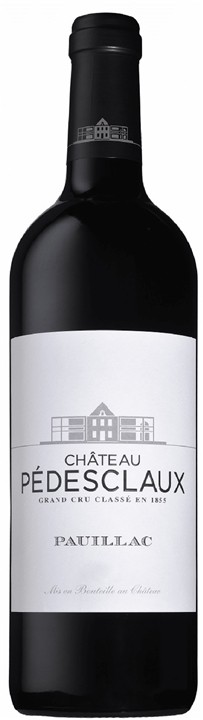
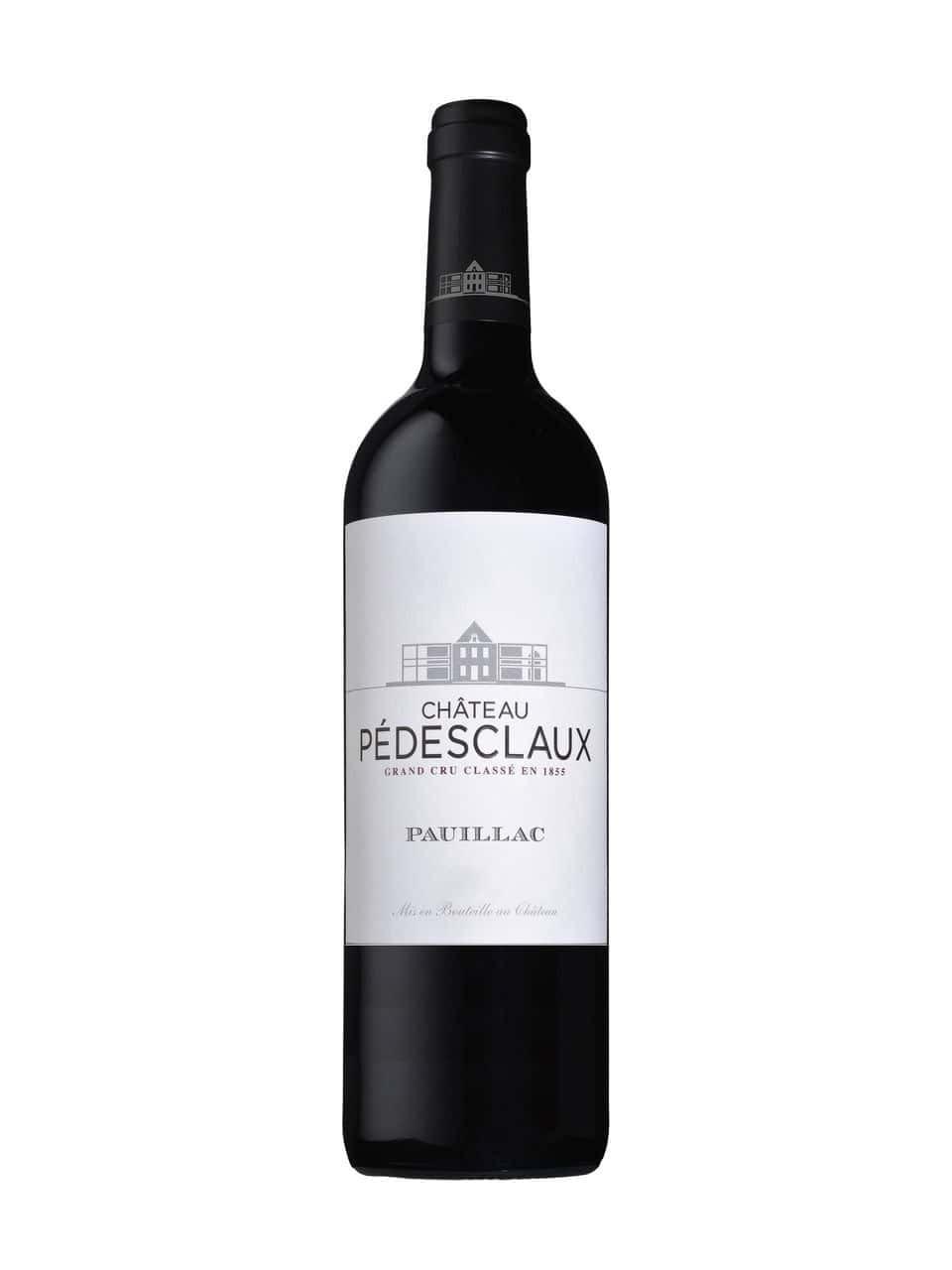
Château Pédesclaux
 Pauillac, Bordeaux, France
Château Pédesclaux was founded in 1810 by Pierre Urbain Pédesclaux, a wine broker who established the estate by purchasing vineyard plots from the Grand Puy property. The estate gained prominence in 1855 when it was designated a Fifth Growth in the Official Classification of Médoc wines. It remained in the Pédesclaux family until 1891, subsequently passing through various owners until Lucien Jugla purchased it in 1950. The Jugla family restored the vineyards following years of decline, eventually selling the property to Jacky Lorenzetti in 2009. Lorenzetti, a prominent businessman and sports team owner, initiated a transformative period for the estate, which included substantial investments in land and infrastructure.
The vineyard area has expanded significantly under current ownership, growing from 26 to approximately 52 hectares through the acquisition of neighboring parcels such as Château Haut-Milon and Château Béhèré. The estate is situated on classic Pauillac terroir characterized by Garonne gravel over a limestone subsoil. Viticultural practices shifted toward environmental sustainability after 2009, leading to full organic certification in 2022. The property also utilizes biodynamic farming for certain plots. Winemaking is conducted in a modernized, 100 percent gravity-fed cellar designed by Jean-Michel Wilmotte and completed in 2014. This facility uses double-tiered vats to avoid mechanical pumping, preserving the integrity of the fruit. In recent years, technical leadership transitioned to Christophe Congé, formerly of Château Lafite Rothschild.
The flagship wine of the estate is the eponymous Château Pédesclaux, a blend dominated by Cabernet Sauvignon and Merlot, with smaller portions of Cabernet Franc and Petit Verdot. Historically regarded as an underperformer among classified growths, the estate has experienced a significant increase in quality and critical recognition following the Lorenzetti purchase. The style is characterized by a balance of density and precision, moving away from its previous reputation for rustic tannins. The estate also produces Fleur de Pédesclaux, a second wine known for its high Merlot content and approachable floral aromatics. A third wine, La Rose de Pédesclaux, originates from holdings in the Haut-Médoc appellation. Today, the château is recognized as a modern reference for the Pauillac region.