Producer
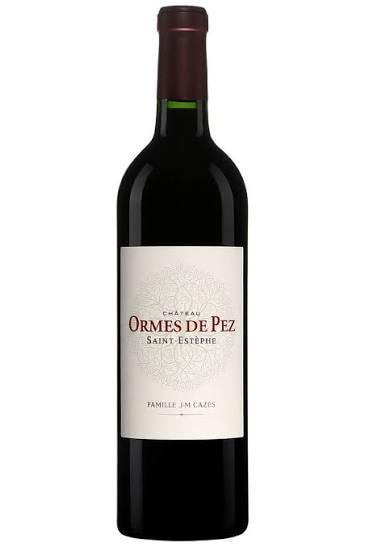
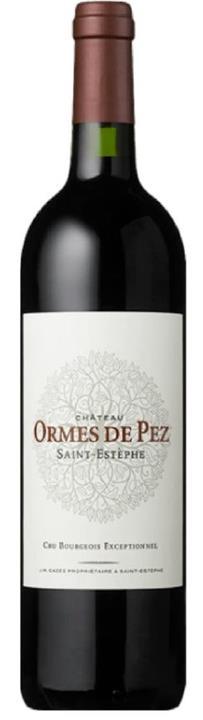
Château Ormes de Pez
 Saint-Estèphe, Bordeaux, France
Château Ormes de Pez has been a fixture of the Saint-Estèphe landscape since the 18th century. Its name is derived from the hamlet of Pez and a grove of elm trees that once grew on the grounds of the estate. The modern history of the property began in 1940 when it was purchased by Jean-Charles Cazes. At that time, the Cazes family already owned Château Lynch-Bages in the neighboring appellation of Pauillac. Ownership has remained within the family ever since, passing through the management of André Cazes and Jean-Michel Cazes to the current general director, Jean-Charles Cazes.
The estate covers 40 hectares of vineyards divided into two primary sections. One area is characterized by Garonne gravel soil which provides the drainage and heat retention necessary for ripening Cabernet Sauvignon. The second area consists of cooler sandy-clay soils where Merlot is the primary focus. In recent years, the technical team has restructured the vineyard to better align grape varieties with these specific soil types, resulting in an increased proportion of Merlot compared to historical plantings. Winemaking follows traditional Médoc methods, with hand-harvesting and fermentation in temperature-controlled stainless steel vats. The wines are typically aged for 16 months in French oak barrels, with approximately 45 percent new wood.
Château Ormes de Pez is recognized as one of the leading producers in the Cru Bourgeois classification system. In the 2020 official classification, it was ranked in the highest tier of Cru Bourgeois Exceptionnel. The estate is known for producing a single grand vin that reflects the robust structure and tannic depth typical of Saint-Estèphe. While it shares a technical team and winemaking philosophy with its sibling property Lynch-Bages, it maintains a distinct profile often described as both powerful and accessible. The wine is frequently cited for its consistency across vintages and its ability to develop for several decades in the cellar.