Producer
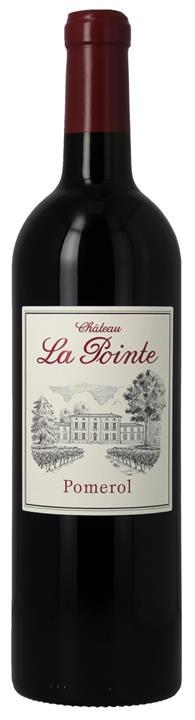
Château La Pointe
 Pomerol, Bordeaux, France
Château La Pointe dates to the mid nineteenth century and takes its name from the unusual triangular shape of its vineyard. The estate was one of the first in the Pomerol appellation to be legally permitted to use the title of château, a status documented in the 1868 edition of the Cocks et Féret guide. The property was owned by the d’Arfeuille family starting in 1941, who also managed Château La Serre in Saint Émilion. In 2007, the French insurance company Generali France purchased the estate, initiating a period of significant modernization and investment. Eric Monneret serves as the general manager and technical director, working with consulting oenologist Hubert de Boüard de Laforest.
The estate covers twenty three hectares, making it one of the largest properties in the Pomerol appellation. The vineyard sits on a diverse range of soils including gravel and pebbles from the Isle river terraces, clay gravel, and sandy soils over clay subsoils. Following the 2007 acquisition, the technical team removed all Cabernet Sauvignon vines to focus exclusively on Merlot and Cabernet Franc. Planting density ranges from 6,300 to 7,600 vines per hectare with an average vine age of thirty five years. Viticulture emphasizes lower yields and ecological responsibility through hand picking and double sorting. Winemaking includes parcel by parcel vinification in temperature controlled vats followed by twelve months of aging in French oak barrels, typically using fifty percent new wood.
The primary wine is the grand vin, Château La Pointe, which is supplemented by a second label called Pomerol de la Pointe. Historically, the estate was ranked alongside top properties like Beauregard and Clinet. The wines are recognized for an approachable and refined profile characterized by aromas of violet and wild berries alongside notes of sandalwood. Recent renovations to the vat room and cellar have allowed for greater precision in the selection process, improving the concentration and aging potential of the final blend. The property is frequently cited as offering high quality relative to its price within the often expensive Pomerol region.