Producer
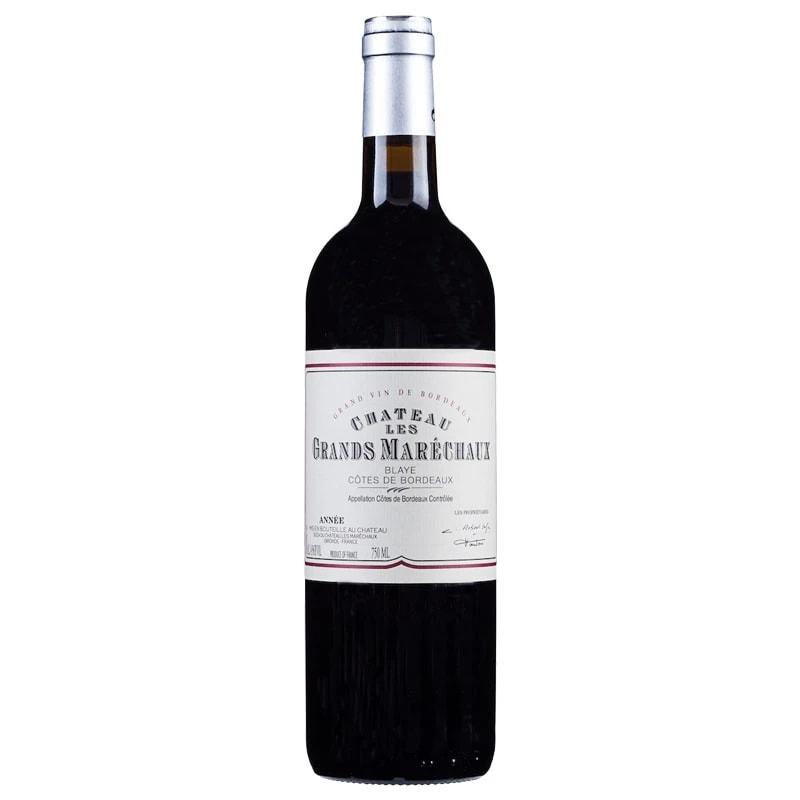
Château Les Grands Maréchaux
 Blaye Côtes de Bordeaux, Bordeaux, France
Christophe Reboul Salze and Etienne Barre purchased Château Les Grands Maréchaux in 1997. Located in the Saint Girons d'Aiguevives commune within the Blaye Côtes de Bordeaux appellation, the property is managed as part of a portfolio that includes Château Gigault and Château Belle Coline. Reboul Salze is a prominent figure in the Bordeaux wine trade, serving as a broker and the head of the negociant firm The Wine Merchant. The ownership group sought to apply the same technical standards used at more expensive Right Bank estates to these vineyards. This approach has helped elevate the profile of the Blaye region by demonstrating the quality potential of its clay and limestone soils.
The estate encompasses approximately 19 hectares of vineyards situated on a high plateau. The terroir consists of a mix of clay, limestone, and sand, which provides a suitable environment for Merlot, the dominant grape representing over 80 percent of the plantings. The remaining land is dedicated to Cabernet Franc and Cabernet Sauvignon. Under the guidance of consultant winemaker Stéphane Derenoncourt, the viticultural team maintains an average vine age of roughly 20 years and implements strict yield controls. The winemaking process involves whole berry fermentation in temperature controlled stainless steel tanks with a maceration period of approximately 30 days. Malolactic fermentation occurs in French oak barrels, and the wine is aged in oak for several months to integrate its structural components.
Château Les Grands Maréchaux is widely cited as a benchmark for value within the Côtes de Bordeaux, regularly receiving favorable reviews from international critics. The signature red wine is known for its aromatic profile of plum, blackberry, and subtle spice, with a texture defined by ripe tannins and balanced acidity. It is frequently highlighted by publications such as Wine Enthusiast and James Suckling for its consistency and its ability to reflect the characteristics of a Merlot heavy blend. While the wine is designed to be approachable in its youth, it possesses enough density and balance to develop further complexity over five to ten years of aging.