Producer
Château Duhart-Milon
 Pauillac, Bordeaux, France
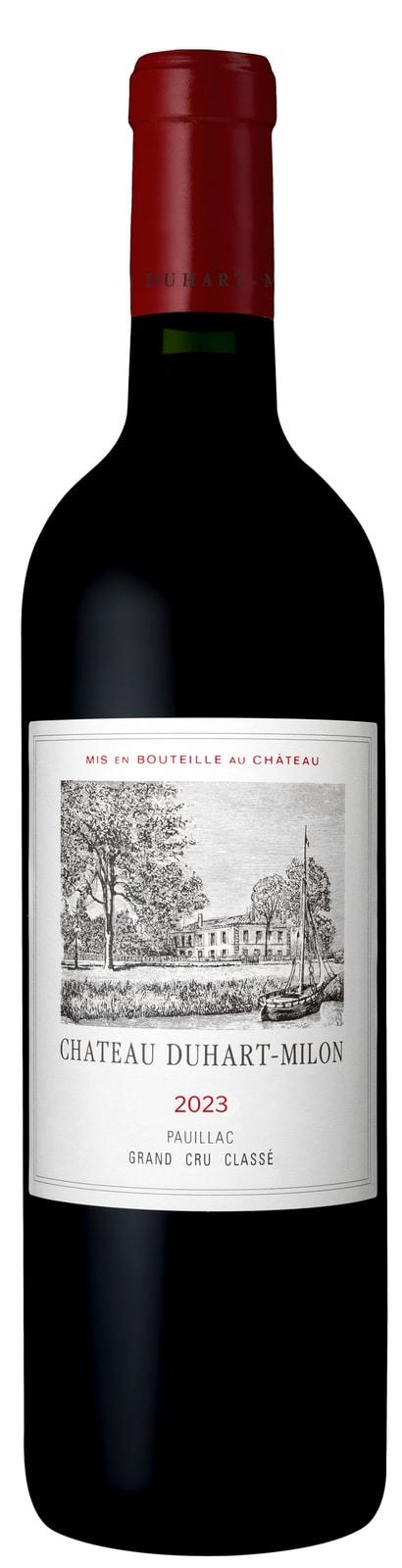
The history of the estate dates back to the early 18th century when the Milon vineyards provided grapes for the second wine of Château Lafite. According to local lore, the name Duhart refers to a pirate or corsair who retired in the port of Pauillac and whose house inspired the image on the wine label. The Castéja family owned the property from the 1830s until 1937, a period during which the vineyard was expanded and solidified as a significant Pauillac holding. Following a period of decline and multiple changes in ownership, the Rothschild family purchased the property in 1962, initiating a total replanting of the vineyards and modernizing the production facilities.
The vineyards cover 76 hectares on the Milon hillside, situated immediately to the west of the Carruades plateau of Château Lafite Rothschild. The soil consists of fine gravel mixed with aeolian sand over a limestone subsoil. Technical Director Eric Kohler oversees production, following the same standards and using the same team as the neighboring First Growth estate. The vineyard is planted with approximately 67 percent Cabernet Sauvignon and 33 percent Merlot. Fermentation takes place in stainless steel vats, and the wine is aged for 10 to 18 months in oak barrels produced at the DBR (Lafite) cooperage.
Château Duhart-Milon is best known as the only estate in the Pauillac appellation to be ranked as a Fourth Growth in the 1855 Bordeaux Classification. Its wines are often characterized by an earthy, deep profile with a firm structure, sometimes described by the owners as a more rugged counterpart to the elegance of Lafite. In addition to its Grand Vin, the estate produces a second wine named Moulin de Duhart, which typically contains a higher proportion of Merlot and is intended for earlier consumption. The property remains one of the few classified growths in Bordeaux without a central chateau building, operating instead from a facility in the town of Pauillac.