Producer
Château Brane-Cantenac
 Margaux, Bordeaux, France
The estate dates back to the early 17th century when it was known as Domaine Guilhem Hosten. It was later developed by the Gorce family and gained a high reputation for its wines before being purchased in 1833 by Baron Hector de Brane. The Baron, who had previously owned the land that became Château Mouton Rothschild, renamed the property Château Brane-Cantenac in 1838. Ownership shifted to the Lurton family in 1925 when Léonce Récapet and his son-in-law François Lurton acquired the property. Henri Lurton, the great-grandson of Récapet, took over management in 1992. In 2022, he transferred ownership to his children while continuing to lead the estate operations.
The vineyards cover 75 hectares and are situated on a series of gravel terraces within the Margaux appellation. The most significant portion of the estate is located on the Brane plateau, a site on the fourth terrace composed of deep Quaternary gravel reaching 22 meters above sea level. This specific terroir provides natural drainage and produces the structured fruit used for the grand vin. Plantings consist of approximately 77 percent Cabernet Sauvignon and 20 percent Merlot, with minor portions of Cabernet Franc, Petit Verdot, and Carménère. Winemaking involves precise micro-parcel management and technical innovations such as optical sorting and an air-based plunging system for skin extraction. Henri Lurton uses his background in oenology and biology to emphasize aromatic purity and sustainable vineyard practices.
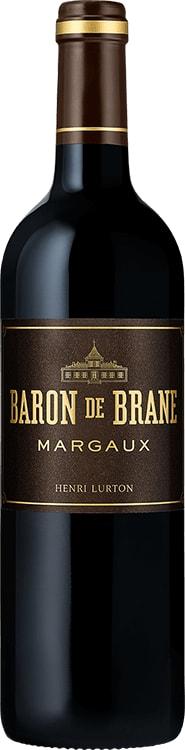
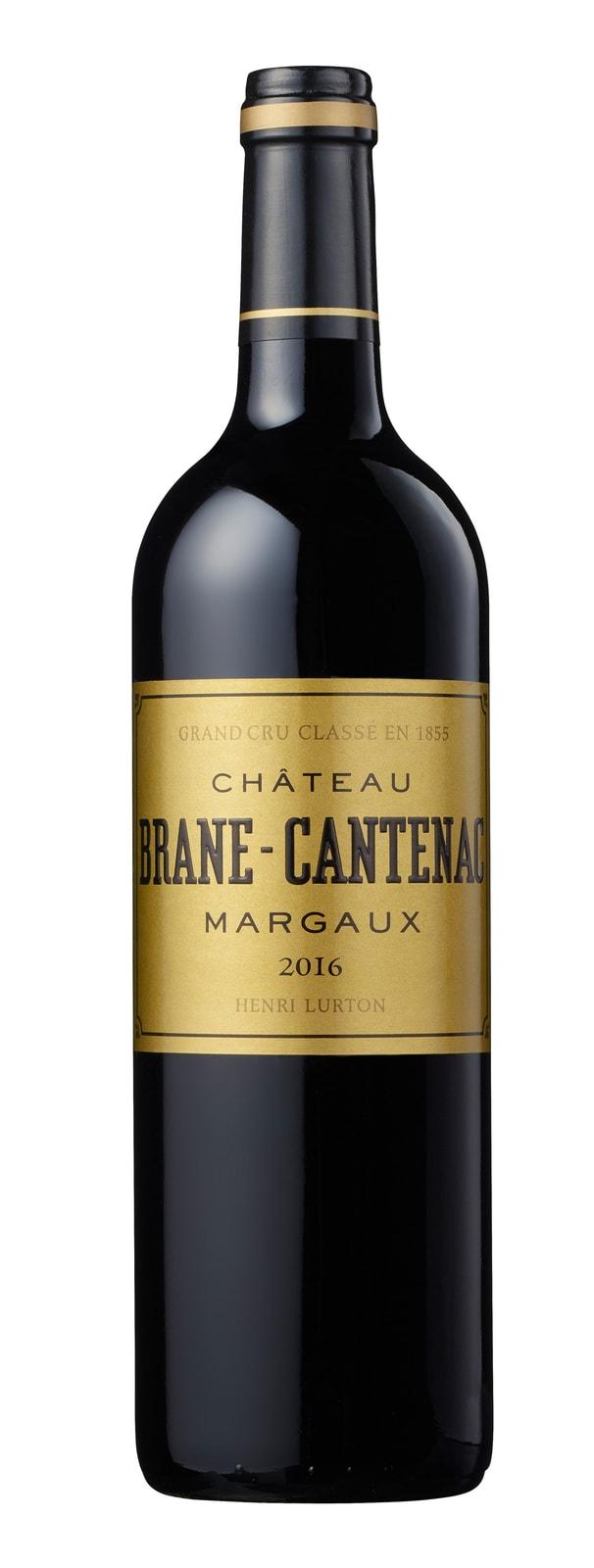
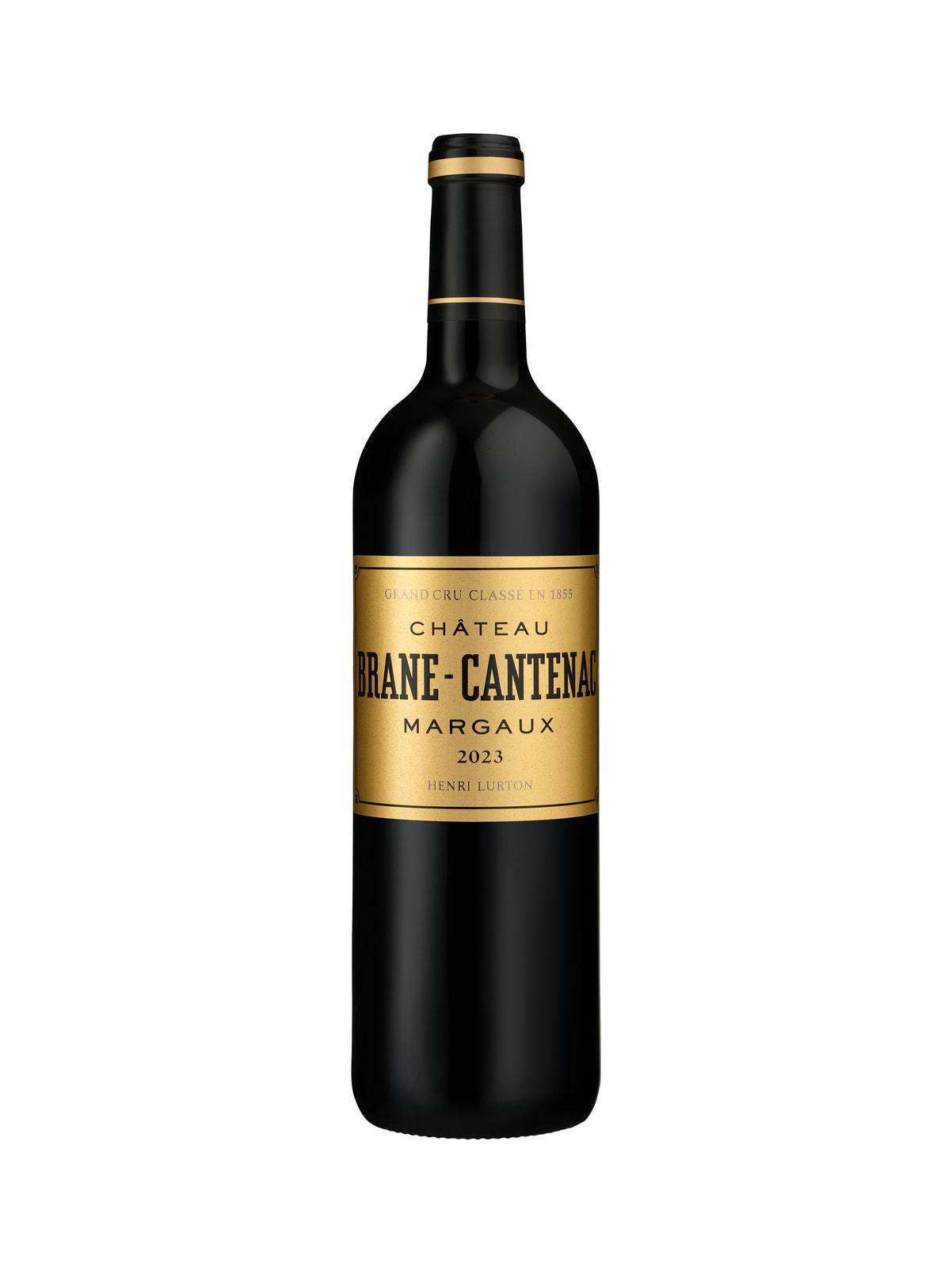
Château Brane-Cantenac was classified as a Second Growth in the 1855 Classification of Bordeaux. The estate is known for producing wines that emphasize elegance, aromatic intensity, and a classic Margaux character. Its primary wine is the namesake grand vin, while the second label, Baron de Brane, is produced from younger vines or specific terrace plots to offer a more accessible style. Other labels include Margaux de Brane and a dry white wine named Brane-Cantenac Blanc. The property maintains a reputation for consistency and has seen significant technical investment under Henri Lurton, leading to high acclaim for recent vintages. It remains one of the largest and most prominent Second Growth estates in the Margaux region.