Producer
Weingut Ernst Bretz
 Rheinhessen, Germany, Germany
Weingut Ernst Bretz is located in the municipality of Bechtolsheim and has a history dating back to 1721. The estate began as a mixed agricultural farm that produced wine for the Welschnonnen Monastery in Mainz. In 1907, the family expanded the winery and transitioned to bottled wine marketing, eventually abandoning general agriculture in 1931 to focus exclusively on viticulture. The estate has remained in family hands for ten generations. Horst and Harald Bretz, along with Horst's wife Heike, represent the ninth generation and have managed operations since 1987. Recently, the tenth generation has entered the business, with Victoria Bretz joining as a qualified oenologist in 2018 and her brother Valentin joining in 2024.
The estate manages 40 hectares of vineyards situated primarily on and around the Bechtolsheimer Petersberg, a prominent elevation in the otherwise flat Rheinhessen landscape. These sites feature soils composed of loess and loam with high limestone content and fossilized marine shells. Winemaking is divided between traditional and modern techniques, using stainless steel for fresh, fruit driven wines and large wooden barrels or tonneaux for reserve bottlings. Vineyard management emphasizes low yields through pruning and green harvesting, with a significant amount of manual labor used to maintain vine health. Harald Bretz oversees the vineyard work while Horst and Victoria lead the cellar operations.
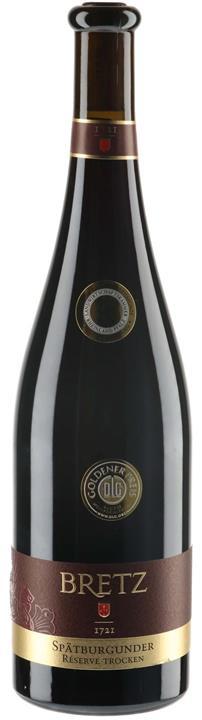
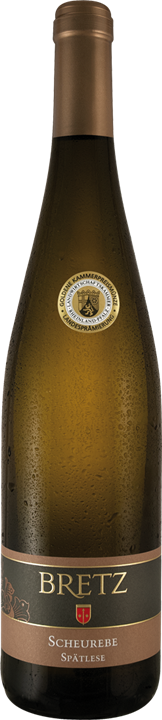
The producer is recognized for a broad portfolio that includes classic German varieties like Riesling and Silvaner alongside an increasing focus on international grapes such as Sauvignon Blanc and Chardonnay. They are particularly noted for their Burgundy varieties and noble sweet wines, including Eiswein, which they export to international markets. The winery has received numerous accolades, including the DLG Winegrower of the Year award for 2013 and multiple state honorary prizes from the Rhineland Palatinate chamber of agriculture. Their facilities include a modern vinothek housed in a converted historical cross vault building, reflecting their position as a significant producer in the Rheinhessen region.