Producer
Terredora Di Paolo
 Fiano di Avellino, Campania, Italy
Terredora Di Paolo was established in 1994 by Walter Mastroberardino and his children, Daniela, Lucio, and Paolo. The project followed a 1993 division of the Mastroberardino family business, which was one of the oldest wine estates in Campania. During the split, Walter secured the family's historic vineyard holdings to form a new enterprise named after his wife, Dora Di Paolo. Based in the Irpinia subregion, the family focused on the recovery of native grapes that have been cultivated in the area since antiquity. Following the death of Lucio Mastroberardino in 2013, the remaining family members have continued to lead the operation.
The estate manages approximately 180 hectares of vineyards across several primary sites, including Montefalcione, Lapio, and Montemiletto. These vineyards are located at elevations between 400 and 650 meters above sea level on hillsides featuring volcanic soils rich in limestone and clay. The inland climate of Irpinia provides significant thermal fluctuations between day and night, which helps the grapes retain acidity and develop complex aromatic profiles. Viticultural practices emphasize manual labor and the use of Guyot training systems. The winemaking philosophy centers on minimal intervention to allow the specific characteristics of the volcanic terroir to reach the finished wine.
The winery is recognized for its commitment to indigenous Campanian varieties, specifically Fiano, Greco, Falanghina, and Aglianico. The product range is divided into various collections, including the CampoRe single vineyard labels and the Ex Cinere Resurgo Fiano di Avellino. These wines are often noted for their mineral intensity and their ability to age for many years in the bottle. The late Lucio Mastroberardino earned significant professional acclaim when he was nominated for white wine maker of the year at the International Wine Challenge in 2006. Today, Terredora Di Paolo is one of the largest vineyard owners in Southern Italy and a primary exporter of the Irpinian style.
Wines from Terredora Di Paolo
6 wines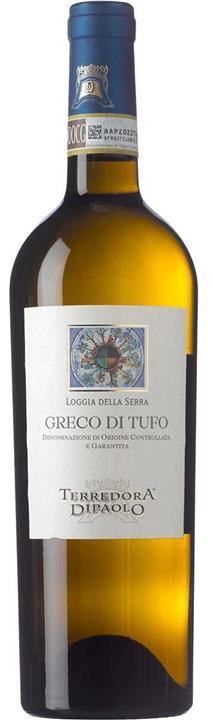 Campania (Greco di Tufo)
Terradora di Paolo Greco di Tufo
Terradora di Paolo · NV
Greco
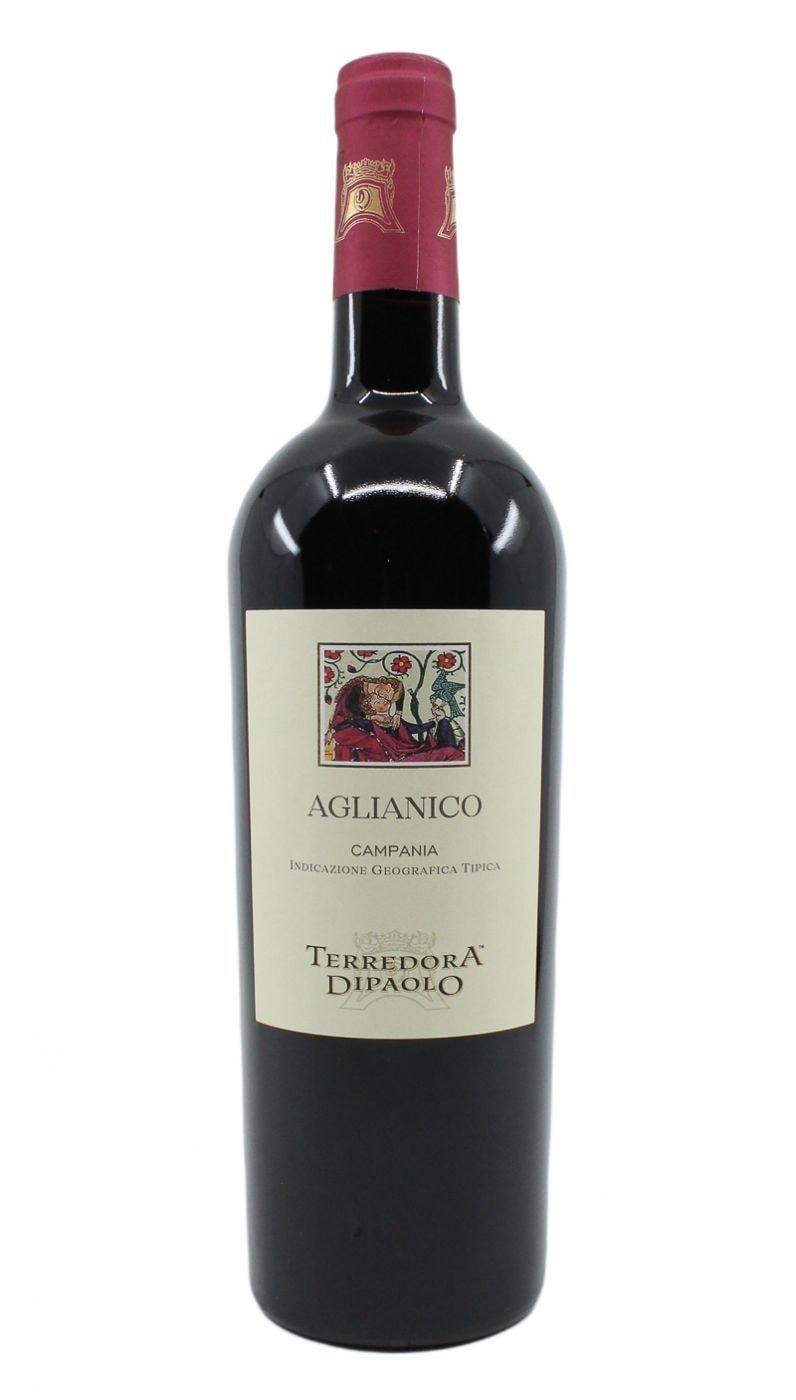 Campania (Irpinia)
Terredora di Paolo Aglianico Campania
Terredora di Paolo · NV
Aglianico
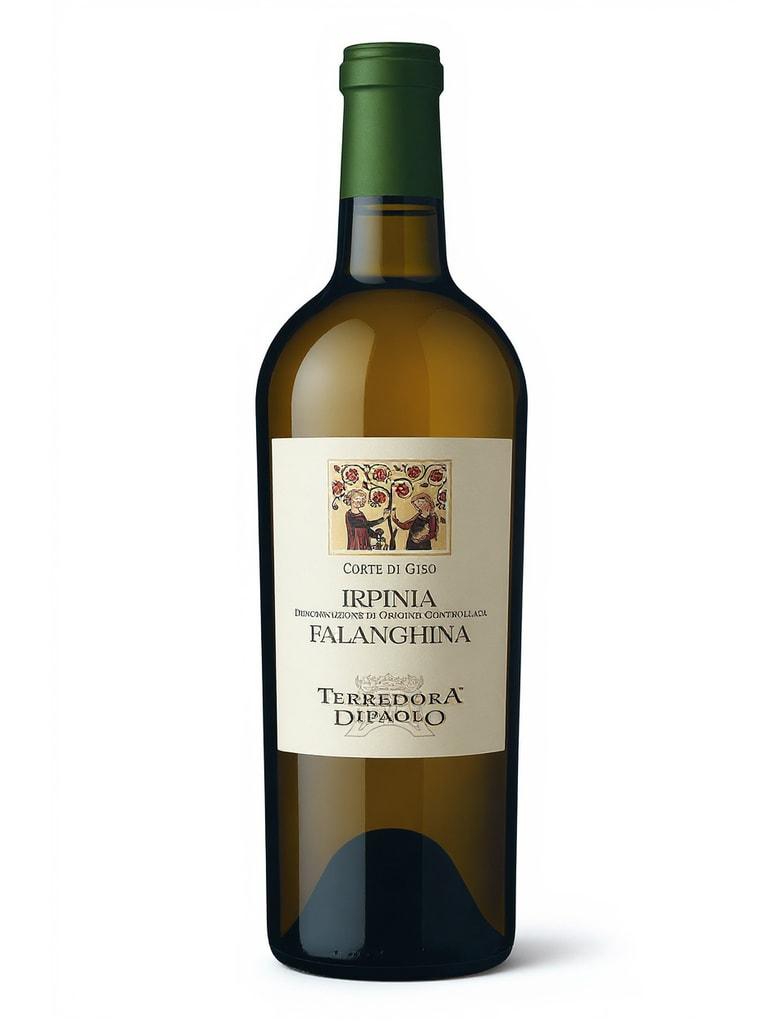 Campania (Irpinia)
Terredora di Paolo Falanghina Irpinia 'Giso'
Terredora di Paolo · NV
Falanghina
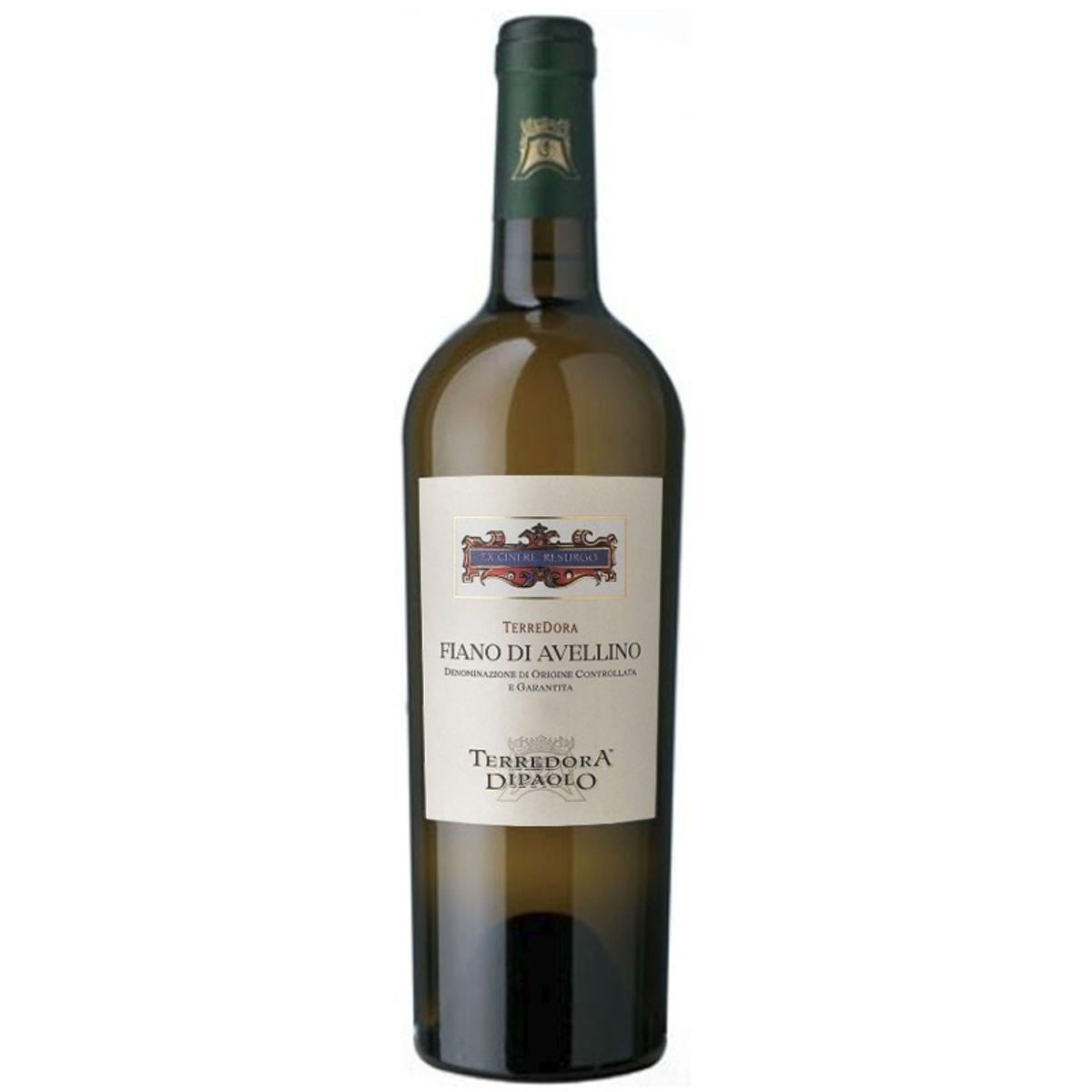 Campania (Fiano di Avellino)
Terredora di Paolo Fiano di Avellino
Terredora di Paolo · NV
Fiano
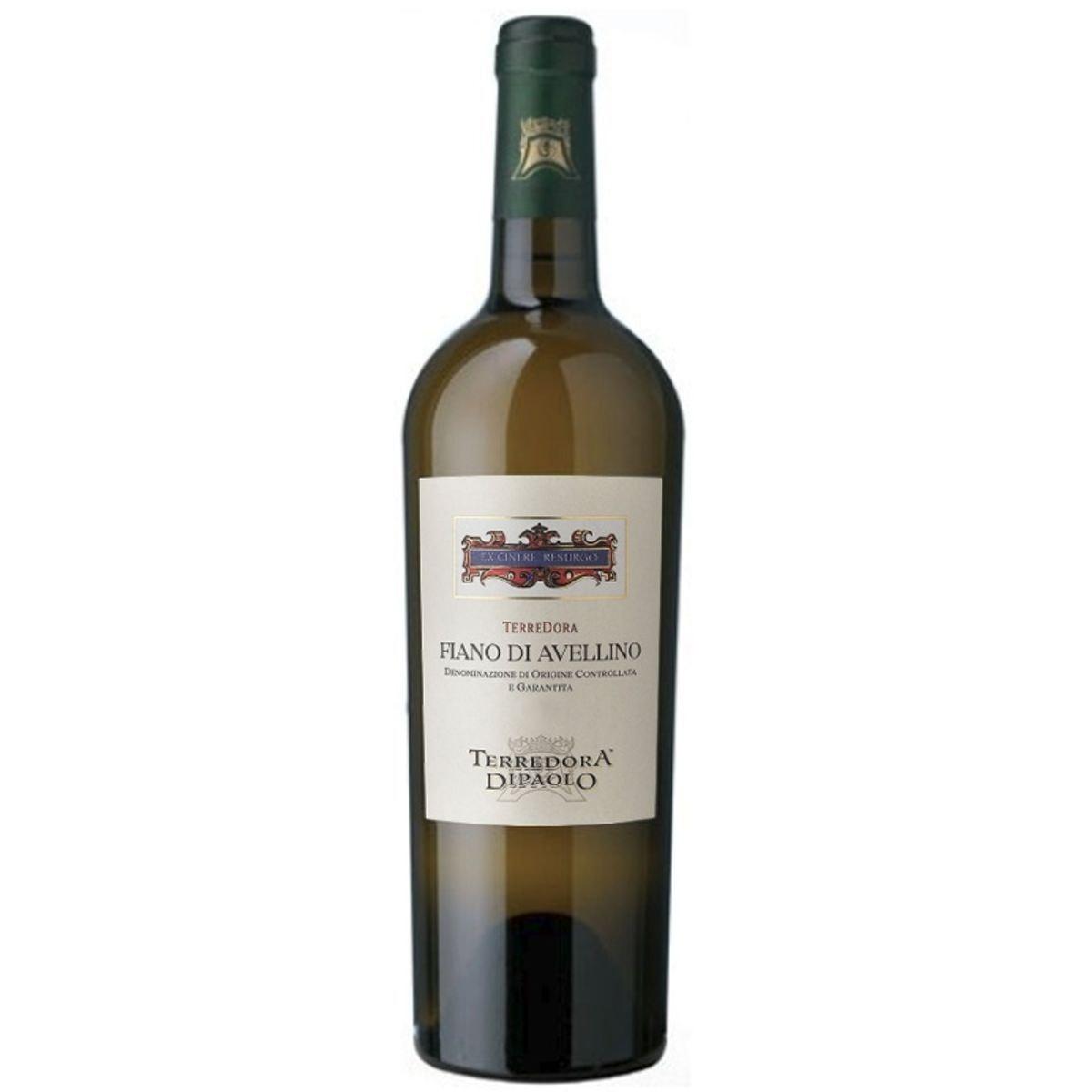 Campania (Fiano di Avellino)
Terredora Dipaolo Fiano di Avellino Risurgo
Terredora Dipaolo · NV
Fiano
 Campania (Taurasi)
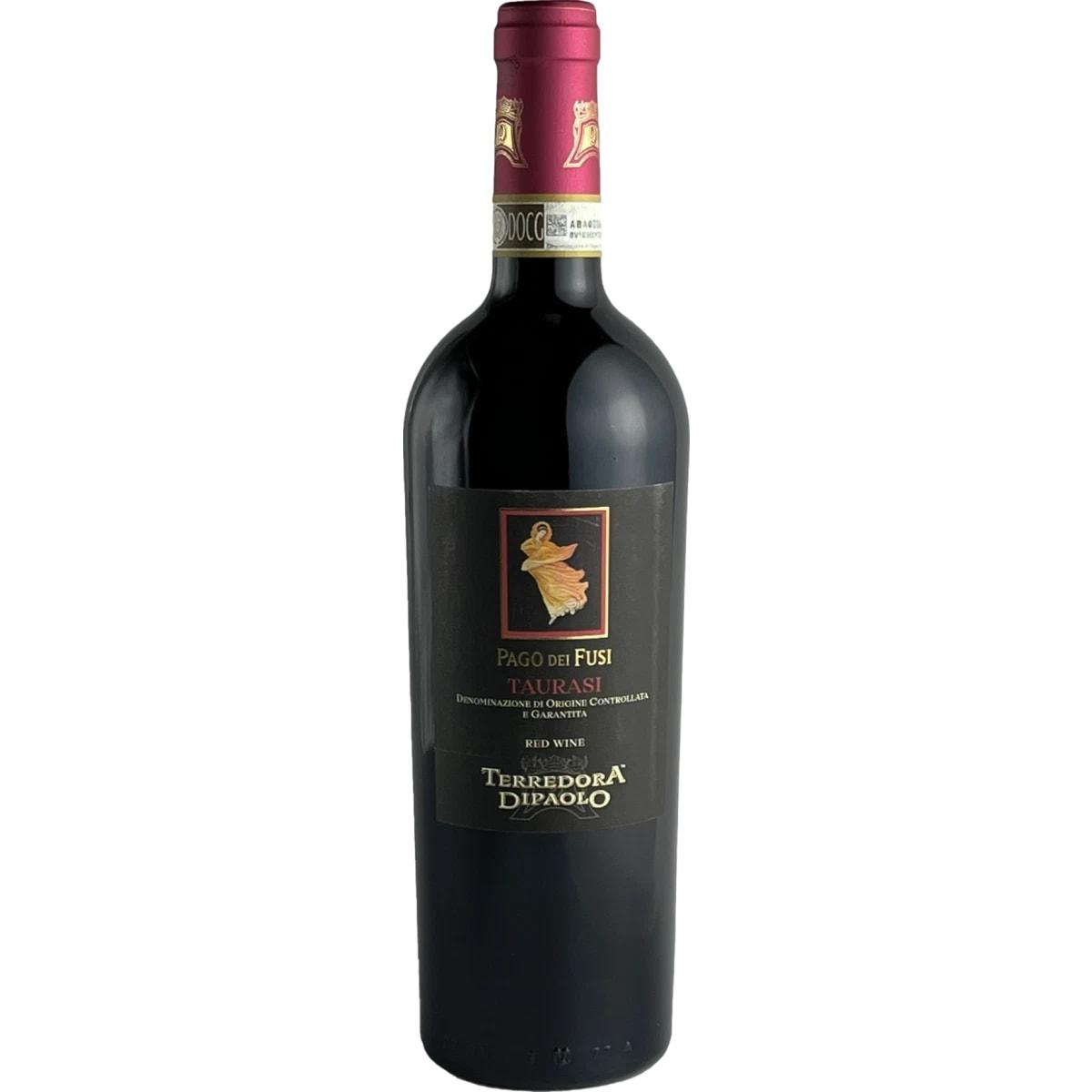
Terredora di Paolo Pago dei Fusi Taurasi
Terredora di Paolo · 2015
Aglianico