Producer
Tenuta di Fiorano
 Roma, Lazio, Italy
Prince Alberico Boncompagni Ludovisi, the Prince of Venosa, established the modern viticultural identity of Tenuta di Fiorano in 1946. He was an early adopter of organic farming and international grape varieties in the Lazio region. In the late 1990s, the Prince ceased production and uprooted nearly all the vineyards, leaving the future of the estate in doubt for several years. His cousin, Prince Alessandrojacopo Boncompagni Ludovisi, took over the management of the property and replanted the vineyards using clones and training systems selected under Alberico's direct supervision. The estate remains in the hands of the Boncompagni Ludovisi family, which maintains the historic cellars and the original winemaking philosophy established by the founder.
The vineyards are situated along the ancient Via Appia Antica on the outskirts of Rome. The terroir is defined by volcanic soils rich in pozzolana, a type of volcanic ash that contributes to the mineral character of the wines. Farming is strictly organic, avoiding synthetic chemicals in the vineyard to maintain soil health. For the white wines, the current production focuses on Grechetto and Viognier, while the reds are a blend of Cabernet Sauvignon and Merlot. Winemaking occurs in the historic underground cellars where the wines age in large, old Slavonian oak barrels. This process favors slow oxygenation and long-term stability, allowing the wines to develop complexity over several years before they are released to the market.
Tenuta di Fiorano is best known for its flagship labels, Fiorano Rosso and Fiorano Bianco, which are recognized for their significant aging potential. The estate also produces the Fioranello line as a more accessible counterpart to the main bottlings. Historically, the winery gained attention during the mid 20th century through the advocacy of critics such as Luigi Veronelli, who praised the wines for their structure and depth. The producer occupies a distinct position in the Italian wine landscape as a preserver of traditional, small-scale production in an area often associated with more commercial output. Its reputation is built on the longevity of its red blends and the distinctive mineral profile derived from its volcanic site.
Wines from Tenuta di Fiorano
4 wines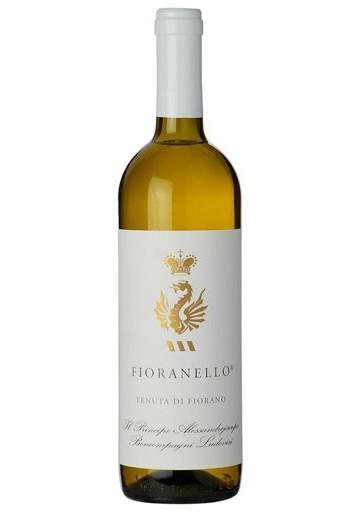 Lazio (Roma DOC)
Fioranello Bianco
Tenuta di Fiorano · NV
White Blend
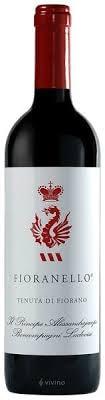 Lazio (Roma DOC)
Fioranello Rosso
Tenuta di Fiorano · NV
Red Blend
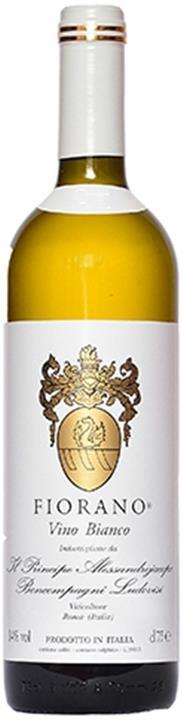 Lazio (Vino Bianco)
Tenuta di Fiorano Fiorano Bianco
Tenuta di Fiorano · NV
White Blend
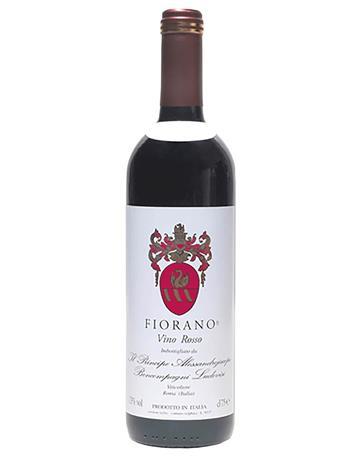 Lazio
LazioTenuta di Fiorano Fiorano Rosso
Tenuta di Fiorano · NV
Red Blend