Producer
Relic Wine Cellars
 Mount Veeder, Napa Valley, Usa
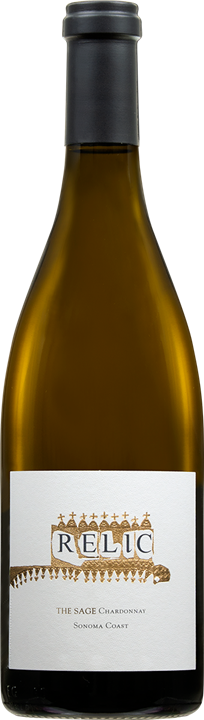
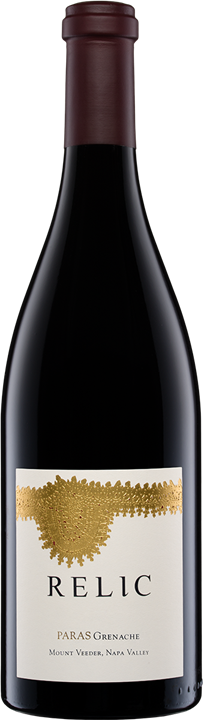
Relic Wine Cellars was founded in 2001 by the husband and wife team of Michael Hirby and Schatzi Throckmorton. The couple met in 2000 while working at Behrens and Hitchcock Winery, where Hirby served as the assistant winemaker and Throckmorton managed the business office. Their first release consisted of only three barrels of Pinot Noir, produced while they were still employees at Behrens. Hirby, who holds a degree in philosophy and previously worked as a sommelier in Colorado, transitioned to full time winemaking for his own label and other boutique projects after a stint as the founding winemaker for Realm Cellars. The estate remains family owned and operated, with Throckmorton serving as general manager.
The winery and underground cave facility are located on Soda Canyon Road in Napa, though the producer sources fruit from a diverse range of high elevation and coastal vineyards. These include sites in Mount Veeder, Calistoga, Oakville, and the Sonoma Coast. Winemaking at Relic focuses on traditional and historic techniques that emphasize site specific character. These methods include indigenous yeast fermentations, whole cluster inclusions for red varieties, and foot stomping of the grapes. The wines are typically aged on their lees for extended periods with minimal racking to maintain texture and aromatic complexity. No water or acid additions are used during the process, as the owners prioritize a hands on, non-industrial approach to production.
Relic is known for producing small lot wines with an annual production of approximately 2,500 cases. Its portfolio is led by the Artefact Cabernet Sauvignon, which is often sourced from rocky sites in the northern Napa Valley. Other core cuvees include the Scarpa Syrah, the Ritual Rhone style red blend, and the Kashaya Pinot Noir from the Sonoma Coast. The winery has earned a reputation for technical precision and has maintained a small scale business model to ensure direct control over every barrel. While the winery itself is situated on the eastern side of the valley, its historical association with Mount Veeder fruit and other hillside appellations defines its stylistic identity as a producer of concentrated, structured wines.