Producer
Raventós i Blanc
 Conca del Riu Anoia, Catalonia, Spain
The Raventós family has documented winegrowing roots at their estate in Sant Sadurní d'Anoia dating back to 1497. Josep Raventós Fatjó, an ancestor, produced Spain's first traditional method sparkling wine in 1872 after visiting the Champagne region. In 1982, Josep Maria Raventós i Blanc left his position as the head of Codorníu following a family disagreement, retaining the original 90 hectare family estate. He founded the modern Raventós i Blanc winery in 1986 with his son Manuel to focus on high quality estate production. Today, the twenty-first generation is represented by Pepe Raventós, who manages the estate as proprietor and winemaker.
The estate covers 90 hectares of vineyards, woodlands, and a lake, divided into 44 distinct plots with varied microclimates. The terroir is characterized by calcareous soils containing marine fossils from the Miocene period, particularly in plots like El Llac and La Barbera, which contribute a saline profile to the wines. Viticulture is conducted according to biodynamic standards, and the winery has reintegrated animal traction using horses to manage the soil without heavy machinery. Production focuses exclusively on native grape varieties, including Macabeo, Xarel-lo, and Parellada. The family has systematically removed international varieties like Chardonnay and Pinot Noir to ensure the wines reflect the local Mediterranean environment and the specific geology of the Anoia River Valley.
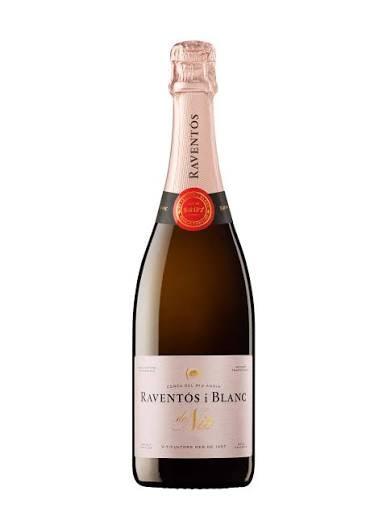
In November 2012, the winery withdrew from the Cava DO to champion a new, more rigorous designation called Conca del Riu Anoia. This self-imposed classification requires 100 percent organic or biodynamic farming, the use of native grapes, and a minimum of 18 months of lees aging for all sparkling wines. Signature labels include the Blanc de Blancs, a mineral-driven blend that often includes a small portion of Malvasía de Sitges, and the De Nit rosé, which uses Monastrell to achieve its pale color. The portfolio also includes limited editions such as the Manuel Raventós Negra and Textures de Pedra, a blanc de noirs made from Xarel-lo Vermell, Sumoll, and Bastard Negre. These wines are recognized for their distinct saline minerality and strict production standards that position the producer as a specialist in terroir-focused sparkling wine.