Producer
Pianirossi
 Maremma Toscana, Tuscany, Italy
Stefano Sincini, a fashion industry executive, founded the estate in 1999 after discovering a property in the Maremma region during his years as a student in Siena. Sincini sought to establish a winery that reflected his personal passion for the Tuscan landscape and heritage. His family background in the Marche region significantly influenced the early development of the vineyards, leading to the decision to plant Montepulciano vines alongside traditional Tuscan varieties. The estate remains under Sincini's ownership and has been developed with a focus on sustainability, utilizing bio-building techniques and solar energy to achieve energy independence. Today, the property operates as both a winery and a hospitality destination featuring a boutique hotel.
The estate encompasses 25 hectares of land in Località Porrona, within the commune of Cinigiano, with 14 hectares dedicated to vineyards. These sites sit at an elevation of approximately 200 meters on south and southwest facing slopes with medium mixture soils. Viticulture follows organic practices, and all vineyard work, including pruning and harvesting, is performed entirely by hand. Management focuses on using specific clones and modern vine training techniques to maximize the potential of the terroir. Winemaking was initially established under the guidance of consultant Carlo Ferrini and is currently led by winemaker Julien Viaud. The cellar utilizes French oak tonneaux for aging, with a philosophy that balances traditional manual labor with modern vinification technology.
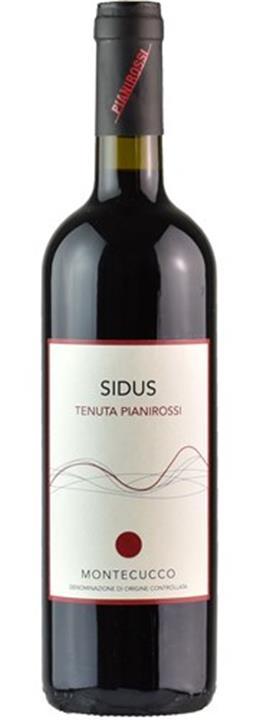
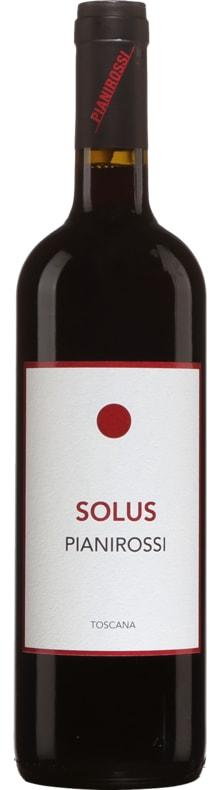
Pianirossi is best known for its eponymous flagship red, a blend typically composed of Petit Verdot, Montepulciano, and Cabernet Sauvignon. This wine is recognized for its depth and aging potential, frequently characterized by aromas of blackberry, strawberry, spices, and balsamic notes. Other primary labels in the portfolio include Solus, a Maremma Toscana IGT blend, and Sidus, which falls under the Montecucco DOC and highlights the Sangiovese grape. The winery also produces a Vermentino called Noctua and a rosato known as Sabine. The producer has earned a reputation for its technical precision and for the unique inclusion of Montepulciano in its blends, which distinguishes its wines from the standard Sangiovese-based offerings of the surrounding region.