Producer
Philipponnat
 Mareuil-sur-Aÿ, Champagne, France
The Philipponnat family records in the Champagne region date back to 1522, when Apvril le Philipponnat owned vineyards in Le Léon, situated between Ay and Dizy. For centuries, the family operated as growers and merchants, acting as suppliers to the court of Louis XIV. The contemporary house was formally established in 1910 by Pierre Philipponnat, who relocated the business to its current site in Mareuil-sur-Aÿ and acquired 18th-century cellars carved into the chalk. A significant expansion occurred in 1935 when the house purchased the Clos des Goisses vineyard. Since 1997, Philipponnat has been a member of the Lanson-BCC group, though it maintains family leadership with Charles Philipponnat serving as the director since 2000.
The estate manages 20 hectares of vineyards across the Premier and Grand Cru communes of Mareuil-sur-Aÿ, Ay, and Avenay-Val-d'Or. Its most notable holding is the Clos des Goisses, a 5.5-hectare walled plot characterized by a steep 45-degree slope and a strictly southern exposure over pure chalk soil. Under the direction of winemaker Thierry Garnier, the production process emphasizes Pinot Noir as the dominant grape. A defining technical feature is the perpetual reserve system, a solera-style method established in 1946 where reserve wines are aged in large oak barrels and partially refreshed each year. The house often avoids malolactic fermentation for its vintage wines to preserve acidity and uses low dosage to highlight the mineral character of the fruit.
Philipponnat is recognized for its structured and vinous style, frequently described as gastronomic due to its weight and longevity. Its most famous wine is the Clos des Goisses, which is regarded as the first single-vineyard Champagne produced in the region. Other major labels include the Royale Réserve, which was recently renamed Réserve Perpétuelle to reflect its solera-based composition, and the Cuvée 1522, a vintage blend commemorating the family's historical roots. The house was a pioneer in transparency, being one of the first to include disgorgement dates and technical composition details on its labels. This commitment to precision has established its reputation among collectors for consistency and terroir-driven expressions.
Wines from Philipponnat
16 wines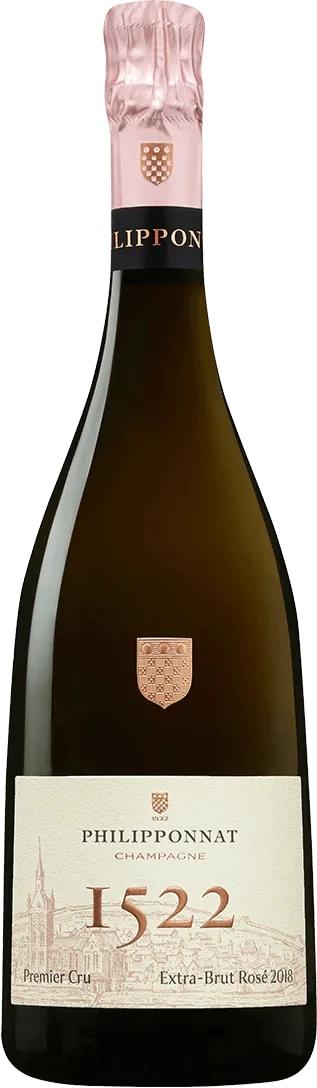 Champagne (Mareuil-sur-Aÿ)
Philipponnat 1522 Cuvée Rosé
Philipponnat · 2015
Sparkling Blend
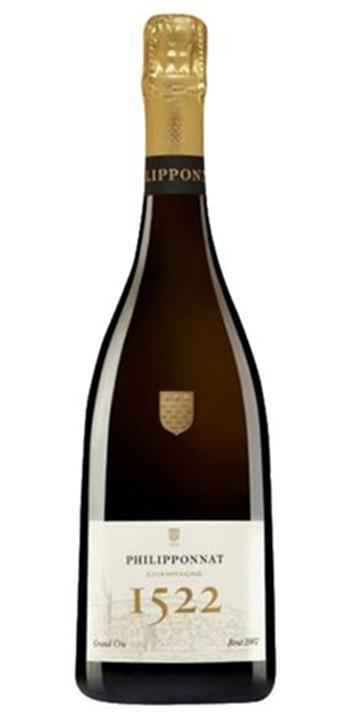 Champagne (Ay)
Philipponnat '1522' Premier Cru
Philipponnat · 2018
Sparkling Blend
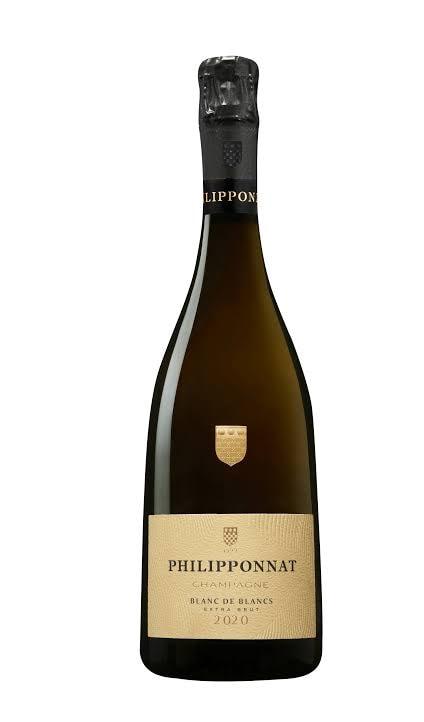 Champagne (Mareuil-sur-Aÿ)
Philipponnat Blanc de Blancs
Philipponnat · 2018
Chardonnay
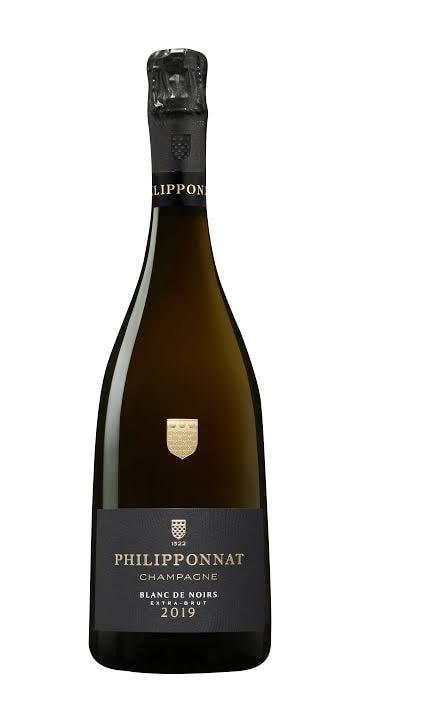 Champagne (Montagne de Reims)
Philipponnat Blanc de Noirs
Philipponnat · 2019
Pinot Noir
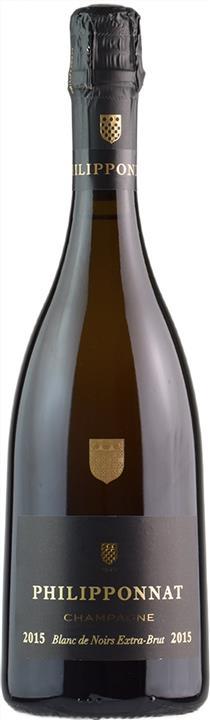 Champagne (Mareuil-sur-Aÿ)
Philipponnat Blanc de Noirs
Philipponnat · 2018
Pinot Noir
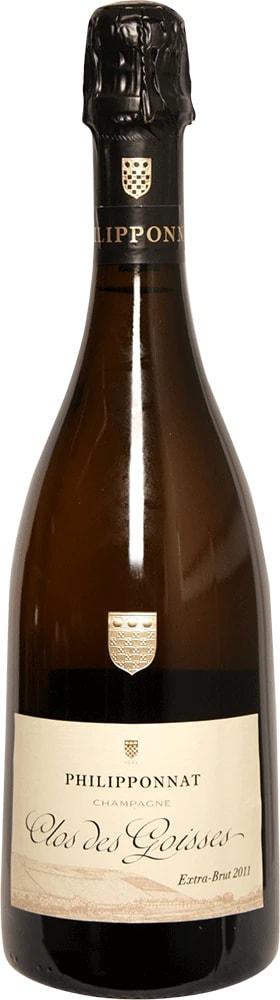 Champagne (Mareuil-sur-Ay)
Philipponnat Clos des Goisses Brut
Philipponnat · 2016
Sparkling Blend
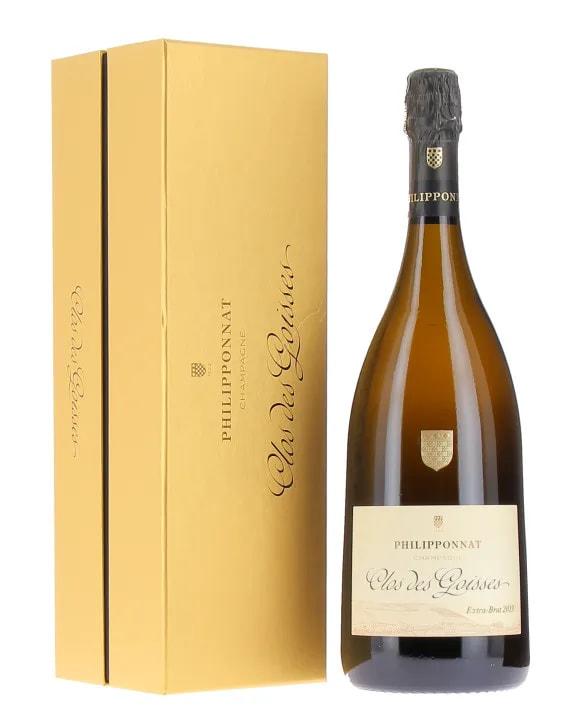 Champagne (Mareuil-sur-Aÿ)
Philipponnat Clos des Goisses Brut Double Magnum
Philipponnat · 2015
Sparkling Blend
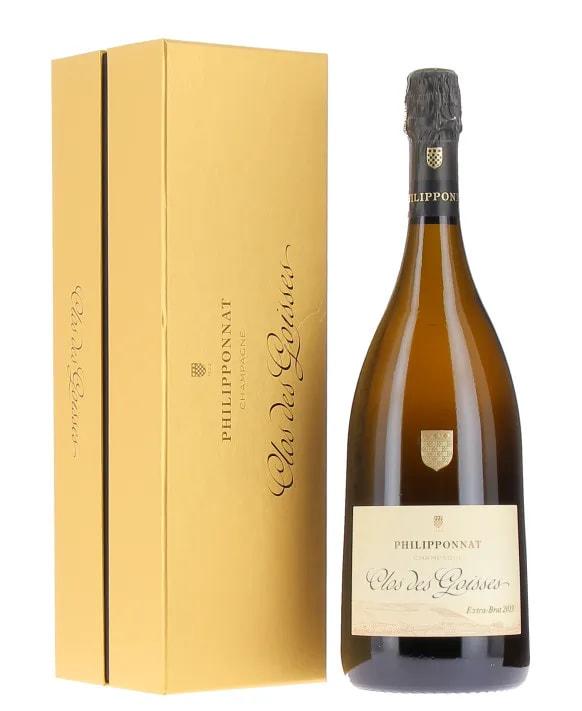 Champagne (Mareuil-sur-Ay)
Philipponnat Clos des Goisses Magnum
Philipponnat · 2015
Sparkling Blend
 Champagne (Mareuil-sur-Aÿ)
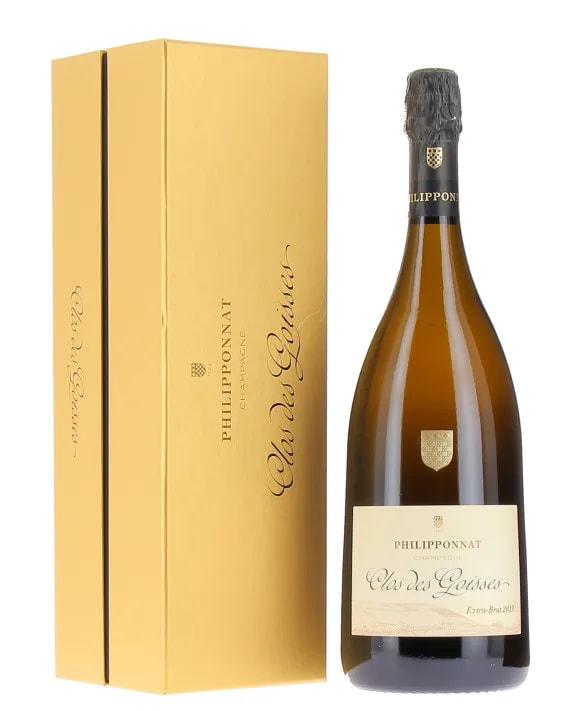
Philipponnat Clos des Goisses Magnum
Champagne Philipponnat · 2016
Sparkling Blend
 Champagne (Mareuil-sur-Aÿ)
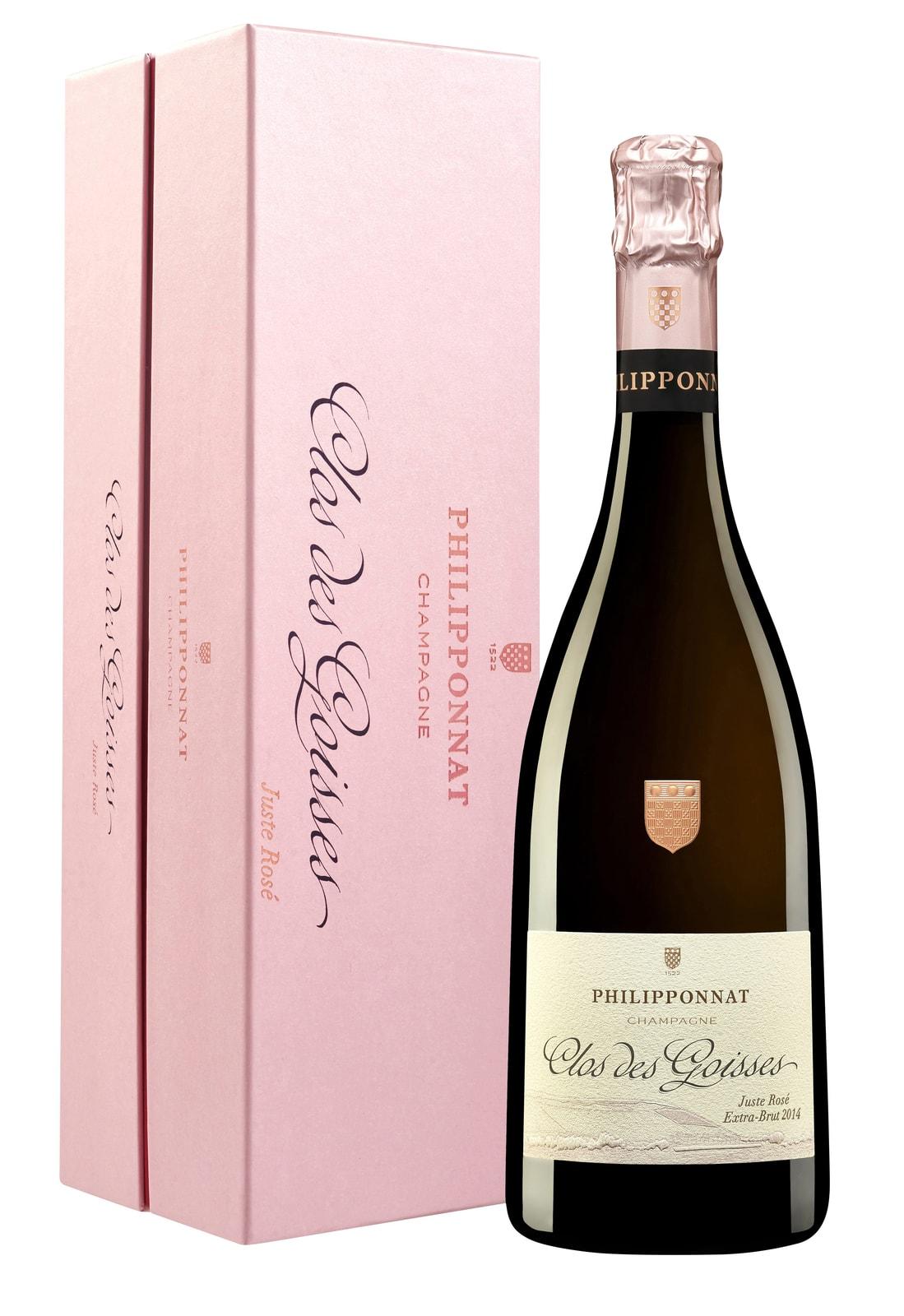
Philipponnat Clos des Goisses Rosé
Philipponnat · 2015
Sparkling Blend
 Champagne (Mareuil-sur-Aÿ)
Philipponnat La Remissonne Extra Brut
Philipponnat · 2015
Pinot Noir
 Champagne (Mareuil-sur-Ay)
Philipponnat Non-Dosé Royale Réserve
Philipponnat · NV
Sparkling Blend
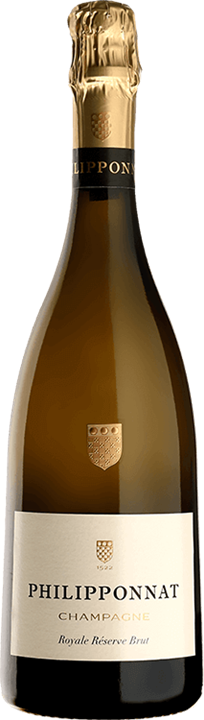 Champagne (Mareuil-sur-Aÿ)
Philipponnat Royale Réserve Brut
Philipponnat · NV
Sparkling Blend
 Champagne (Mareuil-sur-Ay)
Philipponnat Royale Réserve Brut 375ml
Philipponnat · NV
Sparkling Blend
 Champagne (Mareuil-sur-Aÿ)
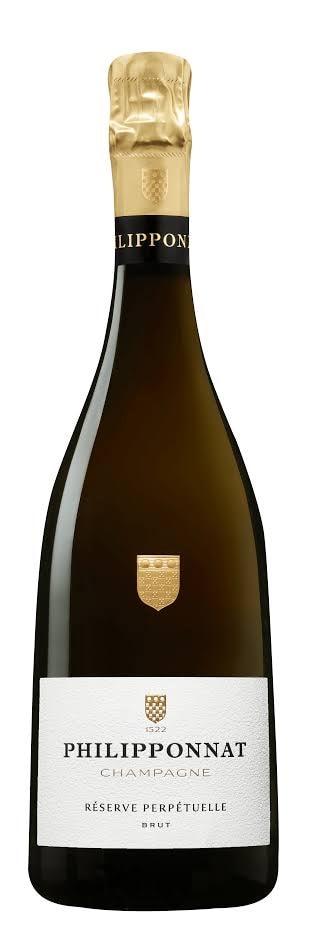
Philipponnat Royale Réserve Perpétuelle
Champagne Philipponnat · NV
Sparkling Blend
 Champagne (Mareuil-sur-Aÿ)
Philipponnat Clos des Goisses
Philipponnat · 2015
Sparkling Blend