Producer
Paitin di Pasquero-Elia
 Barbaresco, Piedmont, Italy
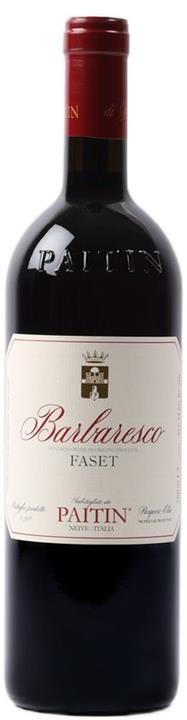
Paitin di Pasquero-Elia was established in 1796 when Benedetto Elia purchased a farmhouse and vineyards in Neive from Luigi Pelissero. The Elia family were originally private bankers, but they transitioned into dedicated viticulture and produced their first Barbaresco Riserva from the Sorì Paitin plot in 1893. Commercial exports began shortly after in 1898. The estate faced a period of inactivity during the World Wars, during which much of the property was sold to sustain the family. In 1965, Secondo Pasquero-Elia undertook a significant restoration by building a new cellar and replanting the vineyards using massale selection. Today, the winery remains under family ownership and is managed by brothers Giovanni and Silvano Pasquero-Elia alongside Giovanni's son, Luca, who represents the eighth generation of the family.
The estate vineyards cover approximately 18 hectares, with 13 hectares dedicated to Nebbiolo. The primary holdings are located within the Serraboella cru in Neive, where soils consist of marly limestone known as Marne di Sant'Agata and sandy marl stratifications called Formazioni di Lequio. The signature Sorì Paitin parcel occupies a warm, south facing slope at altitudes between 280 and 320 meters. Farming practices are certified organic and include biodynamic methods to maintain soil health. Winemaking is strictly traditional, featuring long maceration periods of three to eight weeks and the use of the ancient submerged cap technique. The wines are aged in large, neutral Slavonian and Austrian oak botti, primarily from the Stockinger and Garbellotto cooperages, to allow the terroir to express itself without the influence of new wood.
The producer is most famous for its Barbaresco Sorì Paitin, which is frequently cited for its power and aging potential. Other notable labels include the Barbaresco Serraboella and the Vecchie Vigne Riserva produced from the oldest vines on the estate. Beyond Nebbiolo, the family produces Barbera d'Alba, Dolcetto d'Alba, Langhe Freisa, and Roero Arneis. Paitin is recognized for producing some of the most structured and muscular wines in the Barbaresco appellation, often drawing comparisons to the wines of Barolo due to the intensity of the Serraboella cru. The winery maintains a reputation for resisting modern trends, having briefly experimented with shorter macerations and small barrels in the 1990s before returning to its classical winemaking roots in the early 21st century.