Producer
Paitin
 Barbaresco, Piedmont, Italy
The Elia family acquired the Paitin estate in 1796 when Benedetto Elia purchased a farmhouse and vineyards in the village of Neive from Luigi Pelissero. For eight generations, the property has remained within the family, currently managed by the Pasquero Elia heirs. In 1808, Benedetto's son Giuseppe purchased an underground cellar built by monks in the 15th century and began expanding the vineyard holdings. While the family had a long history of grape growing, the first official bottling under the Barbaresco name occurred in 1893. Following the challenges of World War II, Secondo Pasquero Elia oversaw a major restoration of the winery in 1965, which included constructing a new cellar and replanting the estate vineyards through massale selection.
The winery is centered in the Serraboella cru of Neive, characterized by a combination of Serravalliano and Tortoniano soils with strata of sand and marl known as Formazioni di Lequio. Their most significant holding is the Sorì Paitin, a steep, southwest facing slope that receives the first rays of winter sun. Farming is conducted organically with manual harvesting and a focus on long term soil health. In the cellar, the winemaking team utilizes traditional techniques such as long macerations lasting between three and six weeks followed by the submerged cap method. Aging takes place in large Slavonian and Austrian oak barrels, ranging from 25 to 50 hectoliters, to emphasize the character of the site over wood influence.
Paitin is best known for its Barbaresco Sorì Paitin and the Sorì Paitin Vecchie Vigne Riserva, which is produced from vines planted between 1953 and 1980. The portfolio also includes single vineyard expressions from the Basarin and Faset crus, along with traditional Piedmontese varieties. These include Barbera d'Alba from the Serra and Campolive vineyards, Dolcetto d'Alba Rivoli, and Langhe Freisa Bonina. The estate maintains a reputation for producing structured Nebbiolo capable of significant aging that reflects the power and volume typical of the Neive subzone. They are recognized as one of the first four families in the Barbaresco region to bottle and commercially export their own wine.
Wines from Paitin
14 wines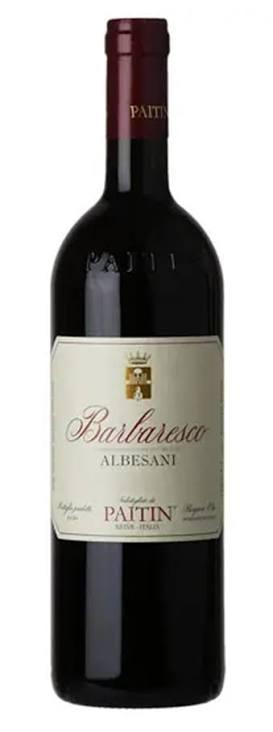 Piedmont (Barbaresco)
Paitin Barbaresco Albesani
Paitin · 2021
Nebbiolo
 Piedmont (Barbaresco)
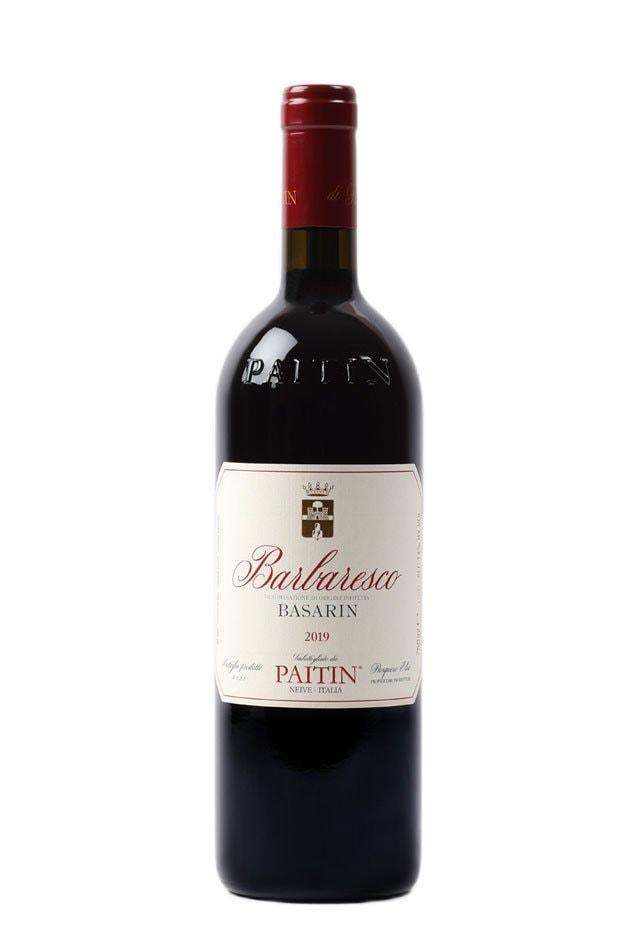
Paitin Barbaresco Basarin
Paitin · 2021
Nebbiolo
 Piedmont (Barbaresco)
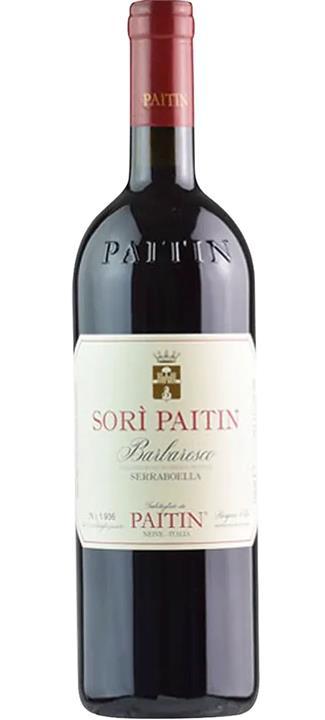
Paitin Barbaresco Sorì Paitin
Paitin · 2020
Nebbiolo
 Piedmont (Barbaresco)
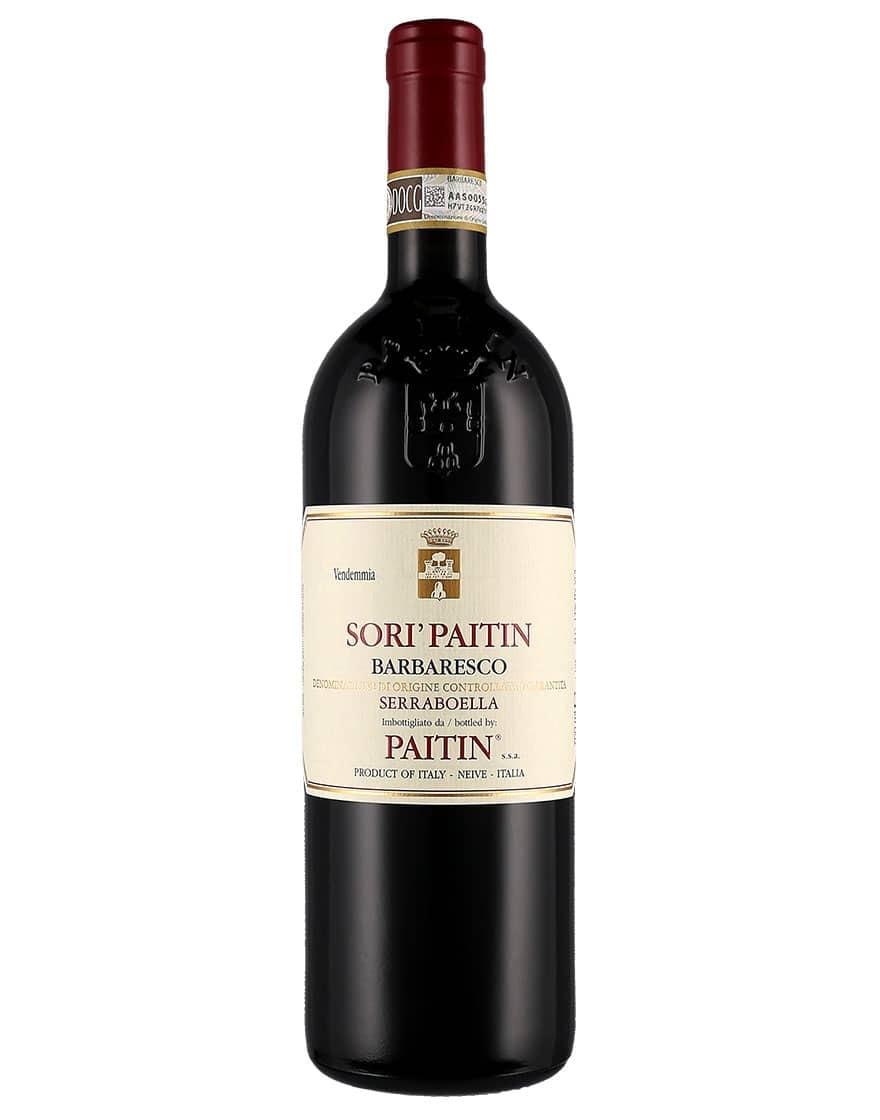
Paitin Barbaresco Sorì Paitin
Paitin · 2021
Nebbiolo
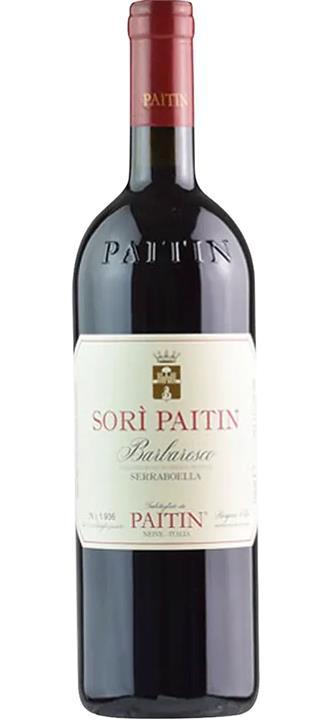 Piedmont (Barbaresco)
Paitin Barbaresco Sorì Paitin Magnum
Paitin · 2020
Nebbiolo
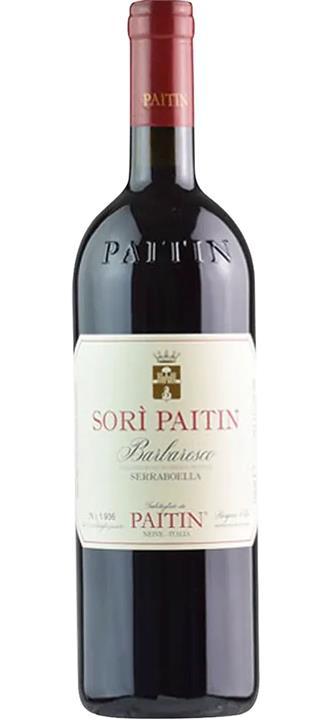 Piedmont (Barbaresco)
Paitin Barbaresco Sorì Paitin Magnum
Paitin · 2021
Nebbiolo
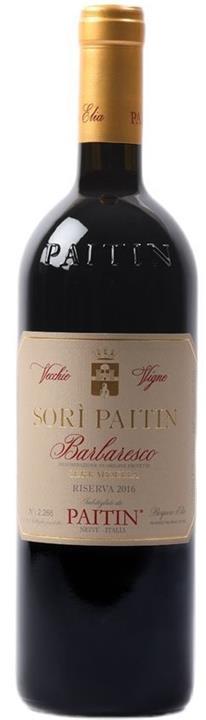 Piedmont (Barbaresco)
Paitin Barbaresco Sorì Paitin Vecchie Vigne
Paitin · 2009
Nebbiolo
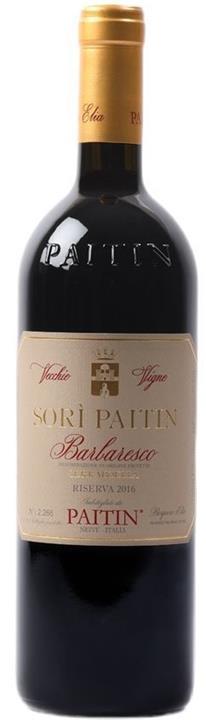 Piedmont (Barbaresco)
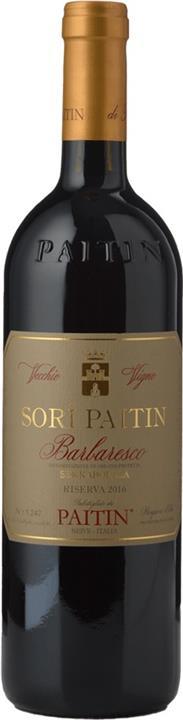
Paitin Barbaresco Sorì Paitin Vecchie Vigne
Paitin · 2008
Nebbiolo
 Piedmont (Barbaresco)
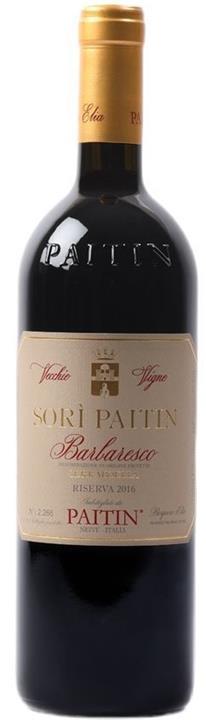
Paitin Barbaresco Sorì Paitin Vecchie Vigne
Paitin · 2019
Nebbiolo
 Piedmont (Barbaresco)
Paitin Barbaresco Sorì Paitin Vecchie Vigne
Paitin · 2010
Nebbiolo
 Piedmont (Langhe)
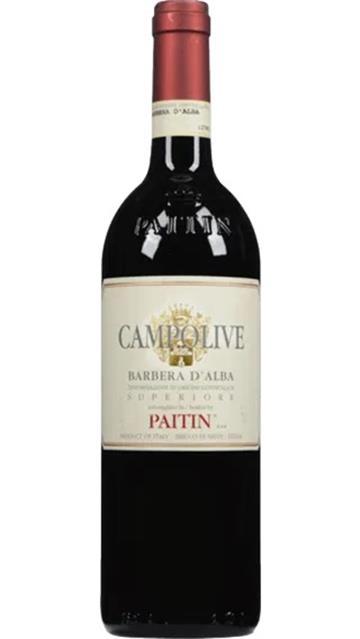
Paitin Barbera d'Alba Campolive
Paitin · 2021
Barbera
 Piedmont (Langhe)
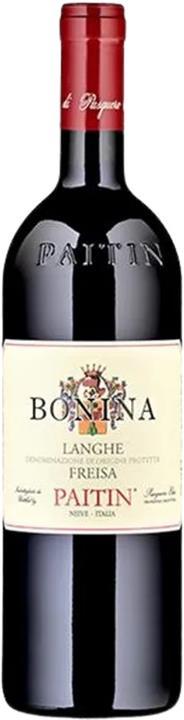
Paitin Langhe Freisa Bonina
Paitin · NV
Freisa
 Piedmont (Langhe)
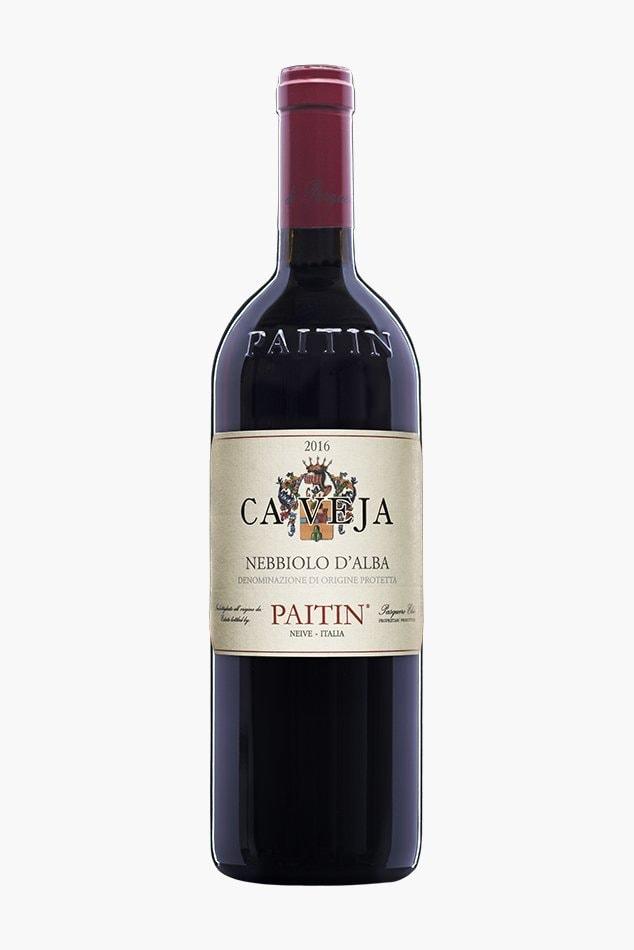
Paitin Nebbiolo d'Alba
Paitin · NV
Nebbiolo
 Piedmont (Barbaresco)
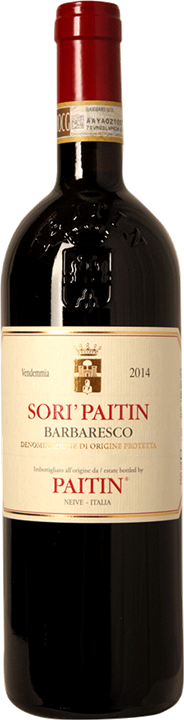
Paitin Barbaresco Sorì Paitin Magnum
Paitin · 2009
Nebbiolo