Producer
Meerendal Wine Estate
 Durbanville, Coastal Region, South Africa
Meerendal Wine Estate was established in 1702 when Governor Willem Adriaan van der Stel granted the land to Jan Meerland. After Meerland died at sea in 1714, his widow, Christina Stans, managed the property and planted 60,000 vines within a decade. The estate later came under the ownership of the Starke family in 1929, during which time William Starke built the manor house in 1936. Ownership changed again in 2004 when the property was purchased by a group of investors including Herman Coertze, whose family now owns and operates the business as a private enterprise.
The vineyards are situated on the slopes of the Tygerberg Hills and the Dorstberg in the Durbanville sub-region. These sites feature predominantly clay soils and benefit from a cool Mediterranean climate with frequent mists and Atlantic breezes. The estate manages over 150,000 vines across various elevations and orientations. In the cellar, winemaking combines historical methods with modern technology. The facility houses twenty open concrete fermentation and storage tanks dating back to 1943, which are used alongside temperature controlled stainless steel. General manager and winemaker Wade Roger-Lund follows a philosophy of minimal intervention to maintain the integrity of the fruit.
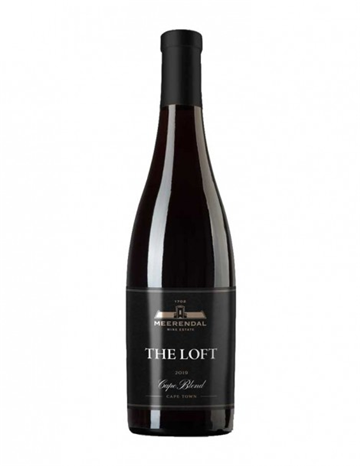
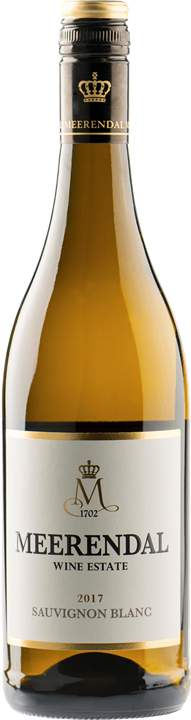
The producer gained significant recognition in 1973 as one of the first 14 South African farms to be granted official Wine Estate status. It is widely noted for its history with Pinotage, having planted its first vines of the variety in the early 1950s using stock provided by Professor Abraham Perold. The Heritage Block Pinotage is produced from a single vineyard planted in 1955 and is registered with the Old Vine Project. The estate also produces Shiraz, which was first bottled under the Meerendal label in 1969, and maintains a rare row of Muscat d'Alexandrie vines planted in 1936. Other production includes Sauvignon Blanc, Merlot, and Pinot Noir.