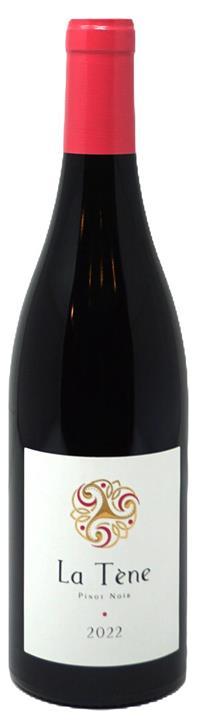
Producer
Maison Stéphane Brocard
 Bourgogne, Burgundy, France
Stéphane Brocard established Maison Stéphane Brocard in 2007 after leaving his family estate, Domaine Jean-Marc Brocard, in Chablis. He moved to Marsannay in the Côte de Nuits to build an independent merchant business and explore the broader terroir of Burgundy. Brocard intended to prove he could make wine independently of the family business, which his brother Julien and sister Céline also managed. While he maintains strong ties to his heritage, the maison operates as a separate entity designed to showcase the full regional spectrum from Chablis to the Mâconnais. Stéphane Brocard remains the principal owner and manages the export oriented operation from its recently updated base in Ouges.
The producer owns specific vineyard holdings in the appellations of Pommard and the village of Daix, located near Dijon. To augment this production, the maison collaborates with approximately thirty partner winegrowers, particularly focusing on young vignerons who prioritize modern viticultural practices. The term closerie refers to a small walled vineyard, a concept that informs the maison's secondary label, La Closerie des Alisiers. The winemaking philosophy emphasizes purity and mineral freshness, a stylistic preference influenced by Brocard's upbringing in Chablis. Many partner estates utilize organic farming practices, and the maison increasingly offers wines with organic certification. Production techniques frequently include gravity fed grape reception and temperature controlled fermentation in stainless steel to maintain primary fruit profiles.
The house is recognized for its extensive portfolio, which includes regional Bourgogne Pinot Noir and Chardonnay along with village level and Premier Cru bottlings. Signature wines often come from high profile communes such as Gevrey Chambertin, Meursault, and Pommard, though the range also extends to Grand Cru sites like Clos de Vougeot. The producer has established a reputation for value, offering authentic expressions of Burgundy terroir that avoid the high price inflation seen in other parts of the region. This approach has led to recurring recognition, including several gold medals at the Burgondia Wine Competition and positive mentions in the Guide Hachette. The wines are widely distributed internationally, appealing to those seeking traditional Burgundy styles focused on acidity and fruit rather than heavy oak influence.