Producer
Klein Constantia
 Constantia, Western Cape, South Africa
Klein Constantia traces its origins to 1685, when Simon van der Stel, the first governor of the Cape, established the original Constantia estate. After the property was divided in 1712 and again in 1817, the land that became Klein Constantia passed through various owners, including the Cloete and de Villiers families. The modern era began in 1980 when Duggie Jooste purchased the estate and initiated a restoration of the vineyards and cellar. In 2011, the property was sold to investors Zdeněk Bakala and Charles Harman. A year later, it merged with the Anwilka vineyard, incorporating partners Bruno Prats and Hubert de Boüard into the ownership structure.
The vineyards are located on the slopes of the Constantiaberg mountain, with elevations ranging from 70 to 343 meters above sea level. Decomposed granite soils characterize the terrain, which benefits from maritime influences and cooling breezes from nearby False Bay. These conditions support a focused cool-climate style, particularly for Sauvignon Blanc, which occupies more than half of the estate's 75 hectares of vines. Winemaking under Matthew Day emphasizes precision and site expression through minimal intervention and technical accuracy. The estate is recognized as a WWF Conservation Champion for its efforts to preserve the indigenous Grootbos forest and maintain a balanced ecosystem that includes integrated pest management and water conservation.
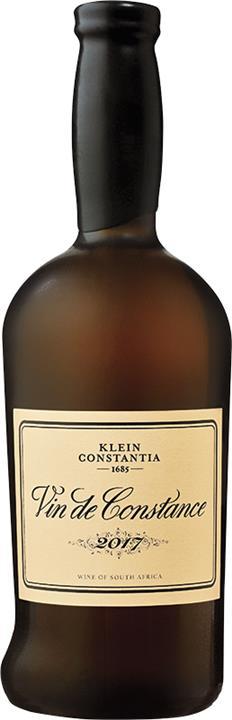
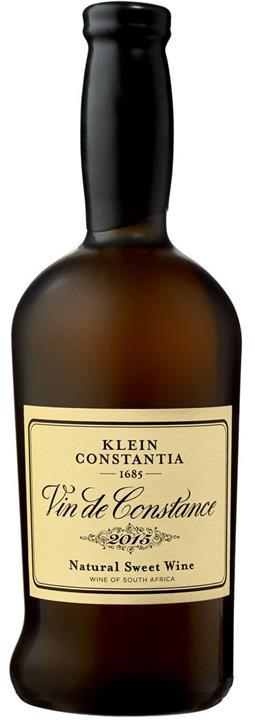
The producer is most widely recognized for Vin de Constance, a natural sweet wine made from Muscat de Frontignan. This wine is a revival of the historical Constantia dessert wines that gained global status in the 18th and 19th centuries, cited in the works of authors such as Jane Austen and requested by Napoleon Bonaparte during his exile. The modern version was first released in 1986 following extensive research into historical production methods. In addition to this sweet wine, the estate produces a range of dry whites and red blends, including the Anwilka label. It regularly receives high scores from international critics and holds a position among the most historically significant properties in the Southern Hemisphere.