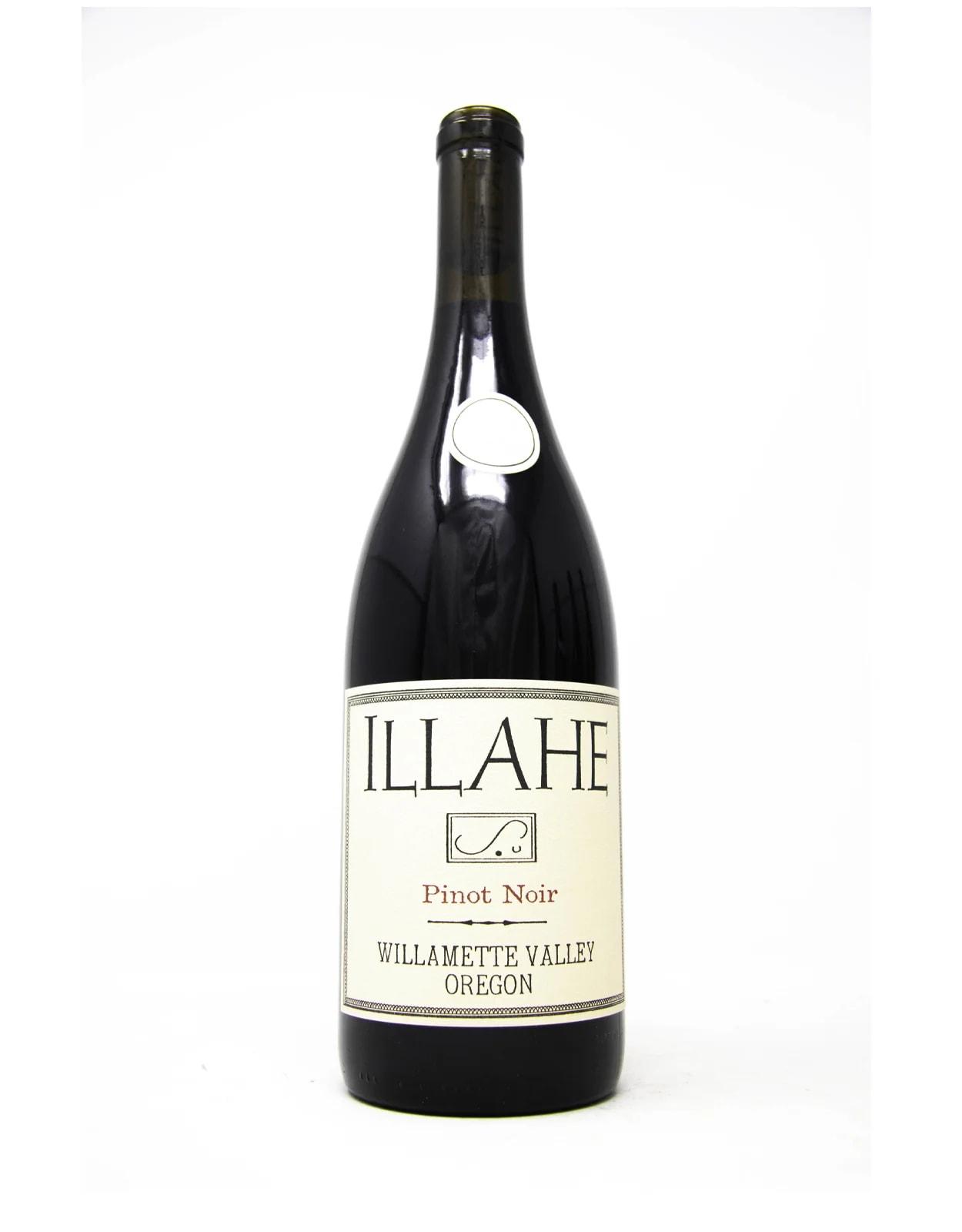
Producer
Illahe Vineyards
 Willamette Valley, Oregon, Usa
Lowell and Pauline Ford began their viticultural history in 1983 when Lowell planted an acre of Müller-Thurgau on his family property near Dallas, Oregon. The Ford family maintains deep roots in Oregon agriculture, as Pauline's father purchased a farm in Salem in 1943 where she has resided her entire life. The name Illahe is derived from a Chinook Jargon word meaning earth, place, or soil. While the family had been growing grapes for decades, the current winery operations officially launched in 2006 with the release of a few hundred cases from the 2004 vintage. Today, the estate remains family owned and operated, with son Brad Ford serving as the winemaker and president. Brad joined the business in 2004 after a career that included work as a carpenter and English instructor, while his wife, Bethany Ford, manages national sales and marketing.
The estate spans 80 acres on a south-facing slope within the Mount Pisgah, Polk County, Oregon AVA. This site features shallow clay soils consisting of marine sediments like Bellpine, Wellsdale, and Dupee, alongside patches of volcanic Jory and Nekia soils. Elevation ranges from 250 to 440 feet, and the vines benefit from the cooling Van Duzer winds that moderate the maturation of the grapes. The winery is LIVE-certified and Salmon-Safe, and as members of the Deep Roots Coalition, they do not irrigate mature vines. Winemaking emphasizes manual labor and historical techniques to maintain a natural approach from soil to bottle. This includes the use of Percheron draft horses for mowing and hauling fruit, gravity-flow processing, and a gentle wooden basket press. They also utilize a variety of fermentation vessels, including oak, acacia, clay, and amphorae.
Pinot Noir is the primary focus of the estate, accounting for approximately 52 of the 60 planted acres. The winery is particularly known for the 1899 Estate Pinot Noir, which is produced entirely without electricity or modern mechanization. This project utilizes hand-sorting, a bicycle-powered pump for moving wine, and horse-drawn transport for the fruit. Other notable Pinot Noir bottlings include the Percheron Block and Bon Sauvage labels. Beyond Pinot Noir, the producer is recognized for its Grüner Veltliner, which is among the largest plantings of the variety in Oregon. They also produce Pinot Gris, Viognier, and a selection of Italian varieties such as Lagrein, Schioppettino, and Teroldego. The winery has established a reputation for producing wines that prioritize traditional craftsmanship and manual techniques over industrial efficiency.