Producer
Il Marroneto
 Brunello di Montalcino, Tuscany, Italy
Giuseppe Mori, a lawyer from Siena, purchased the Il Marroneto property in 1974 as a family retreat. The estate is named after a historical building on the site dating to 1246 that was originally used to dry chestnuts, known as marroni in the local dialect. Giuseppe planted the first small vineyard in 1975 with his sons, Andrea and Alessandro. While Andrea pursued a career in law, Alessandro Mori dedicated himself to the winery and took full management of the estate in the 1980s. Today, Alessandro remains the owner and lead winemaker, and his son Iacopo has recently joined the family business to continue its independent operation.
The estate vineyards comprise approximately six hectares on the northern slopes of the Montalcino hill at an elevation of 400 meters. This location provides a cooler microclimate influenced by northern winds, which helps preserve acidity in the grapes. The soil consists primarily of ancient marine sand, often referred to as sabbione di mare, which is rich in minerals and fossils. Mori manages these plots with a minimalist approach, avoiding the use of herbicides and other synthetic chemical treatments. In the cellar, the winemaking follows traditional protocols. Fermentation occurs spontaneously with indigenous yeasts in large Allier oak vats. The wines then age for several years in 25-hectoliter Slavonian and Allier oak casks, as Mori avoids the use of small barriques to prevent excessive wood flavors.
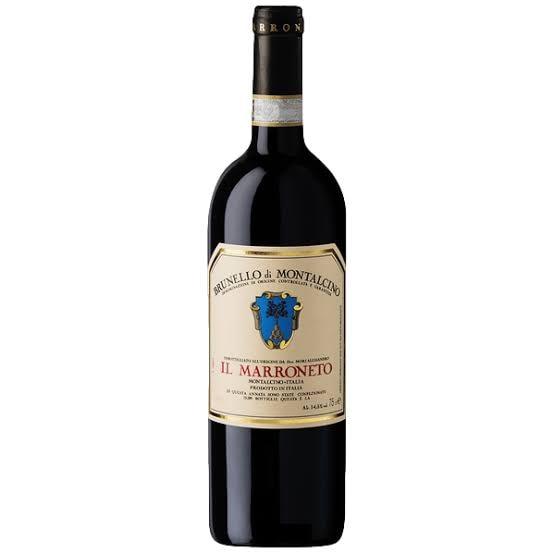
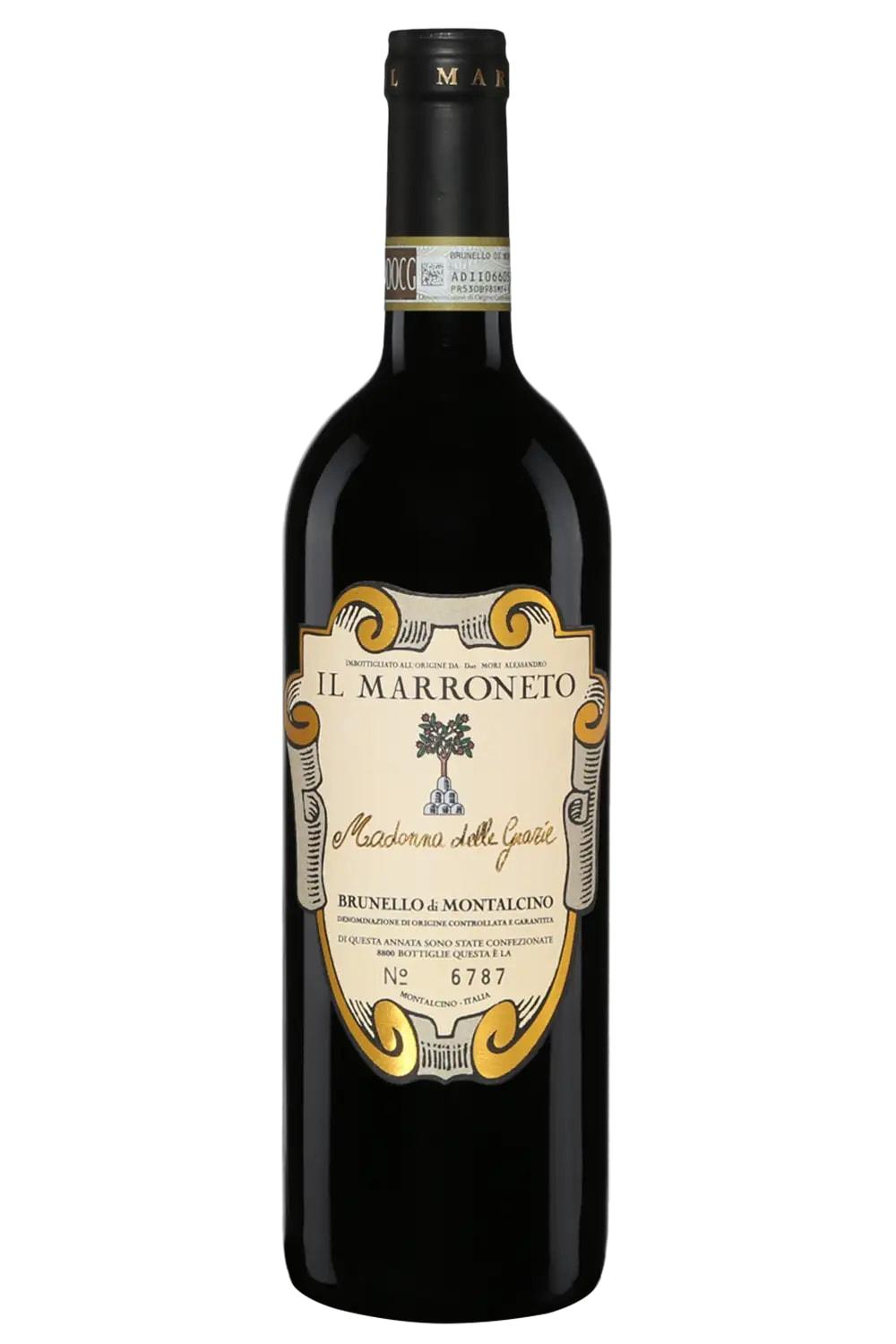
Il Marroneto is best known for its single vineyard bottling, Brunello di Montalcino Madonna delle Grazie, produced from the original 1974 planting located near a local sanctuary. This wine has achieved significant recognition from critics, including perfect 100-point scores from publications such as The Wine Advocate and Vinous. The estate also produces a classic Brunello di Montalcino and two Rosso di Montalcino wines, one of which is the Selezione Iacopo. Within the wine community, Alessandro Mori is regarded as a central figure in the traditionalist movement of the region. His wines are valued for their clarity and high acidity, providing a profile focused on aromatic complexity rather than weight or extraction.