Producer
Giulio Cocchi
 Torino, Piedmont, Italy
Giulio Cocchi, a pastry chef from Florence, established the company in Asti in 1891. He was fascinated by the local custom of flavoring wines with herbs and spices and began developing his own formulas for aromatized and sparkling wines. His products achieved success during the Belle Epoque and the Italian Futurist period, supported by a network of twelve authorized tasting bars throughout Piedmont. Some of these historical venues, such as Bar Cocchi in Asti, remain in operation today. Since 1978, the estate has been owned and managed by the Bava family, who are established winemakers from the Monferrato region. The Bavas have modernized production facilities while maintaining the artisan character of the original brand.
The winery and its aging cellars are located in Cocconato and Asti, within the Piedmont region. A central focus of the winemaking team is the production of Alta Langa DOCG, a traditional method sparkling wine. The estate was a pioneer in this appellation, participating in the initial experiments and agreements that defined the DOCG standards. They source Pinot Nero and Chardonnay from high-altitude vineyards in the Langa hills, prioritizing fruit that maintains high acidity. These sparkling wines typically undergo extended maturation on the lees and receive a low sugar dosage to preserve the purity of the grapes. For the aromatized wines, the family utilizes the founder's original 1891 botanical recipes, which require the slow maceration of botanicals like barks and herbs in wine without the use of artificial additives.
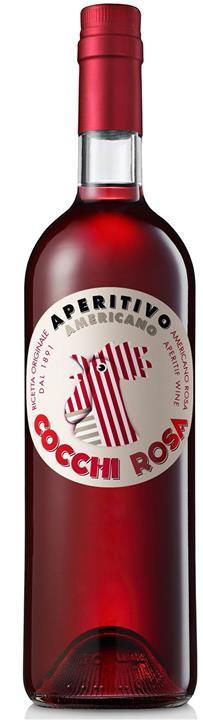
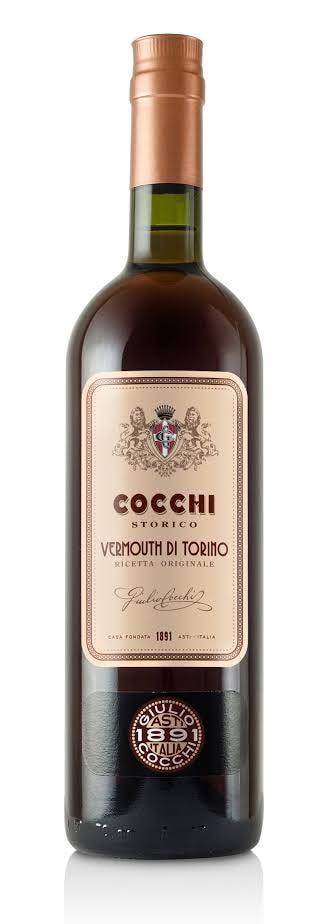
Cocchi is widely acknowledged for its role in the international resurgence of traditional Vermouth di Torino. The Storico Vermouth di Torino, released in 2011 to mark the company's 120th anniversary, served as a catalyst for the rebirth of the appellation. Another signature product is the Aperitivo Americano, which is based on Moscato d'Asti and flavored with gentian and cinchona. The sparkling wine portfolio includes the Totocorde, a vintage blend of Pinot Nero and Chardonnay, and the Bianc 'd Bianc, which is produced exclusively from Chardonnay grapes. The producer also continues to craft Barolo Chinato according to the ancient recipe, contributing to the preservation of this specific Piedmontese category of digestive wines.