Producer
Domaine de la Pousse d'Or
 Pommard, Burgundy, France
Domaine de la Pousse d'Or traces its origins to the 11th century when it was part of the holdings belonging to the Dukes of Burgundy. During the 19th century, the property came under the ownership of Jacques-Marie Duvault-Blochet, a significant figure in Burgundian history whose vast estate included the vineyards of Romanée-Conti. The modern era of the domaine began in 1964 when Gérard Potel assumed management and revitalized the estate's standing. Following Potel's death in 1997, the estate was purchased by Patrick Landanger, an engineer and entrepreneur who oversaw a period of modernization and vineyard acquisition. His son, Benoît Landanger, joined the domaine in 2013 and assumed full management responsibilities in 2018. Following the death of Patrick in 2023, Benoît continues to lead the family estate.
The domaine manages approximately 17 hectares of vineyards spread across several villages, including Volnay, Pommard, Puligny-Montrachet, and Chambolle-Musigny. Viticulture is strictly biodynamic, a practice initiated by Patrick and completed by Benoît, with the entire estate receiving certification in 2018. The winemaking facility in Volnay utilizes a gravity-flow design to ensure gentle handling of the fruit from reception to bottling. Fermentations are conducted using indigenous yeasts and typically involve a cold maceration period. The wines age on their lees for up to 18 months in French oak barrels, with the proportion of new wood generally kept around 30 percent to preserve terroir expression. The estate also employs terracotta amphoras for certain cuvées to offer an alternative interpretation of the fruit.
The reputation of Domaine de la Pousse d'Or is built upon a collection of vineyard holdings, most notably its three Premier Cru monopoles in Volnay: Clos de la Bousse d'Or, Clos des 60 Ouvrées, and Clos d'Audignac. Its broader portfolio includes seven Grands Crus, such as Bonnes-Mares and Clos de la Roche in the Côte de Nuits, along with Chevalier-Montrachet and Corton Clos du Roi in the Côte de Beaune. These wines are characterized by their structural precision and ability to convey the nuances of limestone and clay soils. While the Volnay wines are known for their floral aromatics and silkiness, the Pommard 1er Cru Les Jarolières offers a more robust profile. The estate is considered a benchmark for viticulture in Burgundy, producing wines designed for extensive cellar aging.
Wines from Domaine de la Pousse d'Or
12 wines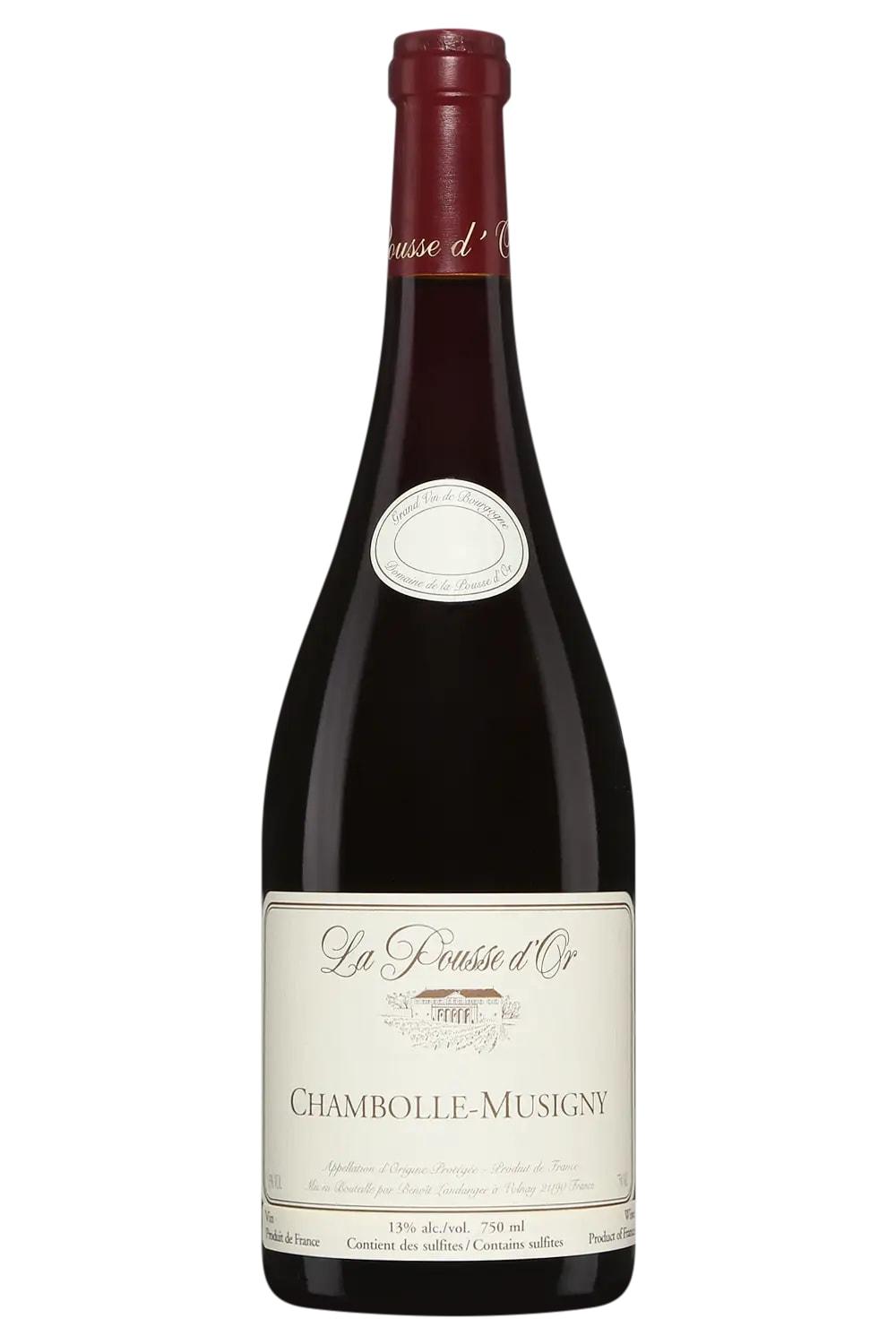 Burgundy (Chambolle-Musigny)
Domaine de la Pousse d'Or Chambolle-Musigny
Domaine de la Pousse d'Or · 2023
Pinot Noir
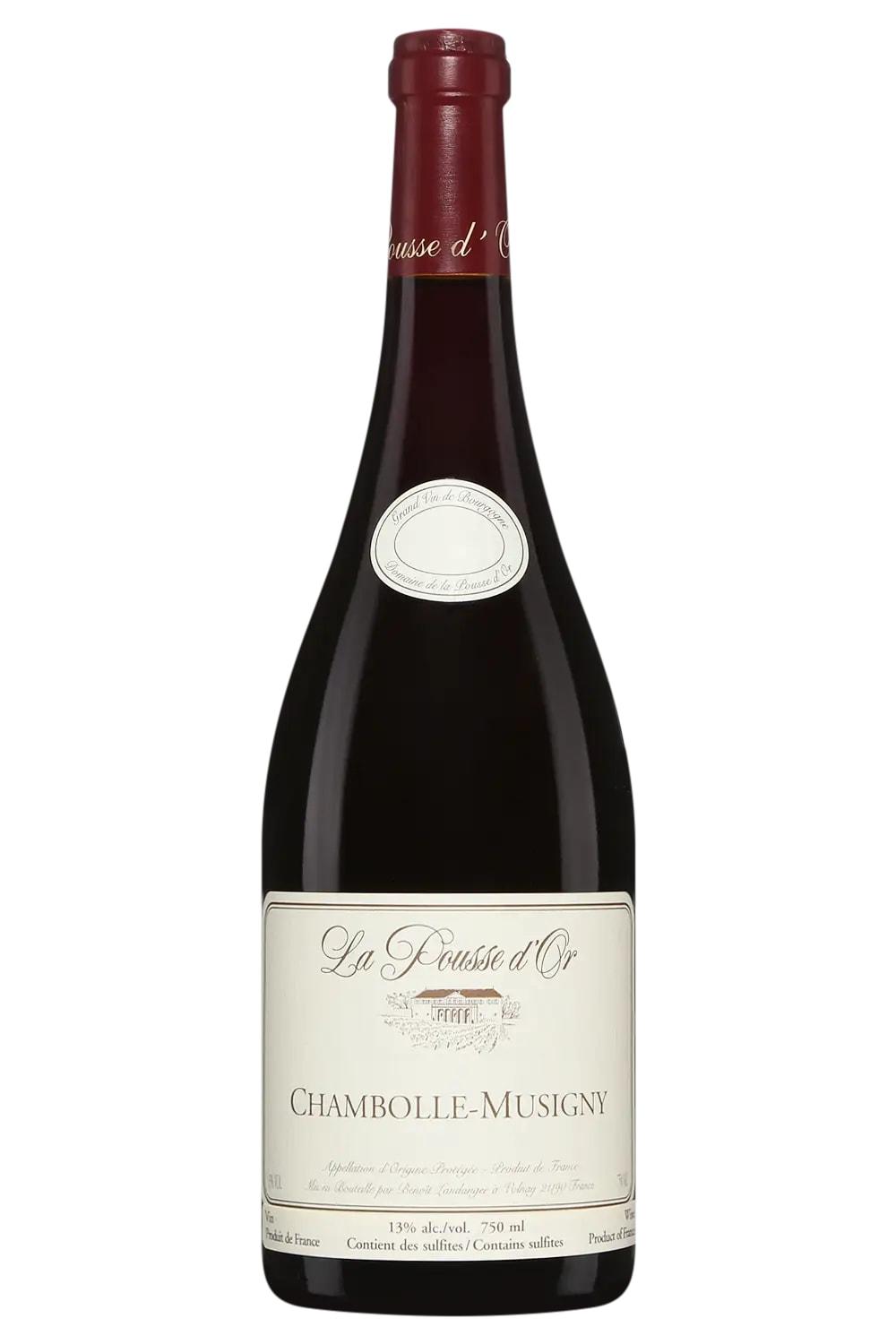 Burgundy (Chambolle-Musigny)
Domaine de la Pousse d'Or Chambolle-Musigny
Domaine de la Pousse d'Or · 2017
Pinot Noir
 Burgundy (Corton Clos du Roi)
Domaine de la Pousse d'Or Corton Clos du Roi Grand Cru
Domaine de la Pousse d'Or · 2022
Pinot Noir
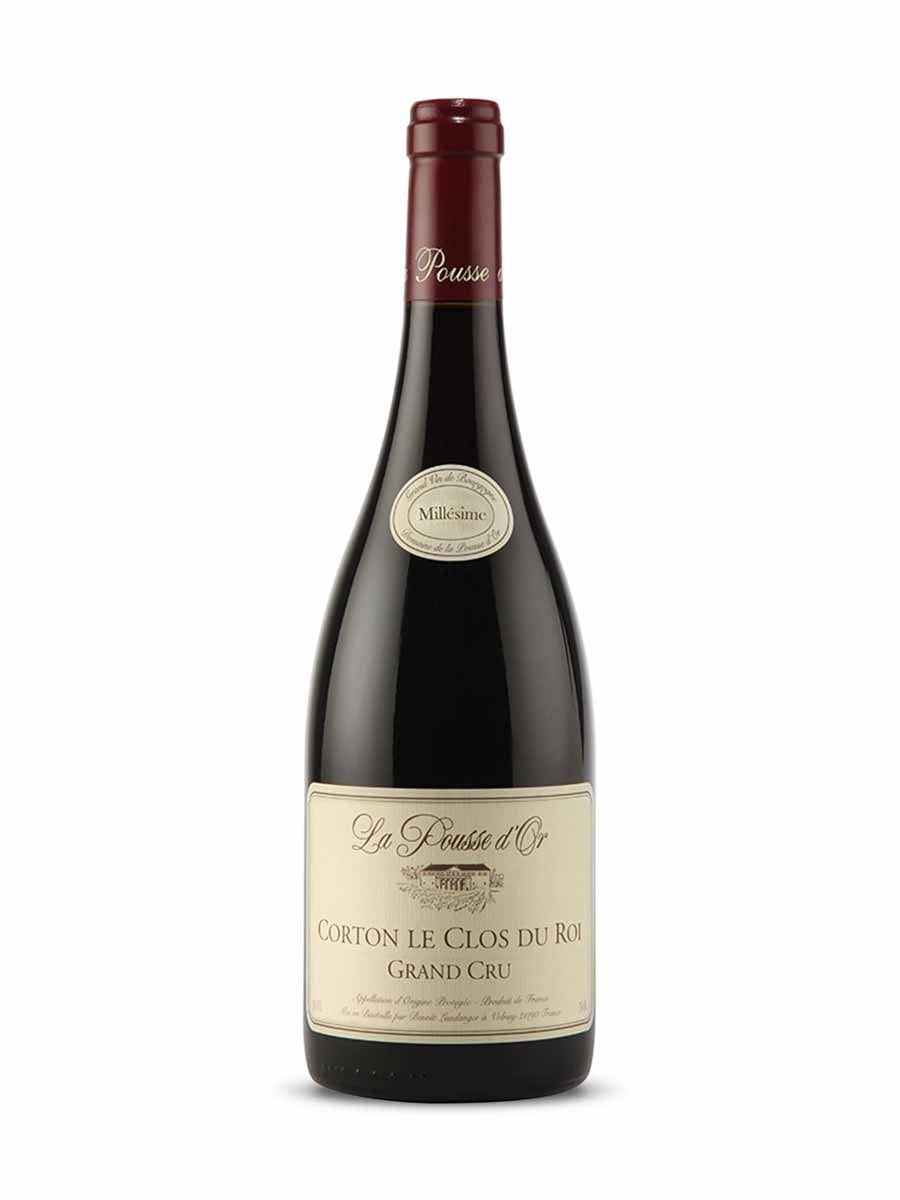 Burgundy (Corton)
Domaine de la Pousse d'Or Corton Grand Cru
Domaine de la Pousse d'Or · 2023
Pinot Noir
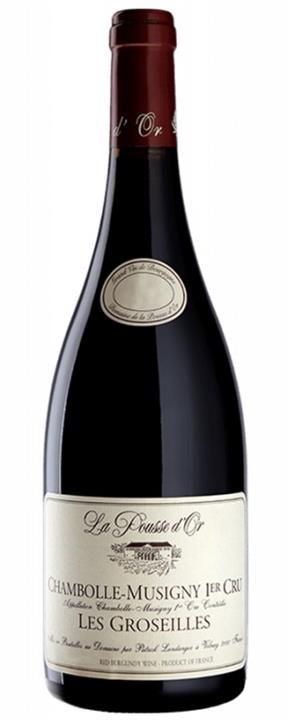 Burgundy (Volnay)
Domaine de la Pousse d'Or 'Les Groseilles' Premier Cru
Domaine de la Pousse d'Or · 2021
Pinot Noir
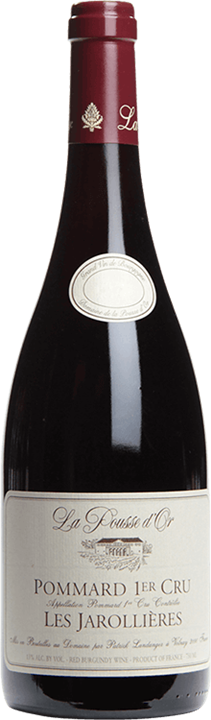 Burgundy (Pommard)
Domaine de la Pousse d'Or Pommard 1er Cru Les Jarolières
Domaine de la Pousse d'Or · 2023
Pinot Noir
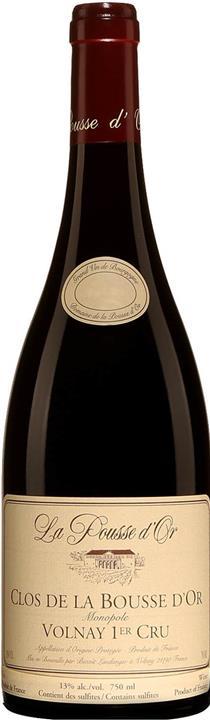 Burgundy (Volnay)
Domaine de la Pousse d'Or Volnay 1er Cru Clos de la Bousse d'Or Monopole
Domaine de la Pousse d'Or · 2023
Pinot Noir
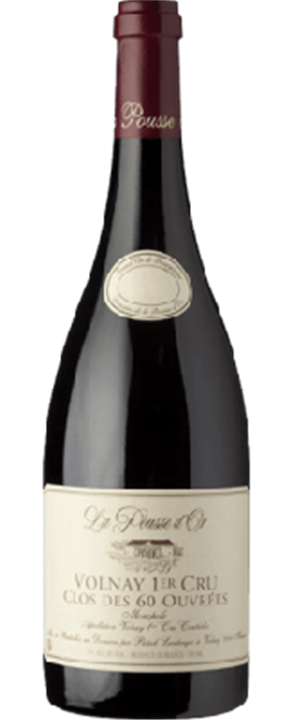 Burgundy (Volnay Premier Cru)
Domaine de la Pousse d'Or Volnay 1er Cru Clos des 60 Ouvrées
Domaine de la Pousse d'Or · 2022
Pinot Noir
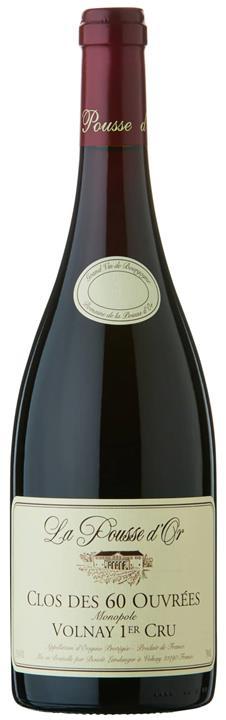 Burgundy (Volnay)
Domaine de la Pousse d'Or Volnay 1er Cru Clos des 60 Ouvrées
Domaine de la Pousse d'Or · 2023
Pinot Noir
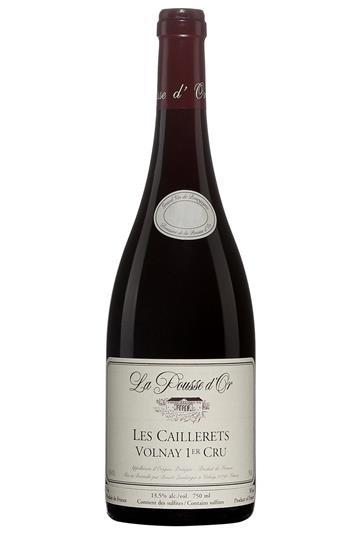 Burgundy (Volnay)
Pousse d'Or Volnay 1er Cru 'En Caillerets'
Domaine de la Pousse d'Or · 2021
Pinot Noir
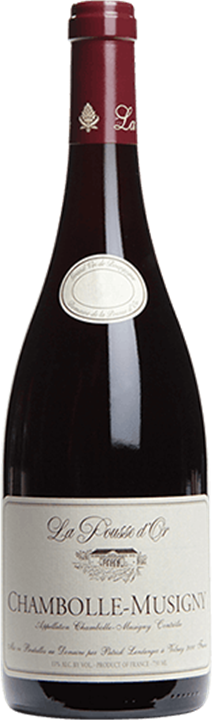 Burgundy (Chambolle-Musigny)
Domaine de la Pousse d'Or Chambolle-Musigny
Domaine de la Pousse d'Or · 2022
Pinot Noir
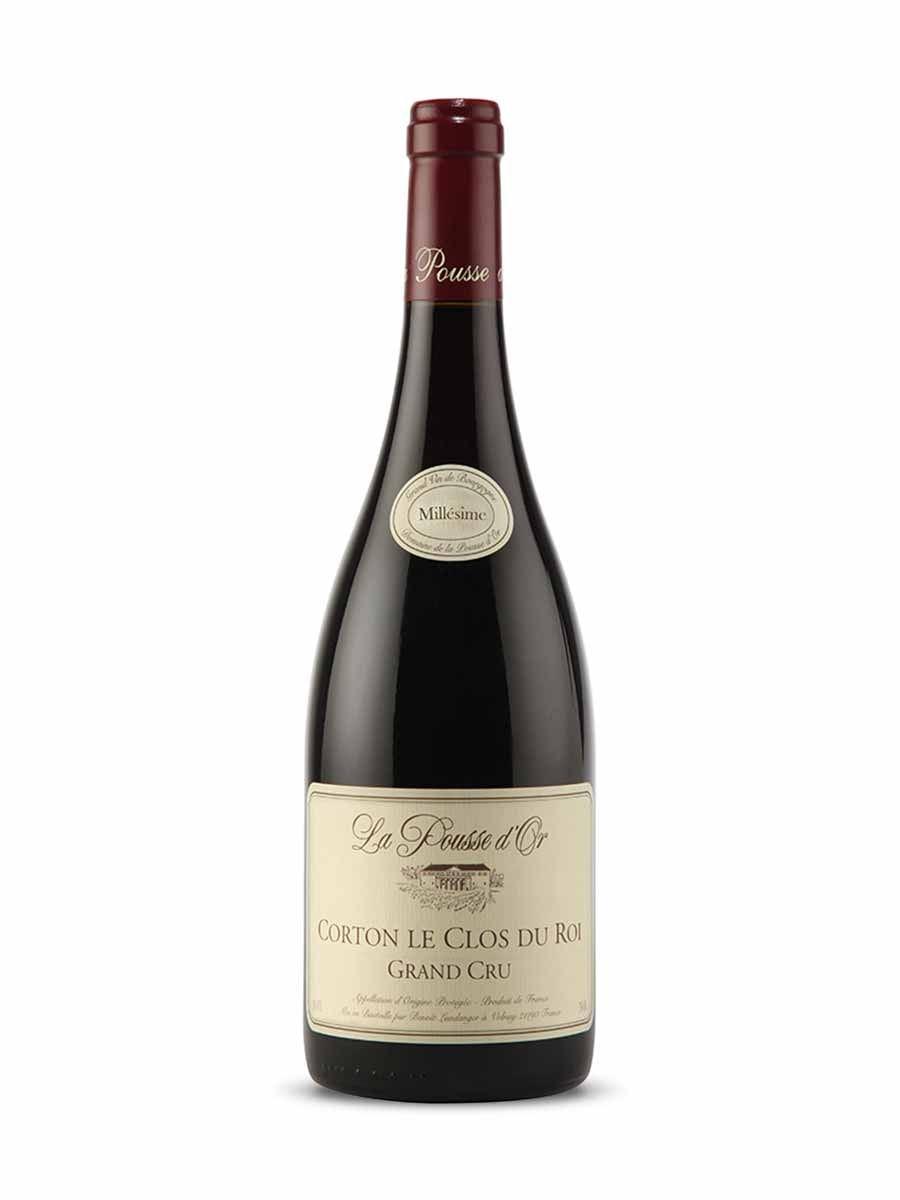 Burgundy (Corton)
Domaine de la Pousse d'Or Corton Grand Cru 'Le Clos du Roi'
Domaine de la Pousse d'Or · 2021
Pinot Noir