Producer
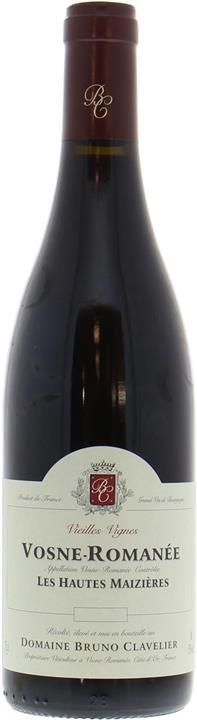
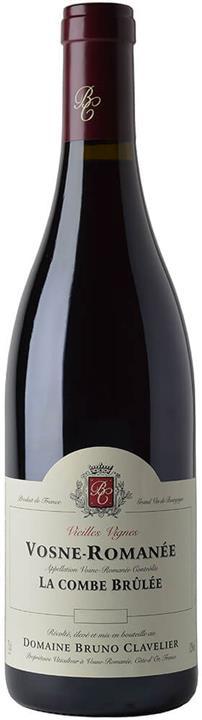
Domaine Bruno Clavelier
 Vosne-Romanée, Burgundy, France
Domaine Bruno Clavelier was established in its current form in 1988 when the eponymous owner began bottling wines under his own name. The family history in Vosne-Romanée spans five generations, though for much of the 20th century, the fruit was sold to négociants, including Bruno's paternal grandfather, Antoine Clavelier. In 1987, Bruno Clavelier transitioned from a career as a professional rugby player in Dijon to take over the estate from his maternal grandfather, Joseph Brosson. Brosson was a dedicated viticulturist who avoided chemical fertilizers as early as the 1970s and was known locally for his intense manual labor, earning him the nickname Tarzan among neighboring growers.
The estate manages 6.5 hectares of vineyards across several appellations, including Vosne-Romanée, Gevrey-Chambertin, Chambolle-Musigny, Nuits-Saint-Georges, and Aloxe-Corton. A significant portion of the holdings consists of old vines planted in the 1930s and 1940s through massal selection, which results in naturally low yields and deep root systems. Clavelier achieved biodynamic certification through Ecocert in 2005 and maintains a philosophy of minimal intervention. In the cellar, fermentation occurs in open-top oak vats using indigenous yeasts and up to 30 percent whole clusters. The wines age for 16 to 18 months in barrels from Tronçais and Allier, with new wood limited to 30 percent for Premier and Grand Crus, and they are bottled without fining or filtration.
The domaine is recognized for its transparent style and precise expression of individual climates, often vinifying even small parcels separately to highlight geological differences. Its most prominent labels come from Vosne-Romanée, specifically the Premier Crus Aux Brulées and Les Beaux Monts, alongside a Grand Cru from Corton Le Rognet. Beyond Pinot Noir, the estate is noted for its old-vine Aligoté, with some vines dating back to 1921. While less widely publicized than some of its peers, the producer has built a strong reputation for crafting structured wines that emphasize soil character. This focus on terroir is reflected in the tasting room, where Clavelier displays geological samples such as white oolite and silica-rich limestone collected from his vineyard sites.