Producer
Denis Durantou
 Saint-Émilion, Bordeaux, France
Denis Durantou, who lived from 1957 to 2020, was the primary figure behind a portfolio of Right Bank estates in Bordeaux. He first took over his family property, Château l'Église-Clinet, in 1983 after completing his studies at Sciences Po and the University of Bordeaux. While the family has roots in the region dating back to the 18th century, Durantou is credited with modernizing the cellars and establishing the brand as a leader in precision viticulture. Following his death in May 2020, the management of the various family estates passed to his three daughters, Noémie, Constance, and Alix. They continue to operate the business with the technical support of Olivier Gautrat, who served as the cellar master under their father for many years.
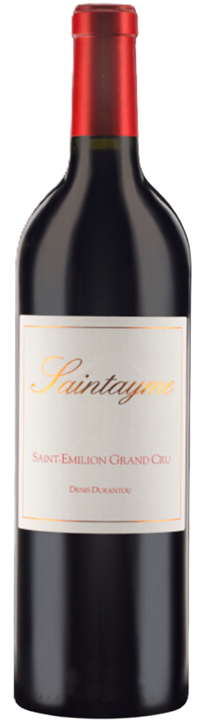
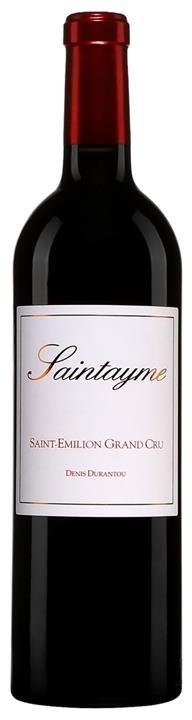
The production in Saint-Émilion focuses on Saintayme, a vineyard located within the commune of Saint-Étienne-de-Lisse. This property consists of approximately nine hectares of vines that are held through a long-term leasing arrangement. The terroir is composed of clay and limestone soils on a gravel subsoil, a combination that provides efficient drainage and consistent water access. The vineyard is planted to nearly 100 percent Merlot, with an average vine age of 35 years. In the cellar, the winemaking team utilizes small, temperature-controlled stainless steel vats for fermentation. Malolactic fermentation is also conducted in these vats rather than in barrels, a technique Durantou preferred for the precise control it offered over yeast and bacteria levels before the wine is moved to French oak for 14 months of maturation.
Saintayme is recognized for its technical consistency and its position as an entry point into the Durantou style. Within the Saint-Émilion Grand Cru classification, the wine is noted for its purity of fruit and its avoidance of over-extraction or excessive oak influence. The location in Saint-Étienne-de-Lisse provides a cooler microclimate than much of the Saint-Émilion plateau, which contributes to a structured and fresh profile in the glass. The estate is part of a broader group of properties that include holdings in Lalande-de-Pomerol and Castillon, all managed with the same focus on site-specific expression. The family's work is respected for maintaining high standards of quality across different price points and appellations while staying true to the character of the Merlot grape.