Producer
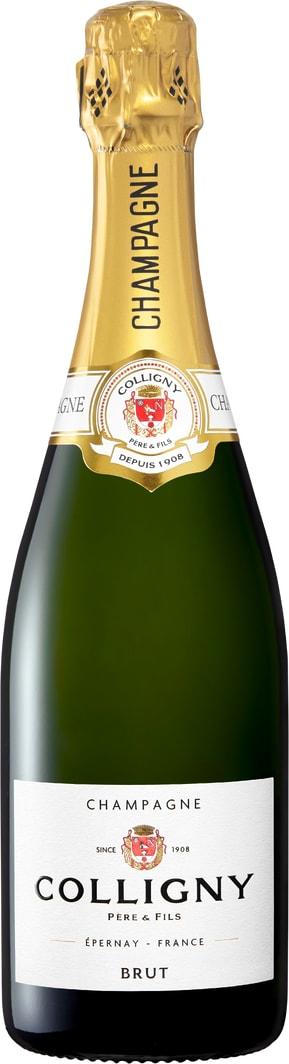
Champagne Colligny Père & Fils
 Épernay, Champagne, France
Maison Burtin, the producer behind the Colligny brand, was established in 1933 by Gaston Burtin in the city of Épernay. Gaston Burtin was a prominent entrepreneur in the region and served as the president of the Syndicat des Négociants en Vins de Champagne for eight years. Since 2006, the house has been part of the Lanson-BCC group, which is one of the largest entities in the Champagne industry and includes other houses such as Lanson and Philipponnat. The house is headquartered at the Château des Archers, a historic 18th century site in the center of Épernay that serves as the hub for its vinification and storage operations.
Operating as a Négociant-Manipulant, the house manages extensive grape supply contracts with growers distributed throughout the diverse sub-regions of Champagne. This access to a wide variety of fruit allows the winemaker, Fabien Henry, to blend Pinot Noir, Pinot Meunier, and Chardonnay from different soil types and microclimates. The winemaking process takes place in a facility that combines traditional methods with modern industrial standards, holding certifications such as IFS and BRC. Beneath the Château des Archers lies a network of approximately 14 kilometers of chalk cellars where the bottles are aged for extended periods to develop complexity. The house style emphasizes fresh fruit expression and a delicate mousse, often achieved through the use of a perpetual reserve system that adds depth to the blends.
The Colligny label is best recognized for its trio of non-vintage cuvées, including the Brut, the Brut Rosé, and the Demi-Sec. The Brut is typically a traditional blend that provides notes of white fruit, citrus, and subtle honey, while the Rosé is noted for its salmon color and red berry flavors. The Demi-Sec version is crafted with a higher dosage to pair with desserts or spicy cuisine. While the house recently launched a premium range named after its founder, Colligny continues to serve as its primary brand for international export. It has established a strong presence in the United States and Europe through distribution via large specialist retailers, where it is often featured as a value option for consumers seeking authentic Champagne at a competitive price.