Producer
Château Tronquoy
 Saint-Estèphe, Bordeaux, France
Château Tronquoy was established in the 18th century, with 1791 marking the year François Tronquoy began planting vineyards. The estate took its long-standing name, Château Tronquoy-Lalande, from its founder and the surrounding heathland known as La Lande. For much of the 20th century, the property was managed by the Castéja-Texier family. In 2006, the estate was purchased by Martin and Olivier Bouygues, who had acquired the neighboring Second Growth Château Montrose earlier that same year. Following the acquisition, the new owners invested ten million euros in a comprehensive modernization project, which included the construction of a new gravity-fed cellar. In 2022, the estate simplified its branding by dropping Lalande from its name.
The vineyard covers 30 hectares in the Saint-Estèphe appellation, situated on a deep gravel terrace with a significant clay subsoil. This geological composition, often referred to as Terrace Number 3, provides an ideal environment for Merlot, which represents roughly half of the estate's plantings. This high proportion of Merlot is a distinguishing feature of the property, as neighboring Saint-Estèphe estates typically favor Cabernet Sauvignon. The vineyard also includes Cabernet Sauvignon, Petit Verdot, and a small parcel of white varieties including Sémillon and Sauvignon Gris. Winemaking is conducted in a modernized facility equipped with 22 temperature-controlled stainless steel vats. The property has moved toward environmental certification, achieving organic status beginning with the 2024 vintage.
The estate produces three distinct wines: the red grand vin Château Tronquoy, the second wine Tronquoy de Sainte-Anne, and a rare dry white wine named Château Tronquoy Blanc. The red wines are recognized for their structural density and the spicy aromatic profile typical of Saint-Estèphe. Although officially classified as a Cru Bourgeois Supérieur, the estate maintains a reputation for quality that rivals classified growths, largely due to the technical oversight of the team from Château Montrose. Critics often highlight the wines for their consistency and value within the appellation. The white wine, introduced in 2012, is particularly noted for its rarity as one of the few white wines produced in the northern Médoc.
Wines from Château Tronquoy
4 wines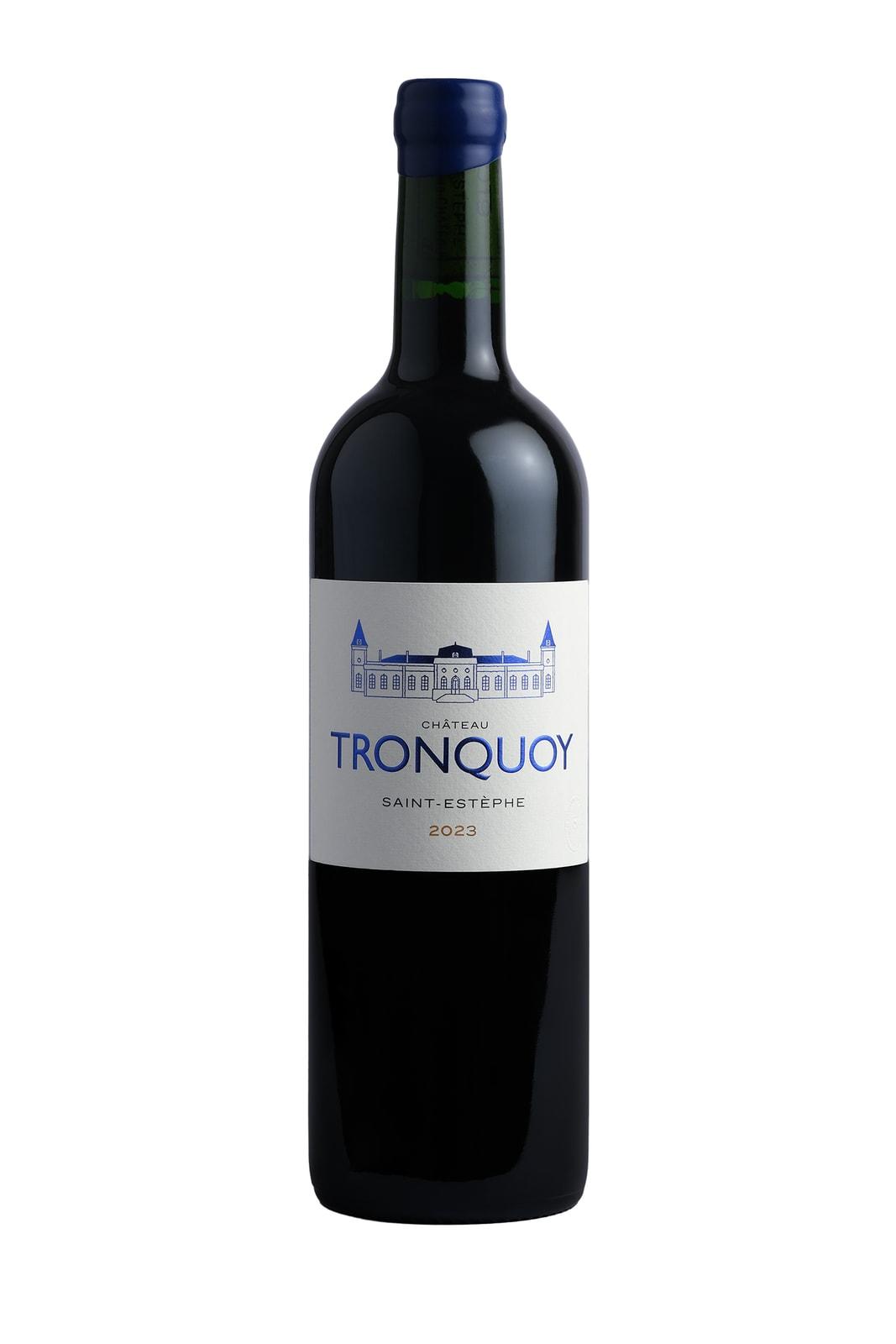 Bordeaux (Saint-Estèphe)
Château Tronquoy
Château Tronquoy · 2023
Red Blend
 Bordeaux (Saint-Estèphe)
Château Tronquoy Blanc
Château Tronquoy · 2023
White Blend
 Bordeaux (Saint-Estèphe)
Château Tronquoy
Château Tronquoy · 2022
Red Blend
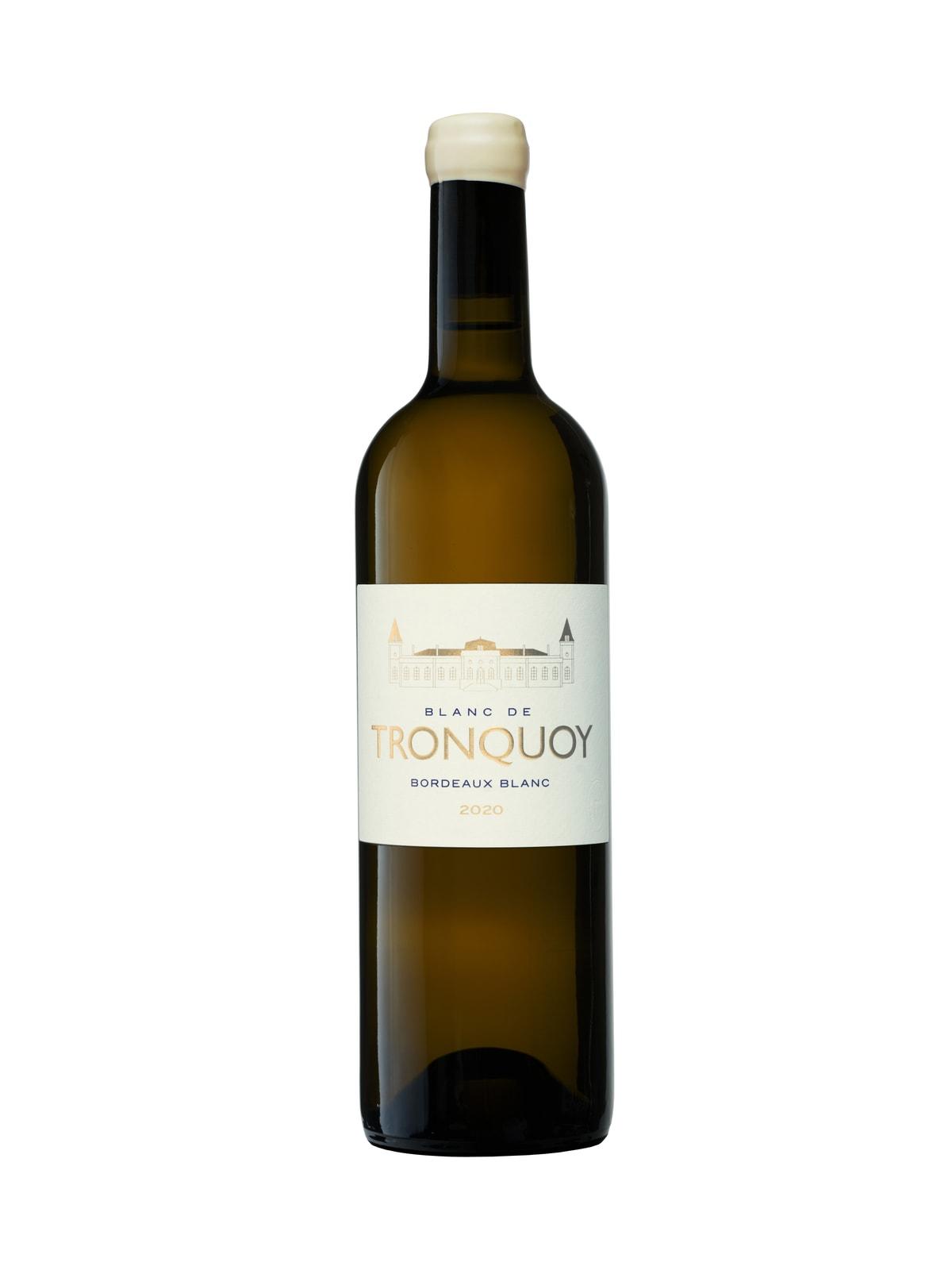 Bordeaux (Saint-Estèphe)
Château Tronquoy Blanc
Château Tronquoy · 2020
White Blend