Producer
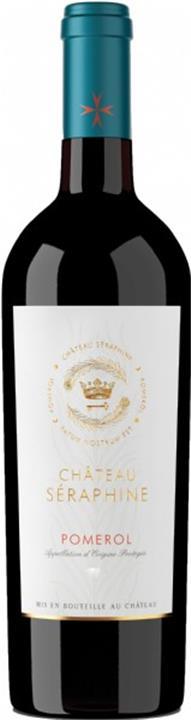
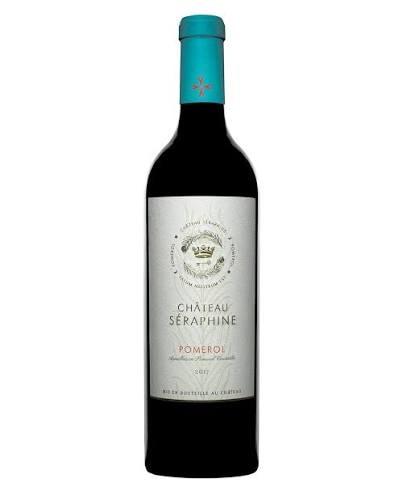
Château Séraphine
 Pomerol, Bordeaux, France
Château Séraphine was established in 2016 when Martin Krajewski and his daughter Charlotte purchased two small adjoining properties in Pomerol, Château Monbrun and Clos Picassou. With the approval of the Syndicate of Pomerol and regional authorities, these estates were merged into a single 2.2 hectare domaine. The project represents a family legacy, as the name honors Martin’s grandmother and his Polish farming heritage. Before founding this estate, Martin Krajewski owned Château de Sours and established Clos Cantenac in neighboring Saint-Émilion. Charlotte Krajewski serves as the technical director and winemaker, bringing experience from previous roles at estates in South Africa, Australia, and New Zealand.
The vineyard is divided into two primary parcels known as Plince and Mazeyres. The Plince block consists of sandy topsoil over clay and deep gravels, while the Mazeyres section features a raised deposit of deep gravels and a patchwork of shallow sandy soils over blue clay. Management of the land follows eco-friendly practices, and the family employs horses for all soil work, including under-row ploughing and tilling. Approximately 75 percent of the vines were replanted shortly after the acquisition to optimize quality. In the cellar, winemaking relies on gravity-fed tanks to avoid mechanical pumping. The fruit undergoes a double sorting process before malolactic fermentation takes place in 300-liter oak barrels. Some vintages also utilize clay amphorae for a portion of the aging process to preserve the freshness of the fruit.
The estate is best known for its grand vin, Château Séraphine, which is typically a blend of Merlot and a small percentage of Cabernet Franc. A second label, L'Innocence de Séraphine, is produced from younger vines and specific parcels. Despite its recent founding, the property has received significant critical attention, including a place on the Wine Advocate list of the top 100 wine discoveries of 2020. Because the total vineyard area is exceptionally small, production is highly limited, often totaling fewer than 3,000 bottles per vintage. This rarity and the family focus on precision viticulture have established the estate as a notable modern addition to the Pomerol appellation.