Producer
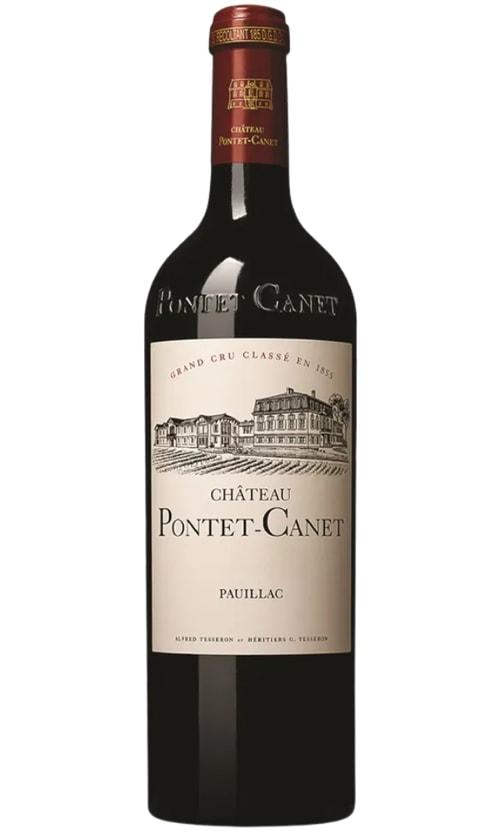
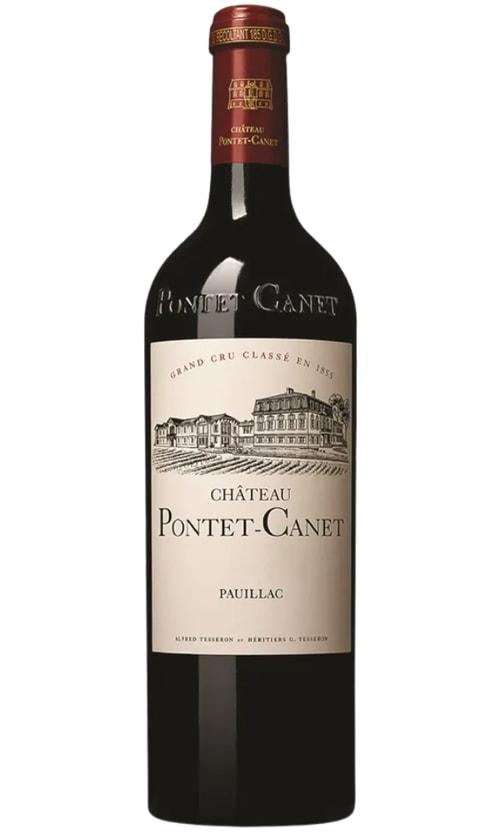
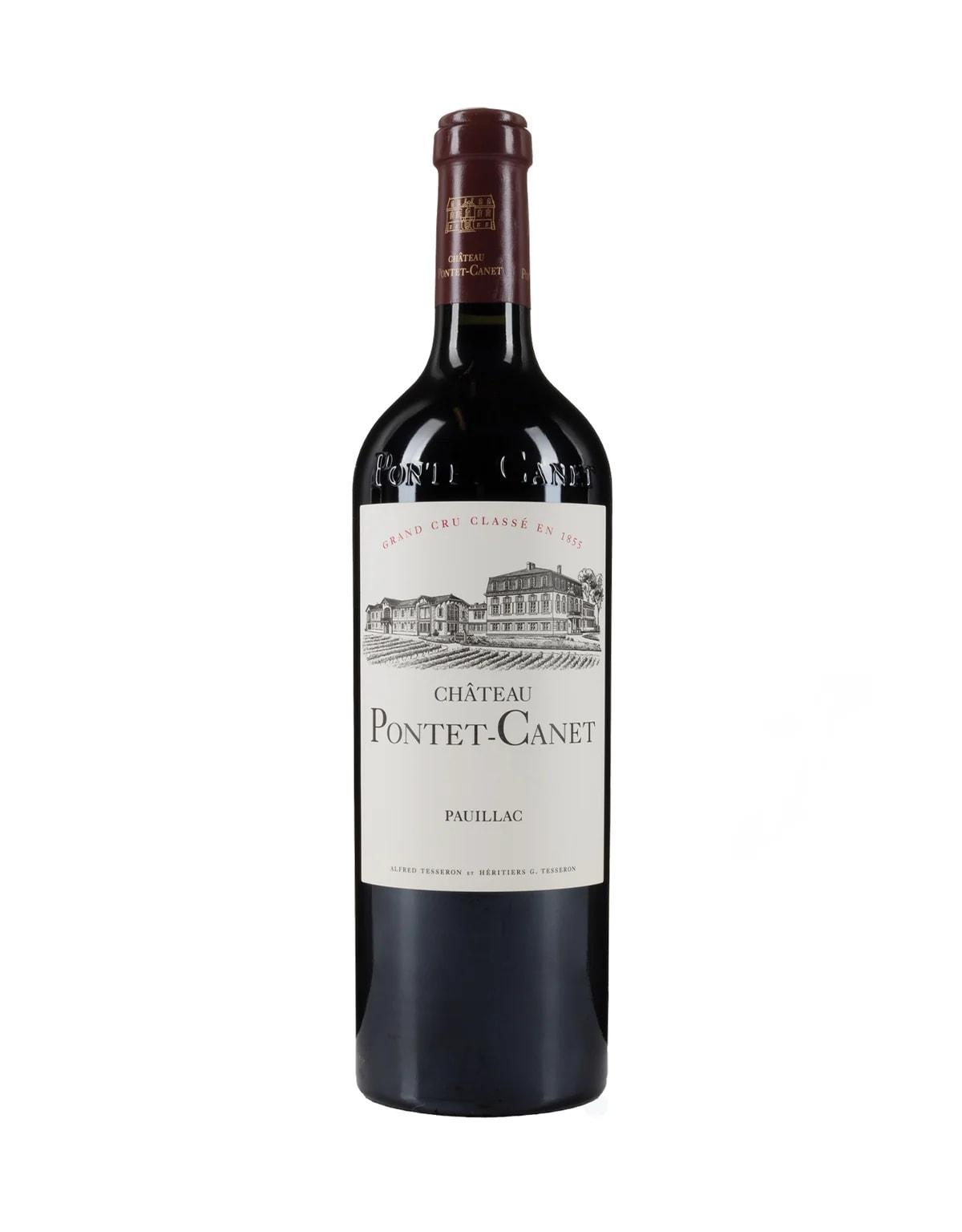
Château Pontet-Canet
 Pauillac, Bordeaux, France
Jean-François de Pontet, a governor of the Médoc, founded the estate in 1705 by assembling parcels of land in Pauillac. His descendants later acquired additional land in a locality known as Canet, which led to the winery's current name. The property earned recognition as a Fifth Growth in the 1855 classification of Bordeaux. In 1865, the estate was purchased by the merchant Herman Cruse, whose family maintained ownership for over a century. In 1975, Guy Tesseron acquired the château. It remains in the hands of the Tesseron family today, currently managed by Alfred Tesseron and his daughter Justine.
The vineyard covers 81 hectares on a quaternary gravel ridge with a base of clay and limestone. Under the leadership of Alfred Tesseron and former director Jean-Michel Comme, the estate adopted biodynamic viticulture, receiving full certification in 2010. To prevent soil compaction, the team utilizes a stable of Percheron horses to plow roughly half of the vineyard. Winemaking involves fermentation in concrete and oak vats followed by aging in a combination of new oak barrels and custom concrete amphorae. Some of these amphorae are constructed with gravel and limestone sourced directly from the estate's own soil to maintain a connection to the terroir.
Château Pontet-Canet is best known for its grand vin, a blend primarily of Cabernet Sauvignon alongside Merlot, Cabernet Franc, and Petit Verdot. The estate also produces a second wine named Les Hauts de Pontet-Canet. Although its official 1855 status is a Fifth Growth, the property is widely considered by critics to perform at the level of the highest classified estates. The wines are noted for their concentration, structure, and potential for long aging, often achieving high critical ratings in exceptional vintages like 2009 and 2010.