Producer
Château Phélan Ségur
 Saint-Estèphe, Bordeaux, France
Bernard Phelan, an Irish wine merchant, moved to Bordeaux and established the estate in the early nineteenth century. He acquired the Clos de Garamey in 1805 and the Ségur de Cabanac estate in 1810, joining the two properties to create what was then one of the largest vineyards in the region. His son Frank Phelan oversaw the development of the property and built the current chateau, which was architecturally unique for the period because it integrated the vat room and cellars directly into the main residence. The Gardinier family purchased the estate in 1985 and managed it for over three decades. In 2017, the property was sold to Philippe Van de Vyvere, a Belgian executive who serves as the chief executive officer of the logistics firm Sea-Invest.
The estate maintains 70 hectares of vineyards located near the Gironde estuary in the Saint Estèphe appellation. The terroir consists of a thick layer of Garona gravel mixed with clay, which provides natural drainage and heat regulation for the vines. Planting is dominated by Cabernet Sauvignon and Merlot, with smaller portions of Cabernet Franc and Petit Verdot maintained at a high density of roughly 8,500 vines per hectare. Winemaking involves manual harvesting and optical sorting followed by fermentation in temperature controlled stainless steel tanks. The technical team utilizes 39 separate tanks to allow for precise plot by plot vinification. The wine typically ages for 18 months in French oak barrels, with approximately half of the barrels being new for each vintage.
The primary label is the grand vin, Château Phélan Ségur, accompanied by a second wine called Frank Phélan and a third named La Croix Bonis. Although it was not included in the 1855 Classification, the property gained a reputation for quality that matches many of the classified growths. It was formally ranked as a Cru Bourgeois Exceptionnel in the 2003 classification before the owners opted to withdraw from the system in 2010. The vineyards border estates such as Château Montrose and Château Calon Ségur, sharing similar soil structures and climatic influences. Critics frequently note the wine for its structural balance and its significant potential for long term cellaring.
Wines from Château Phélan Ségur
6 wines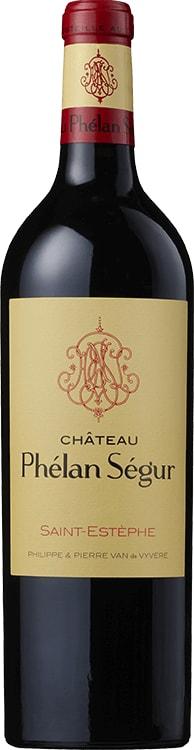 Bordeaux (Saint-Estèphe)
Château Phélan Ségur
Château Phélan Ségur · 2023
Red Blend
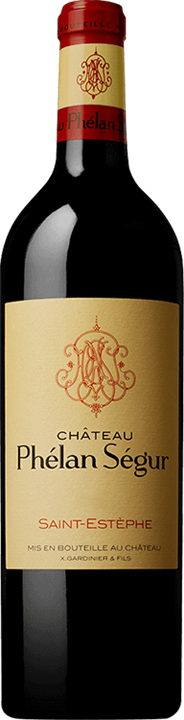 Bordeaux (Saint-Estèphe)
Château Phélan Ségur
Château Phélan Ségur · 2016
Red Blend
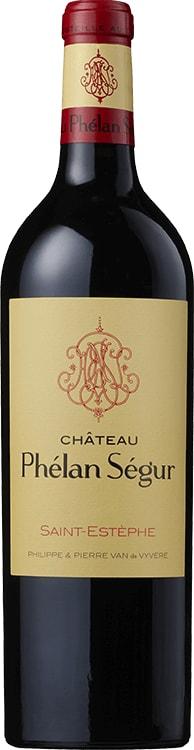 Bordeaux (Saint-Estèphe)
Château Phélan Ségur
Château Phélan Ségur · 2022
Red Blend
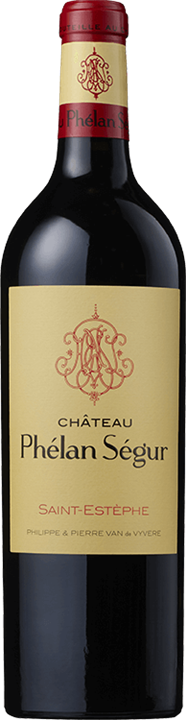 Bordeaux (Saint-Estèphe)
Château Phélan Ségur
Château Phélan Ségur · 2021
Red Blend
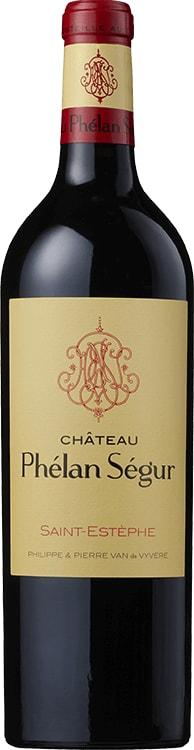
Château Phélan Ségur 2018
Château Phélan Ségur · 2018
Château Phélan Ségur 2019
Château Phélan Ségur · 2019