Producer
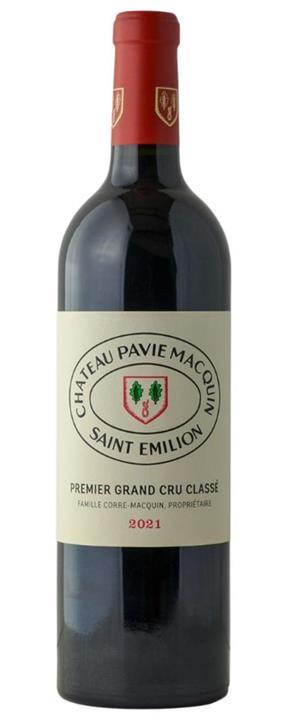
Château Pavie Macquin
 Saint-Émilion, Bordeaux, France
Albert Macquin (1852-1911) established the estate in the late 1880s by purchasing and combining several parcels, including La Serre, Peygenestou, and Pavie-Chapus. An agricultural engineer who studied at Montpellier, Macquin was instrumental in helping Saint-Émilion recover from the phylloxera epidemic. He advocated for the use of American rootstock and grafting techniques, eventually producing over one million plants to supply local growers through a dedicated grafting school. The property has remained under the control of his direct descendants for over a century. It is currently owned by the Corre and Charpentier families, who represent the third and fourth generations of the founder's lineage.
The vineyard occupies 15 hectares on the Saint-Émilion plateau, located roughly 100 meters above sea level on the edge of the Fongaban fault. This location features a specific terroir of heavy and brown clays resting on a bedrock of asteriated limestone, which contains fossilized starfish and provides natural drainage and water retention. Since 1994, the estate has been managed by Nicolas Thienpont, who works alongside technical director Cyrille Thienpont and consulting oenologist Stéphane Derenoncourt. Vineyard management focuses on manual labor, including hand-harvesting and intensive canopy management. In the cellar, the fruit is fermented in concrete tanks using gravity-fed systems, followed by an aging period of 16 to 20 months in oak barrels, typically with 50 to 60 percent new oak.
The estate is classified as a Premier Grand Cru Classé B, a rank it first achieved in 2006 and has maintained through subsequent updates to the Saint-Émilion classification. Its primary wine is a Merlot-dominant blend, usually comprising about 80 to 84 percent of the variety, with the remainder made up of Cabernet Franc and a small amount of Cabernet Sauvignon. The style is characterized by a balance of structural density and the limestone-derived freshness that defines the plateau's wines. Beyond the grand vin, the property produces a second wine under the label Les Chênes de Macquin. The reputation of the estate rose significantly during the late 1990s, with many critics identifying the 1998 vintage as a major turning point for quality and consistency.