Producer
Château Montrose
 Saint-Estèphe, Bordeaux, France
Étienne Théodore Dumoulin established the estate in 1815 after recognizing the potential of a gravelly hillside previously used for hunting. The property takes its name from the pink heather that once grew on the site, which sailors on the Gironde estuary referred to as the pink mountain. Despite its relatively young age compared to neighboring estates, the property was ranked as a Second Growth in the 1855 classification of Médoc wines. Following Dumoulin, industrialist Mathieu Dollfus owned the estate from 1866 and updated the property by constructing a village for workers and introducing early technological innovations. The Charmolüe family managed the estate for over a century until 2006, when Martin and Olivier Bouygues acquired the property and began an extensive renovation project.
The vineyard consists of 95 hectares in a single contiguous block overlooking the Gironde estuary. This position provides a microclimate where the river acts as a thermal regulator against extreme temperatures and frost. The soil is composed of deep gravel mounds, particularly from the geological formation known as Terrace 4, over a clay and sand subsoil that provides natural drainage. Cabernet Sauvignon is the primary variety planted, occupying approximately 60 percent of the vineyard, followed by Merlot, Cabernet Franc, and Petit Verdot. Winemaking involves precise parcel selection and fermentation in temperature controlled stainless steel vats. Since the 2006 acquisition, the estate has implemented significant environmental measures, including geothermal energy systems and a transition toward organic viticulture.
The primary wine, Château Montrose, is known for a powerful and tannic structure that typically requires significant time in the cellar to mature. It has earned a reputation as a super second, a term used for estates that frequently produce quality comparable to the First Growths of Bordeaux. In addition to the Grand Vin, the estate produces a second wine called La Dame de Montrose and a third label named Tertio de Montrose. Recent vintages have shown a shift toward greater precision and more integrated tannins while maintaining the long aging potential characteristic of the Saint Estèphe appellation. The property is one of the most significant estates on the Left Bank, consistently receiving high critical scores for its depth and consistency.
Wines from Château Montrose
7 wines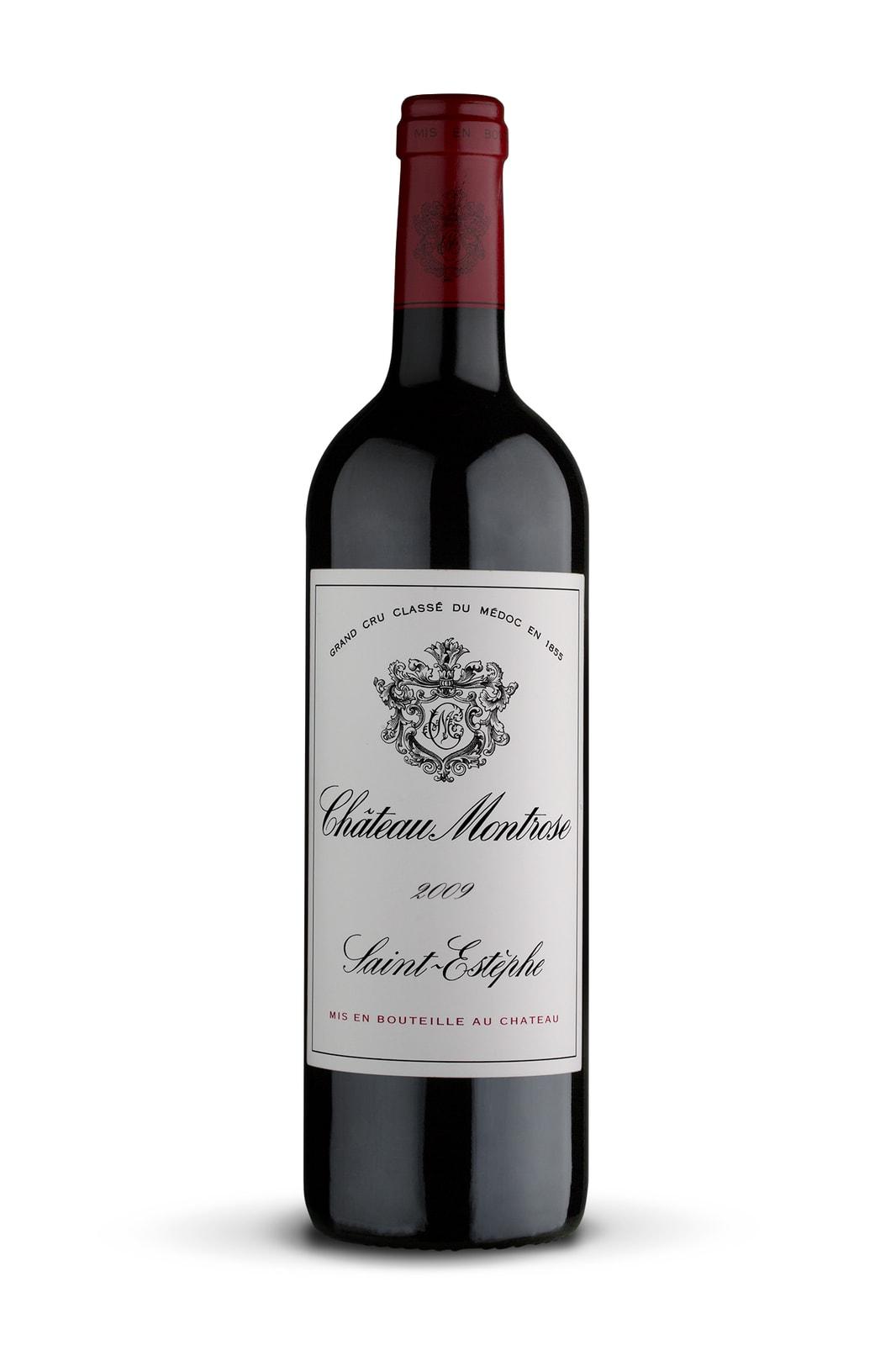 Bordeaux (Saint-Estèphe)
Château Montrose
Château Montrose · 2009
Red Blend
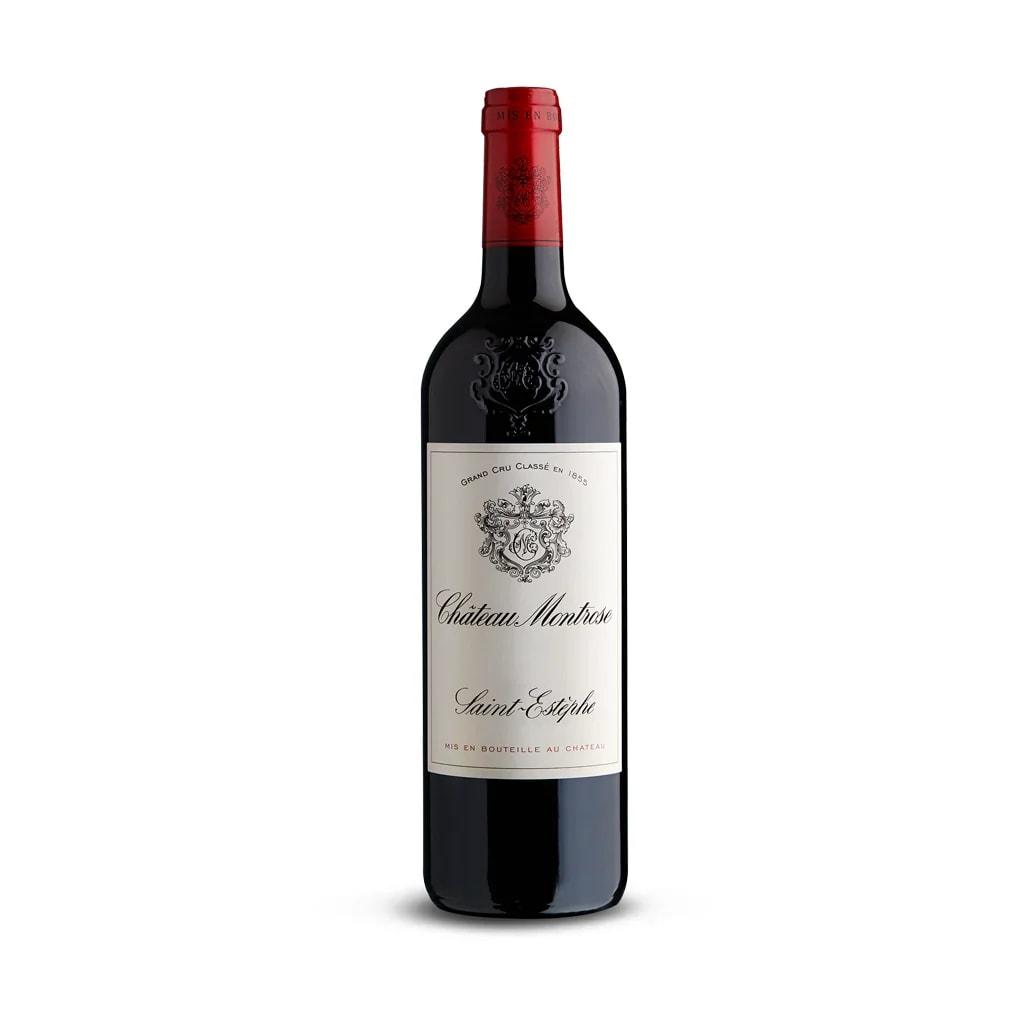 Bordeaux (Saint-Estèphe)
Château Montrose
Château Montrose · 2017
Red Blend
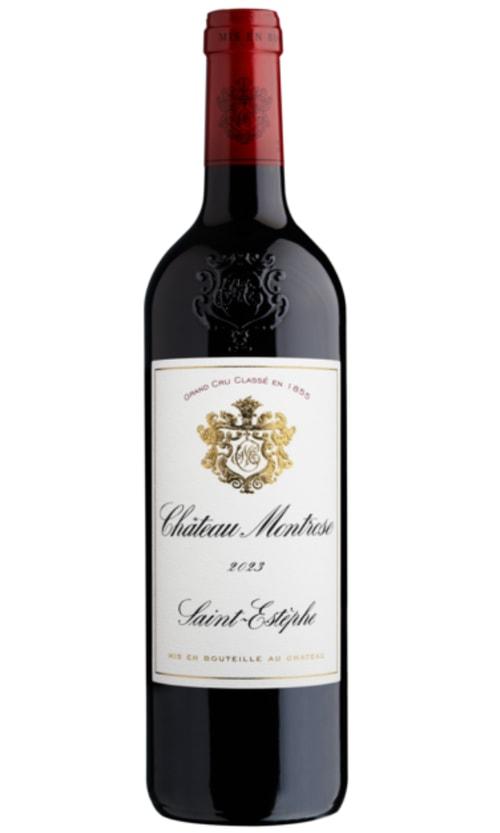 Bordeaux (Saint-Estèphe)
Château Montrose
Château Montrose · 2023
Red Blend
 Bordeaux (Saint-Estèphe)
Château Montrose
Château Montrose · 2021
Red Blend
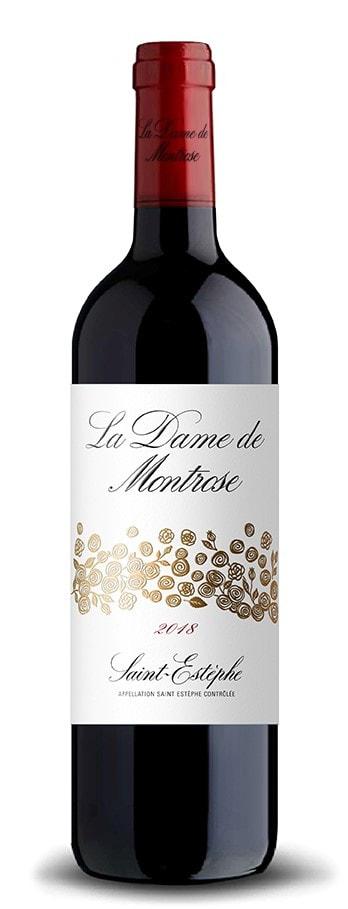 Bordeaux (Saint-Estèphe)
La Dame de Montrose
Château Montrose · 2018
Red Blend
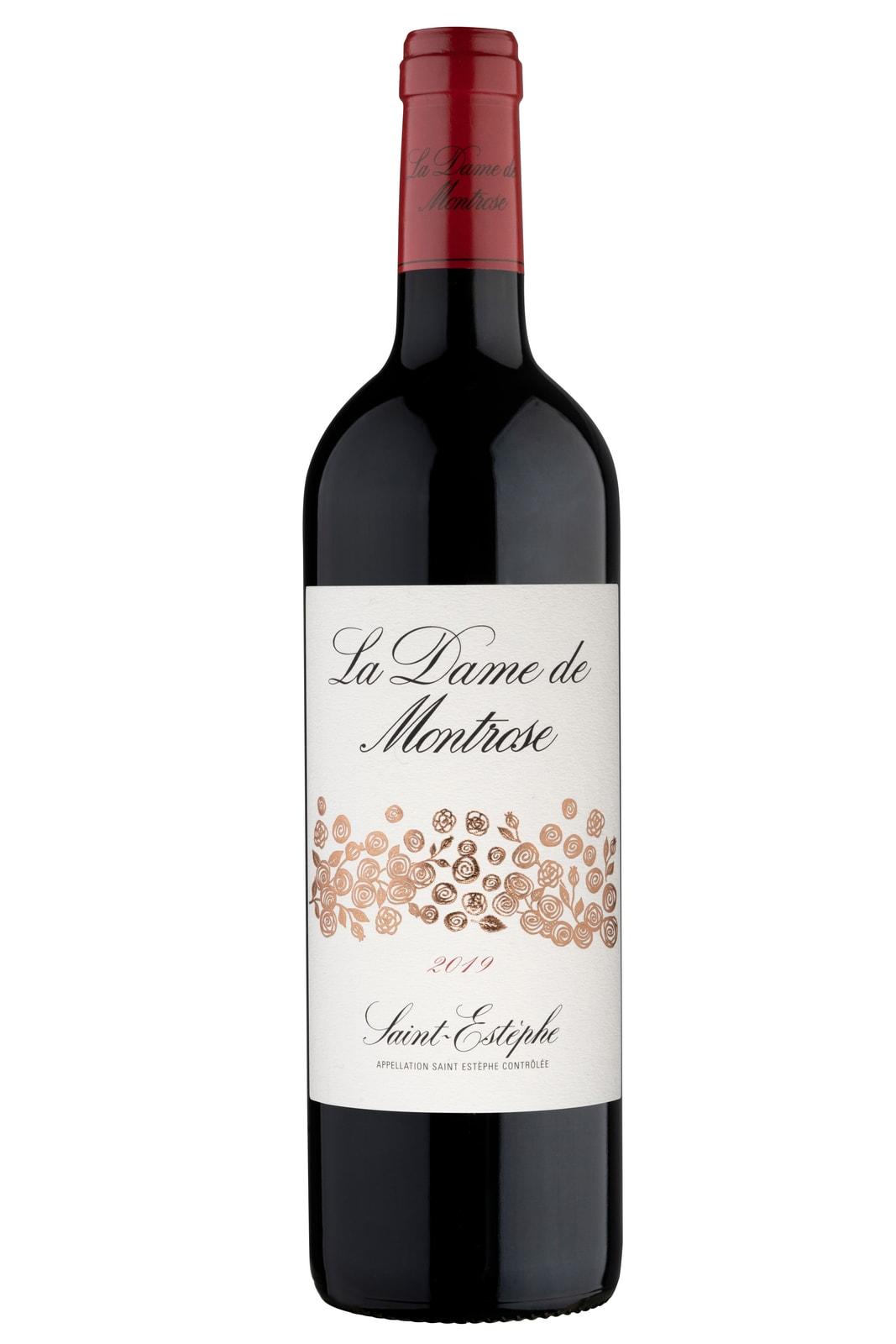 Bordeaux (Saint-Estèphe)
La Dame de Montrose
Château Montrose · 2019
Red Blend
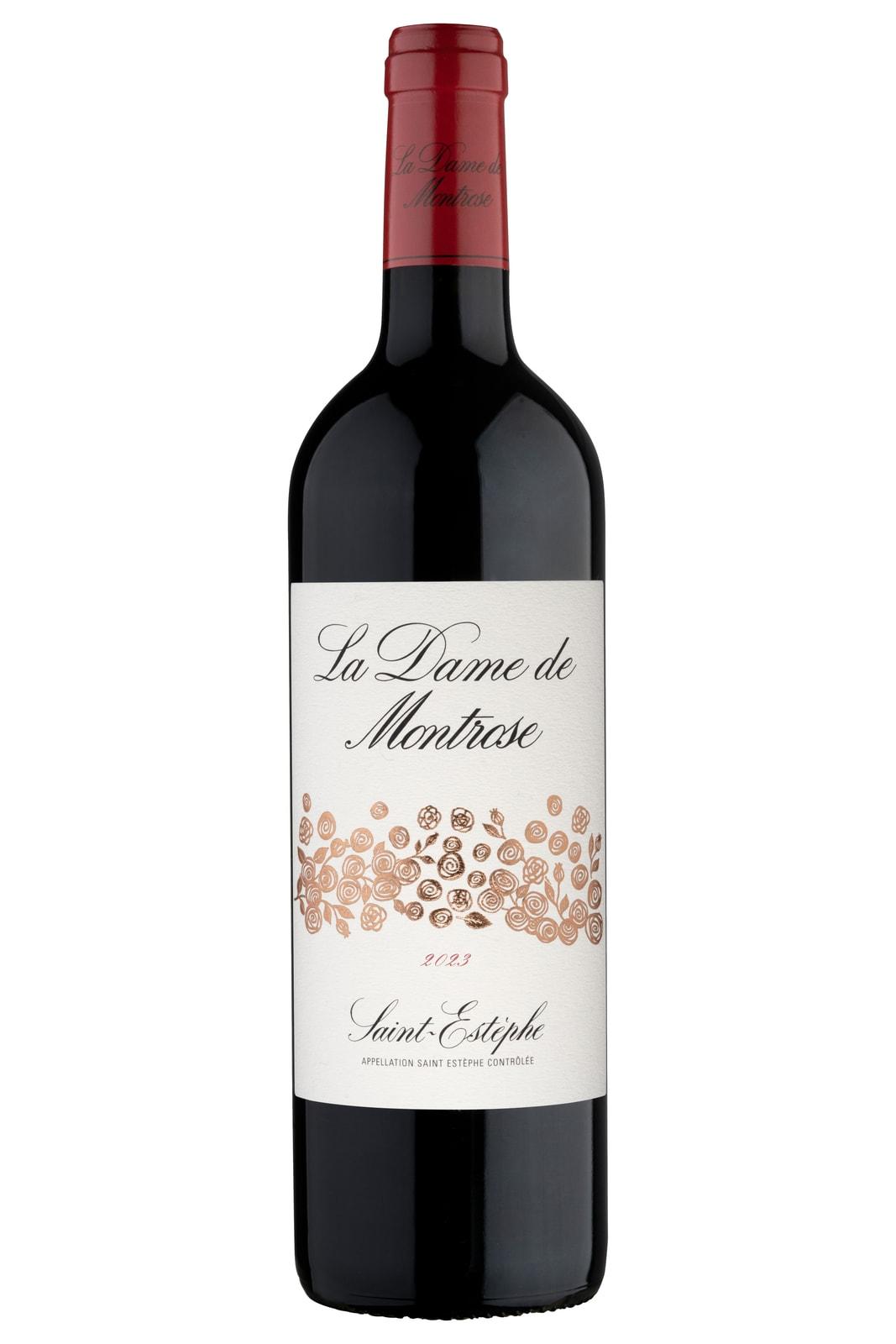 Bordeaux (Saint-Estèphe)
La Dame de Montrose
Château Montrose · 2023
Red Blend