Producer
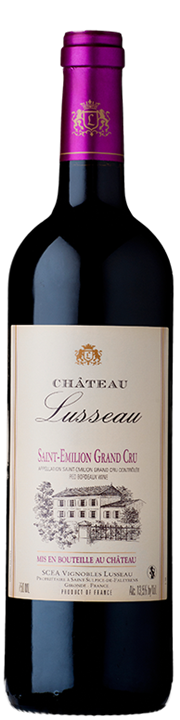
Château Lusseau
 Saint-Émilion, Bordeaux, France
Laurent Lusseau owns and operates this Saint-Émilion estate, which has been in his family for several generations. He is a prominent figure in the Bordeaux wine industry, notably serving as the estate manager and head winemaker for the extensive portfolio of Gerard Perse. His professional responsibilities include overseeing operations at prestigious classified growths such as Château Pavie, Château Monbousquet, and Château Pavie Decesse. Château Lusseau represents a more personal project for him, where he applies the high level technical standards of the Right Bank's elite properties to his own family's heritage vineyards.
The vineyard is located in the Saint Sulpice de Faleyrens sector, positioned in close proximity to Château Monbousquet. The terroir features a combination of clay and gravelly soils that support vines with an average age of approximately fifty-five years. While the total holdings cover twelve hectares, the primary Grand Cru wine is typically sourced from the most favorable plots to maintain a high standard of quality. The vineyard is planted with seventy percent Merlot, twenty percent Cabernet Franc, and ten percent Cabernet Sauvignon at a density of 5,500 vines per hectare. These farming practices have earned the Haute Valeur Environnementale certification, which reflects a commitment to sustainable viticulture and the preservation of the local ecosystem.
Winemaking at the estate is conducted with consultation from the influential oenologist Michel Rolland. The process begins with a seven day cold maceration, followed by fermentation in temperature controlled stainless steel and concrete vats. Malolactic fermentation is carried out directly in French oak barrels to integrate the wood early in the development of the wine. The wine is typically aged for eighteen months in French oak, with sixty percent of the barrels being new for each vintage and the remainder consisting of one year old barrels. The resulting wine is characterized by its aromatic presence, often showing notes of blackcurrant, dark cherry, and spice. With an annual production of approximately 15,000 bottles, the wine is recognized for having a structured but refined tannic backbone that offers both immediate accessibility and the potential for mid-term cellaring.