Producer
Château Le Boscq
 Saint-Estèphe, Bordeaux, France
The history of the estate begins in 1749 when Thomas Barton, an Irish merchant and founder of a prominent Bordeaux négociant firm, took over the tenancy of the property. Barton resided at the estate until his death in 1780, playing a role in the expansion of the Médoc wine trade. In the late 19th century, Jean Grazilhon, whose grandfather had served as the estate steward during the Barton era, acquired the property as the new owner. Grazilhon oversaw the construction of the present residence in 1891, a stately building that looks out over the Gironde Estuary. The estate was officially classified as a Cru Bourgeois in 1932. Dourthe, a leading Bordeaux wine producer and merchant, began managing the estate in 1995 through a long term lease and finalized the full purchase of the property in early 2021.
The vineyard occupies 20 hectares in the northern portion of the Saint-Estèphe appellation, situated near the banks of the Gironde. The terroir consists of high gravel hillocks resting on a deep subsoil of clay, a combination that provides both drainage for the vines and water reserves during dry summers. While many Saint-Estèphe producers favor Cabernet Sauvignon, this estate maintains a high proportion of Merlot, which often accounts for approximately 50 to 60 percent of the plantings. The remaining vineyard area is dedicated to Cabernet Sauvignon, Petit Verdot, and Cabernet Franc. The winemaking facility uses a gravity flow system and optical sorting technology to protect the quality of the fruit. Fermentation takes place in temperature controlled stainless steel tanks of varying sizes, allowing for parcel by parcel vinification. The wine is aged for 12 to 14 months in oak barrels, typically using 45 percent new wood.
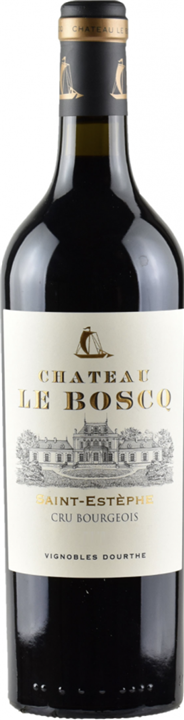
The estate achieved the highest ranking of Cru Bourgeois Exceptionnel in the 2020 classification, a distinction that recognized the continuous improvement of the vineyard and cellar practices under Dourthe. The wines are noted for balancing the traditional power and structure of the Saint-Estèphe appellation with a smoother, fleshier profile derived from the Merlot component. The label features an image of a gabarre, which is a traditional river barge. This symbol honors the historical period when wine barrels were transported from the estate dock along the river to the port of Bordeaux. In addition to the primary label, the property produces a second wine named Héritage de Le Boscq. The estate has also committed to sustainable viticulture, earning High Environmental Value level 3 certification. Following years of integrated farming, the property officially began its transition toward organic certification with the 2023 vintage.
Wines from Château Le Boscq
5 wines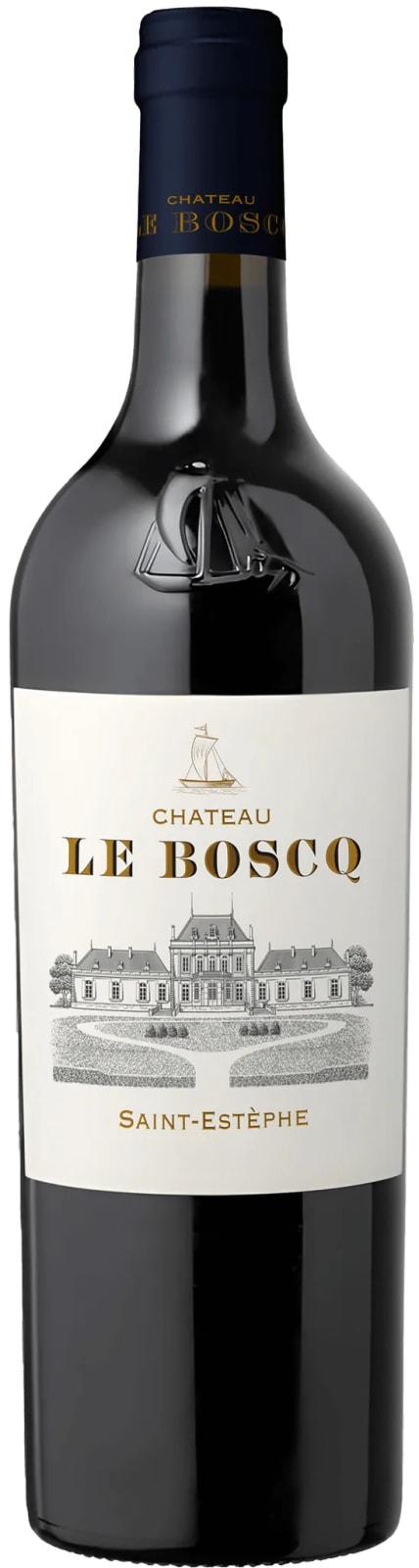 Bordeaux (Saint-Estèphe)
Château Le Boscq
Château Le Boscq · 2023
Red Blend
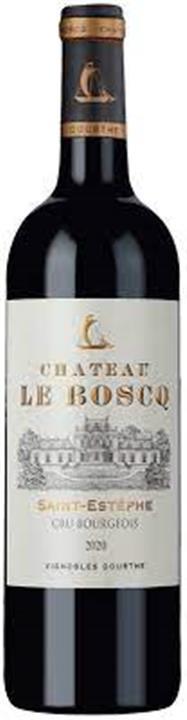 Bordeaux (Saint-Estèphe)
Château Le Boscq
Château Le Boscq · 2020
Red Blend
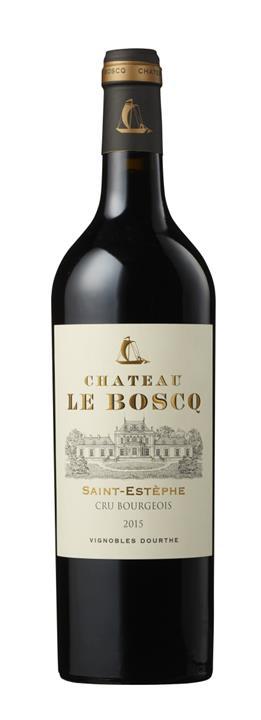 Bordeaux (Saint-Estèphe)
Château Le Boscq
Château Le Boscq · 2021
Red Blend
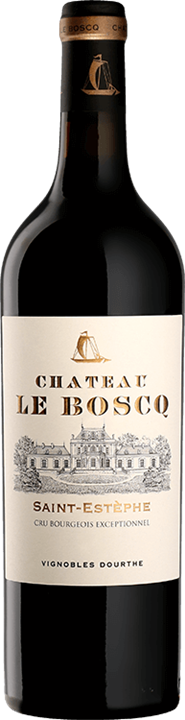 Bordeaux (Saint-Estèphe)
Château Le Boscq
Château Le Boscq · 2022
Red Blend
 Bordeaux (Saint-Estèphe)
Château Le Boscq
Château Le Boscq · 2018
Red Blend