Producer
Château Latour-Martillac
 Pessac-Léognan, Bordeaux, France
Château Latour-Martillac takes its name from a twelfth century fortified tower that remains in the estate courtyard. While the vineyard lands were part of a larger estate belonging to the ancestors of the philosopher Montesquieu, the winery took its specific identity in the nineteenth century. Edouard Kressmann, a Bordeaux wine merchant, began distributing the wines in 1871. His son Alfred Kressmann purchased the property in 1930 to secure the supply of white wines for his clients. The estate remains in the Kressmann family today, currently managed by Jean Kressmann's sons, Tristan and Loïc Kressmann.
The vineyard is situated on the Martillac plateau in the Pessac-Léognan appellation across 55 hectares. The terroir is divided into two distinct subsectors based on soil composition. The higher plateau consists of Pyrenean gravel from the Quaternary period, which provides the drainage required for red varieties like Cabernet Sauvignon and Petit Verdot. Slopes closer to the Garonne River feature a mix of clay and limestone with gravelly surfaces suited for Merlot and white varieties. A specific 0.65 hectare plot named Grattecap, grafted in 1884, contains a historical collection of white grape varieties including Sémillon and Sauvignon Blanc. Winemaking is overseen by Valérie Vialard, who utilizes a gravity fed vat room and underground red wine cellar facility completed in 2019. The estate practices integrated viticulture, using methods such as sexual confusion to manage pests and picking grapes by hand in small crates.
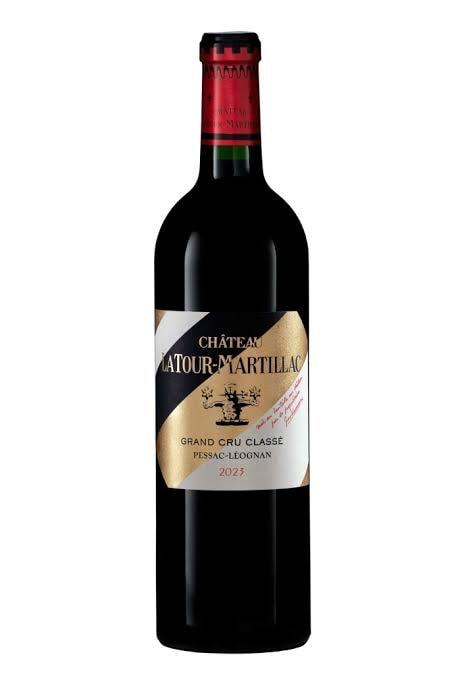
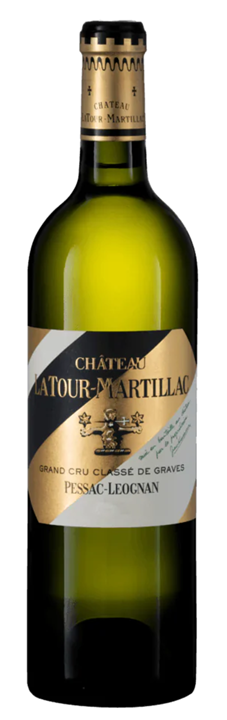
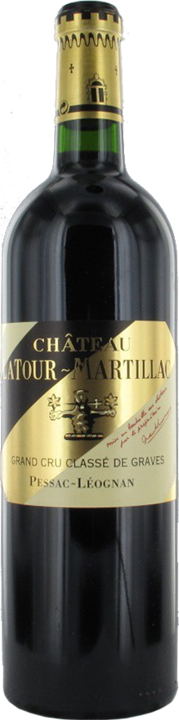
The property is one of only six estates in the 1953 Graves Classification to be ranked for both its red and white wines. Historically, the estate was primarily known for its white wine production, which once accounted for three quarters of its total output. Its reputation for red wine grew significantly after the 1929 vintage was selected for the coronation banquet of King George VI in 1937. The bottles are distinguished by a label featuring alternating gold and sand colored diagonal stripes, a design introduced by the family in 1934. The winery also produces a second label, Lagrave-Martillac, in both red and white versions.
Wines from Château Latour-Martillac
4 wines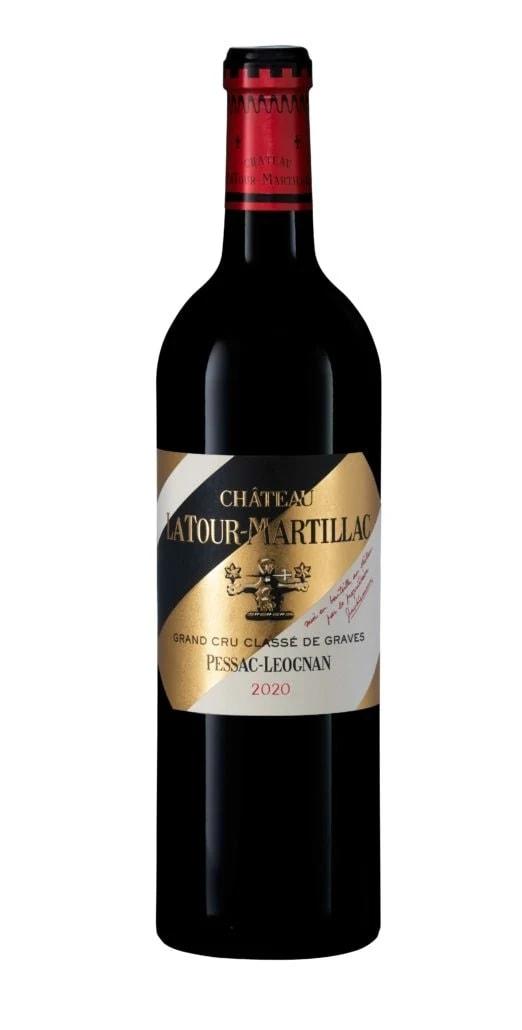 Bordeaux (Pessac-Léognan)
Château Latour-Martillac
Château Latour-Martillac · 2020
Red Blend
 Bordeaux (Pessac-Léognan)
Château Latour-Martillac
Château Latour-Martillac · 2023
Red Blend
 Bordeaux (Pessac-Léognan)
Château Latour-Martillac Blanc
Château Latour-Martillac · 2021
White Blend
 Bordeaux (Pessac-Léognan)
Château Latour-Martillac
Château Latour-Martillac · 2022
Red Blend