Producer
Château Latour
 Pauillac, Bordeaux, France
The history of the property begins with a 1331 authorization to build a fortified tower on the Saint-Lambert estate to guard the Gironde estuary during the Hundred Years War. Ownership passed through various noble families before the de Ségur family acquired it in the late 17th century. Under Nicolas-Alexandre de Ségur, who earned the nickname Prince of Vines due to his ownership of several top estates, the property began to establish its reputation for producing quality wine. In the 1855 classification of Bordeaux, the château received the rank of First Growth. Current owner François Pinault purchased the estate in 1993 through his holding company, Artémis Domaines, and placed the management under Frédéric Engerer.
The estate covers 92 hectares in the Pauillac appellation, with the 47 hectare l'Enclos vineyard forming the core of the production. These vines sit on deep gravelly soils with a clay subsoil, a combination that provides natural drainage and required moisture retention. Viticulture follows organic and biodynamic principles, with official organic certification granted by Ecocert in 2018 for the entire vineyard. Harvesting is conducted manually, with grapes sorted at the vineyard and the winery to ensure only the best fruit is processed. Winemaking involves separate fermentation of different plots in temperature controlled stainless steel vats. The Grand Vin is aged exclusively in 100 percent new French oak barrels to support its structural development and longevity.
Château Latour produces three distinct red wines: the Grand Vin de Château Latour, the second wine Les Forts de Latour, and the third label Pauillac de Château Latour. In 2012, the estate made a significant change to the traditional trade model by withdrawing from the Bordeaux En Primeur system. This decision meant that the château would only release its wines to the market when they are considered mature and ready for consumption. The wines are recognized for their structural intensity and a capacity for aging that often spans several decades. This approach has reinforced the position of the estate as a central point of reference for the Left Bank region.
Wines from Château Latour
12 wines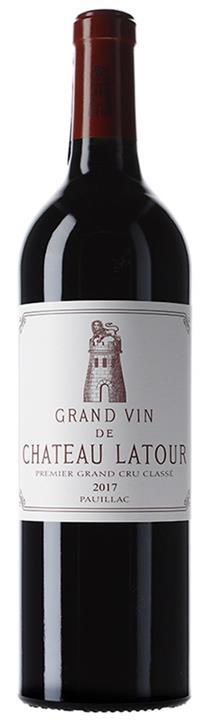 Bordeaux (Pauillac)
Château Latour
Château Latour · 2017
Red Blend
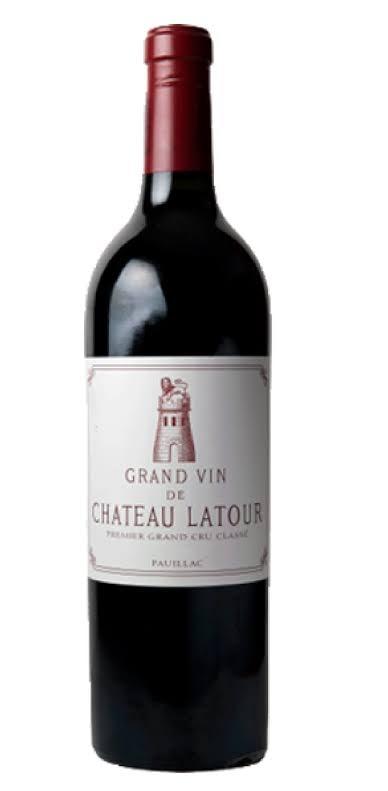 Bordeaux (Pauillac)
Château Latour
Château Latour · 2015
Red Blend
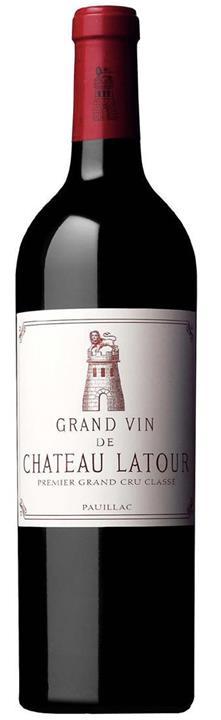 Bordeaux (Pauillac)
Château Latour
Château Latour · 2013
Red Blend
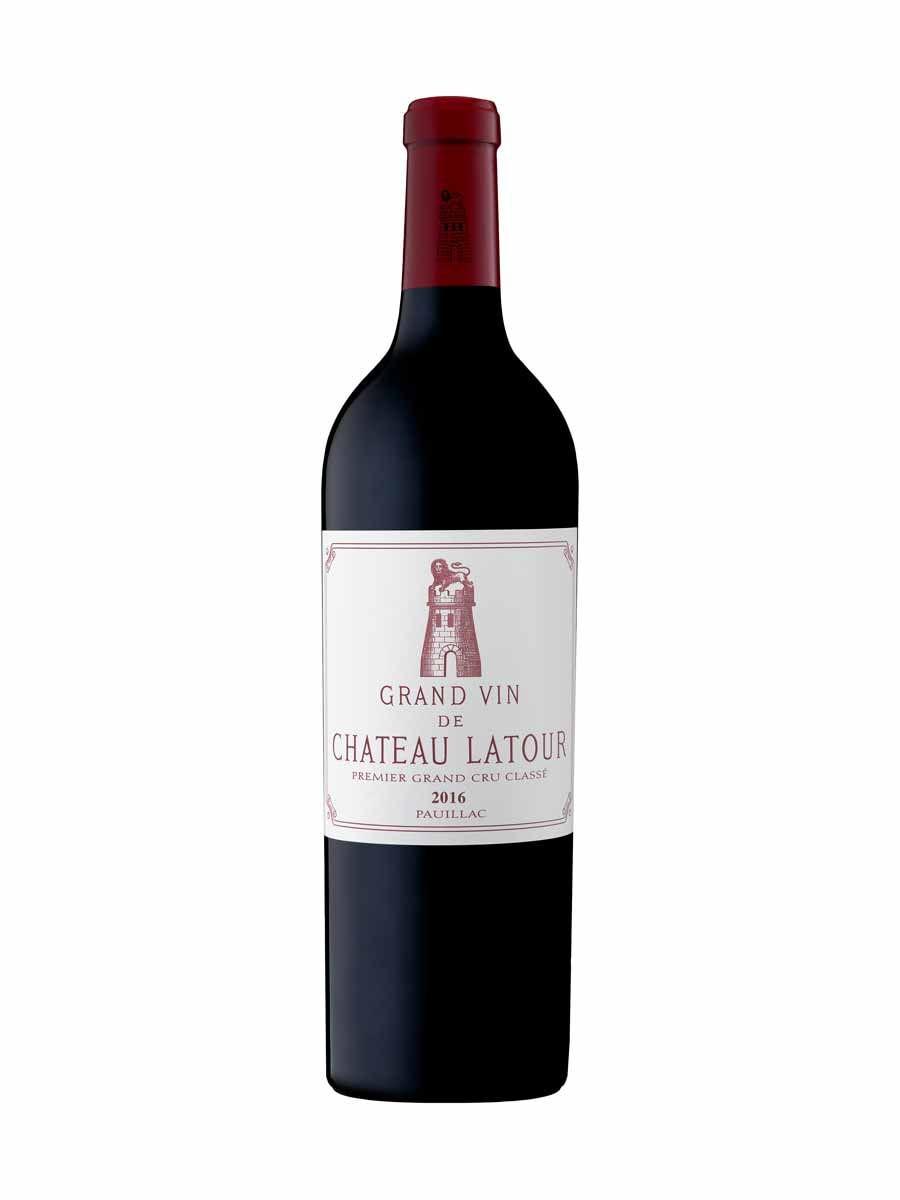 Bordeaux (Pauillac)
Château Latour
Château Latour · 2016
Red Blend
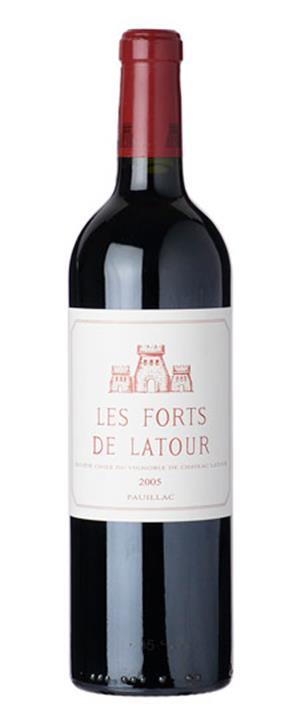 Bordeaux (Pauillac)
Les Forts de Latour
Château Latour · 2017
Red Blend
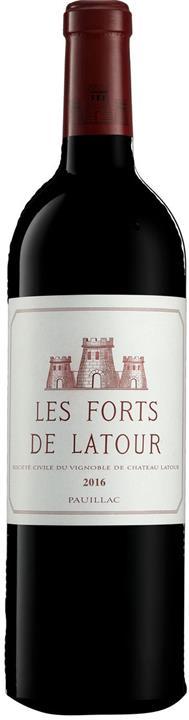 Bordeaux (Pauillac)
Les Forts de Latour
Château Latour · 2018
Red Blend
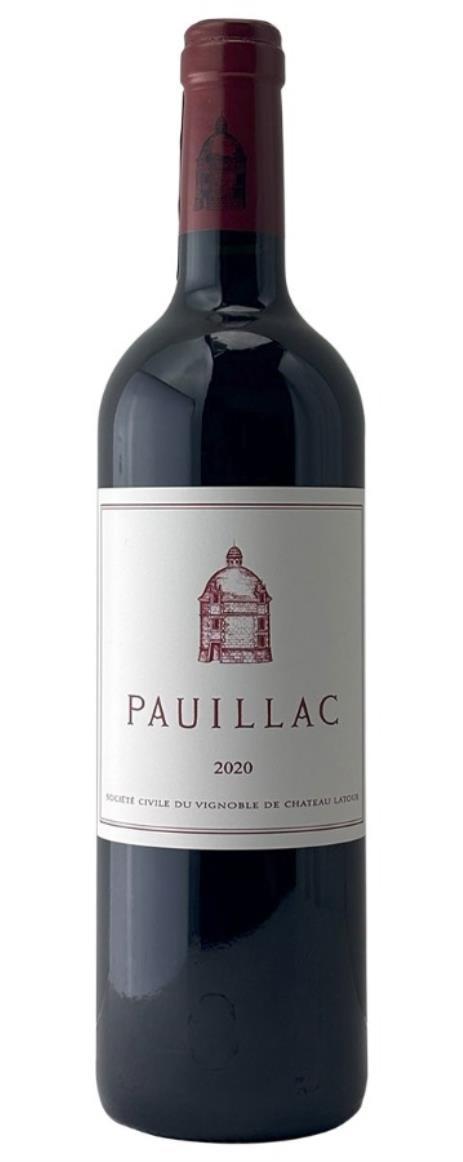 Bordeaux (Pauillac)
Pauillac de Château Latour
Château Latour · 2021
Red Blend
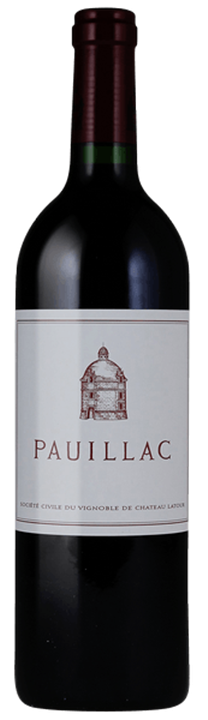 Bordeaux (Pauillac)
Pauillac de Château Latour
Château Latour · 2020
Red Blend
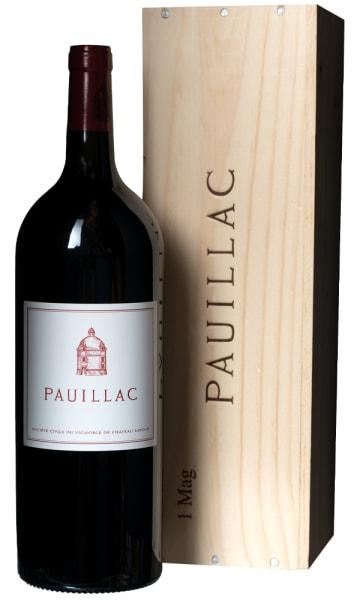 Bordeaux (Pauillac)
Pauillac de Château Latour Magnum
Château Latour · 2021
Red Blend
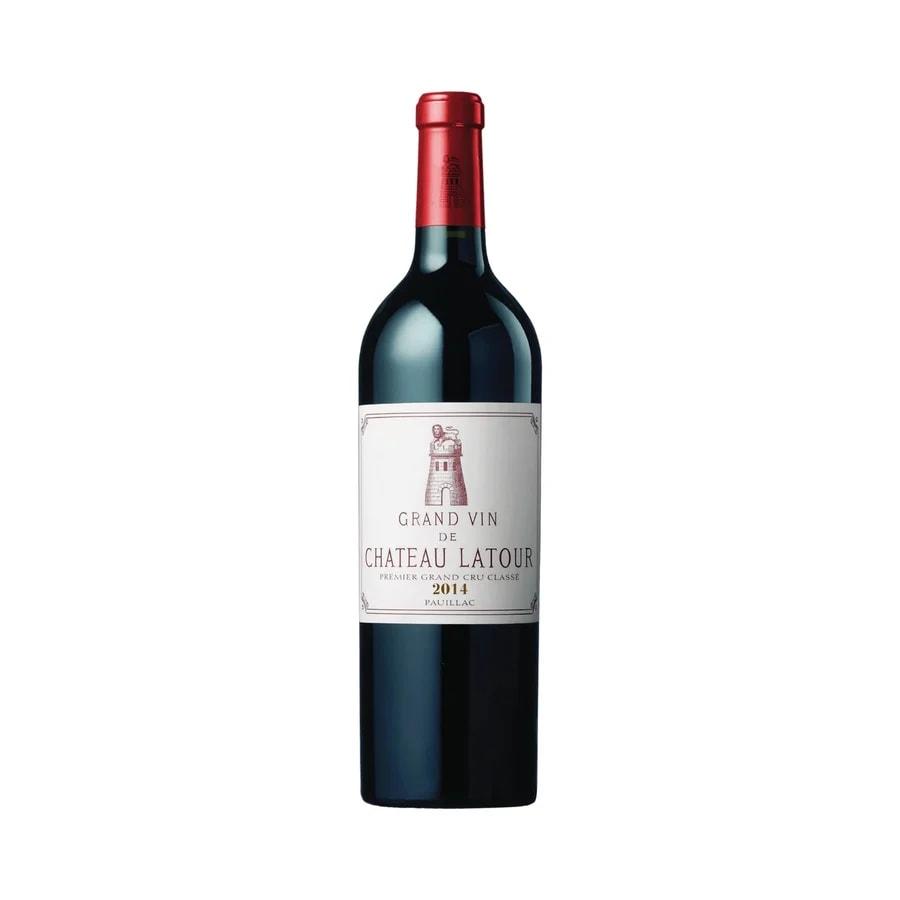 Bordeaux (Pauillac)
Château Latour
Château Latour · 2014
Red Blend
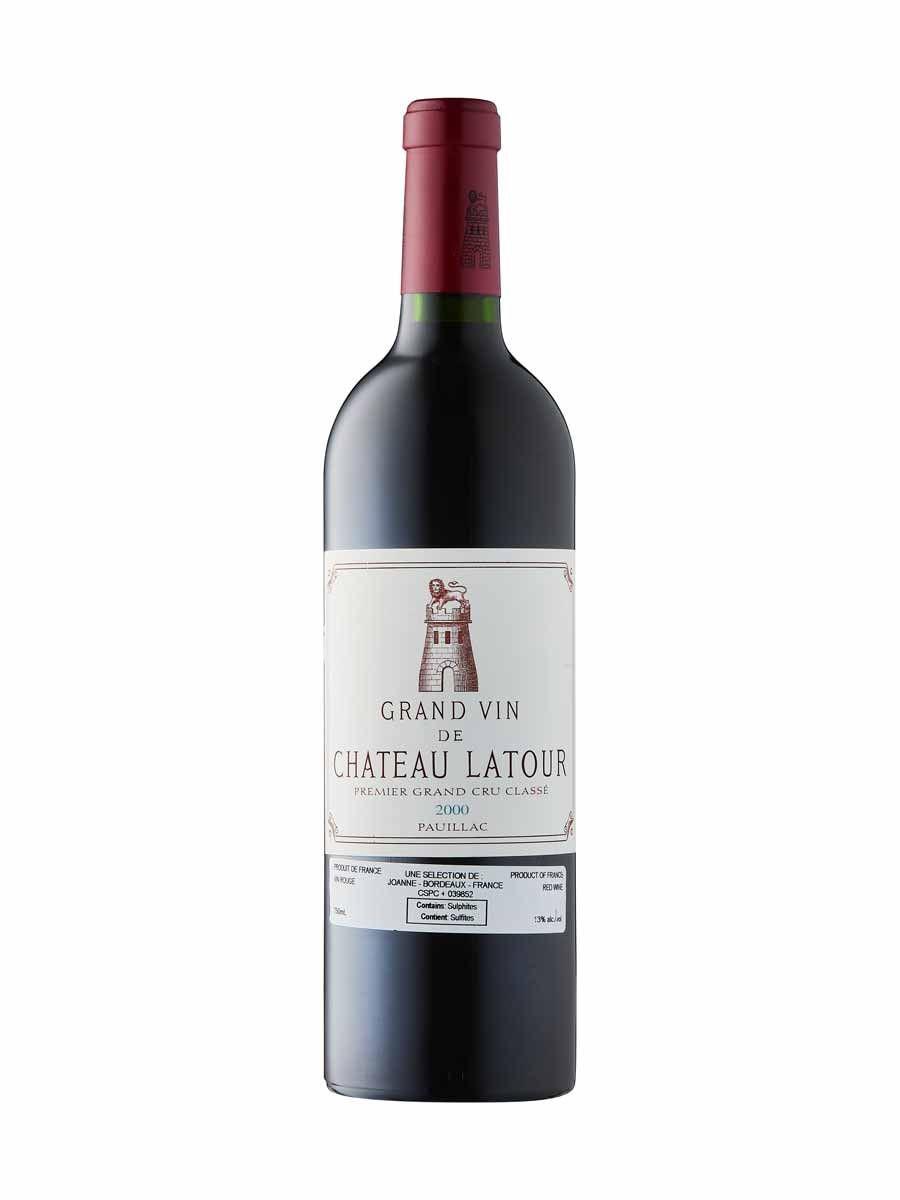 Bordeaux (Pauillac)
Château Latour
Château Latour · 2000
Red Blend
 Bordeaux (Pauillac)
Le Pauillac de Château Latour Magnum
Château Latour · 2019
Red Blend