Producer
Château Larcis Ducasse
 Saint-Émilion, Bordeaux, France
The history of the estate dates back to the 16th century, though its modern identity took shape when Henri Raba acquired the property in 1893. The Gratiot-Attmane family, who are direct descendants of Raba, has maintained ownership through several generations, providing consistent stewardship of the property for over a century. In 2002, the family appointed Nicolas Thienpont to lead the technical and administrative operations. Thienpont, working with technical director David Suire and consultant Stéphane Derenoncourt, implemented a series of changes to the viticulture and cellar practices that significantly improved the quality and precision of the wines produced at the château.
The property covers approximately 11 hectares on the south-facing slope of the Saint-Émilion plateau, an area known as the Côte Pavie. This location provides a specific microclimate and diverse geological layers, ranging from the limestone plateau at the top to clay-limestone colluvium on the steep slopes. The vineyard is planted primarily with Merlot, making up roughly 80 percent of the vines, with Cabernet Franc accounting for the remainder. Winemaking involves parcel-by-parcel fermentation in concrete tanks to respect the differences in soil across the estate. The wine is typically aged for 16 to 18 months in French oak barrels, with a significant portion being new, to balance fruit density with the saline minerality typical of the limestone terroir.
Château Larcis Ducasse achieved the rank of Premier Grand Cru Classé (B) during the 2012 Saint-Émilion classification, marking a formal recognition of its qualitative ascent over the previous decade. The estate produces its flagship grand vin along with a second wine called Murmure de Larcis Ducasse, which is crafted from parcels or younger vines that do not meet the criteria for the primary label. The wines are recognized for their verticality and tension, often exhibiting a distinct freshness even in warmer vintages due to the hillside exposure and soil composition. Situated between Château Pavie and Château Bellefont-Belcier, the estate remains a central figure in the traditional heart of the Saint-Émilion appellation.
Wines from Château Larcis Ducasse
3 wines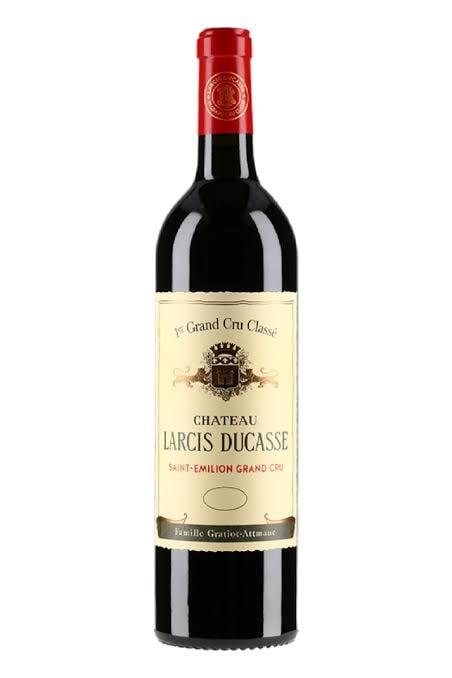 Bordeaux (Saint-Émilion)
Château Larcis Ducasse
Château Larcis Ducasse · 2022
Red Blend
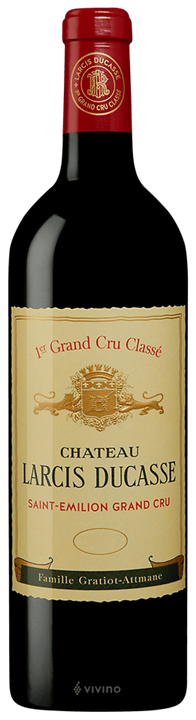 Bordeaux (Saint-Émilion)
Château Larcis Ducasse
Château Larcis Ducasse · 2021
Red Blend
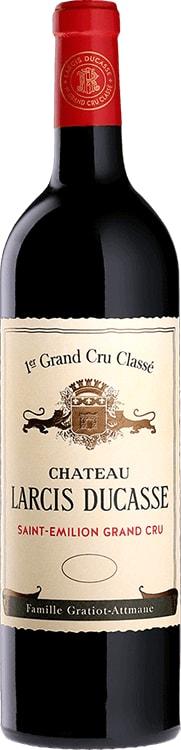 Bordeaux (Saint-Émilion)
Château Larcis Ducasse
Château Larcis Ducasse · 2023
Red Blend