Producer
Château La Lagune
 Médoc, Bordeaux, France
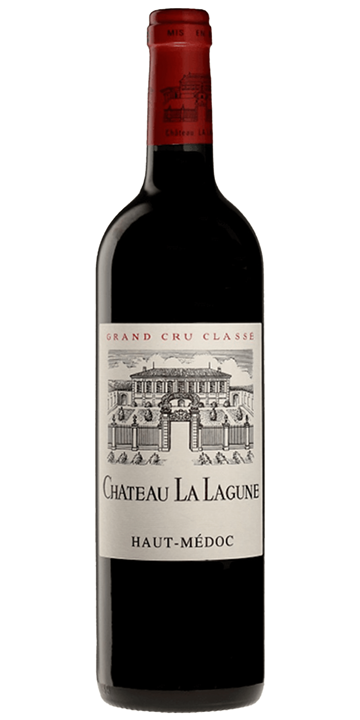
Château La Lagune dates back to the sixteenth century, with records of the Village de La Lagune appearing as early as 1525. The current residence was built between 1730 and 1734 by the architect Baron Victor Louis, who also designed the Grand Théâtre in Bordeaux. The estate was owned by several families, including the Sèze family, before falling into significant disrepair during the early twentieth century. In 1958, entrepreneur Georges Brunet purchased the property and initiated a massive replanting program, restoring the vineyards from only five hectares to a much larger scale. The property was sold to the Ayala Champagne house in 1962 and was subsequently acquired by the Frey family in 2000. Caroline Frey managed the estate from 2004 until 2025, when leadership transitioned to her sister, Delphine Frey-Prost.
The estate consists of approximately 80 hectares of vineyards located on the southernmost gravelly hilltop of the Médoc peninsula in the Ludon-Médoc commune. The terroir is characterized by fine Mindel gravel and sand, which facilitates drainage and heat retention. Viticulture at the estate has undergone significant ecological shifts, achieving official organic certification in 2016 and incorporating biodynamic practices across the entire vineyard area. The plantings consist of approximately 60 percent Cabernet Sauvignon, 30 percent Merlot, and 10 percent Petit Verdot. Winemaking involves gravity-fed facilities and fermentation in temperature controlled stainless steel tanks. Recent stylistic shifts under new management have included a reduction in the proportion of new oak during maturation and the introduction of amphorae for aging certain portions of the wine.
As a Third Growth in the 1855 Classification, the property holds the highest rank of any estate within the Haut-Médoc appellation. The grand vin is recognized for its aromatic complexity and a balance between Médoc power and the finer textures often associated with the neighboring Margaux region. The estate also produces a second wine, Moulin de La Lagune, primarily from younger vines, and a third label called Mademoiselle L. The producer is frequently cited as a leader in sustainable viticulture within the Bordeaux region, being one of the first major classified growths to fully convert to organic farming.