Producer
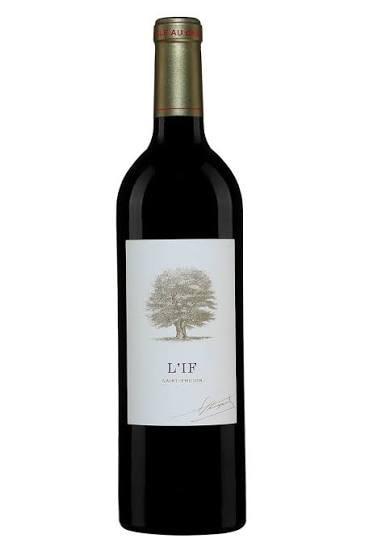
Château L'If
 Saint-Émilion, Bordeaux, France
Jacques Thienpont purchased the estate in 2010, marking a return to Saint-Émilion for his branch of the family. The property was previously known as Château Haut-Plantey, and its wines were formerly marketed under the name La Bouygue by the previous owner, Michel Boutet. Thienpont chose the name L'If, which translates to yew tree, to create a specific botanical connection with his Pomerol property, Le Pin, which is named after a lone pine tree. This acquisition holds historical significance because Thienpont's grandfather, Georges Thienpont, once owned the nearby Château Troplong Mondot until 1935, when the family was forced to sell it during the Great Depression.
The estate covers eight hectares situated on the Saint-Émilion plateau, positioned near neighbors such as Troplong Mondot and Valandraud. The terroir consists of a thin layer of clay over a limestone subsoil, a combination that defines the freshness and structure of the wines. Cyrille Thienpont, the son of Jacques's cousin Nicolas, manages the daily operations and oversees the winemaking process. The vineyard is currently planted with roughly 75 to 80 percent Merlot and 20 to 25 percent Cabernet Franc. Upon acquisition, the Thienponts began a restructuring program that involved removing old Cabernet Sauvignon vines to better suit the limestone terrain. Fermentation takes place in a range of small, temperature-controlled concrete and stainless steel tanks to allow for parcel by parcel vinification. The wine then matures for 12 to 16 months in French oak barrels, of which approximately 50 percent are new.
Château L'If is frequently cited as the Saint-Émilion sibling to the Pomerol estate Le Pin, sharing a similar philosophy of small scale production. Because of the modest vineyard size and strict selection, annual output remains low, often limited to approximately 10,000 bottles. Though the estate is not part of the Saint-Émilion classification system, it has quickly gained a following for wines that emphasize aromatic precision and the saline, mineral characteristics typical of the limestone plateau. Recent vintages have received high scores from major critics, who highlight the property's rapid rise in quality since its debut commercial release in 2011.