Producer
Château L’Église-Clinet
 Pomerol, Bordeaux, France
The history of Château L’Église-Clinet is rooted in the early 19th century, beginning when Jean Rouchut purchased vineyard land near the Pomerol parish church in 1803. The estate in its modern configuration was established in 1882 when the Mauleon-Rouchut family merged their holdings with parcels acquired from the Constant family, owners of neighboring Domaine de Clinet. For much of the 20th century, the property was leased to and managed by the Lasserre family of Clos René. This arrangement ended in 1983 when Denis Durantou, a descendant of the founding family, took direct control of the winemaking and viticulture. Under his tenure, the estate underwent modernization, including cellar renovations and a replanting program, which elevated its standing on the Right Bank. Following his death in 2020, the management of the property passed to his daughters, Constance and Noëmie Durantou, who continue his work alongside cellar master Olivier Gautrat.
The vineyard covers 4.5 hectares on the Pomerol plateau, characterized by soils of deep clay and gravel enriched with iron-bearing deposits known as crasse de fer. These holdings are notable for a high proportion of old vines, with some Cabernet Franc and Merlot plantings dating back to 1935, having survived the regional frosts of 1956. The vineyard is planted to roughly 85 percent Merlot and 15 percent Cabernet Franc, though a small amount of Malbec remains as a historical field blend. Viticulture emphasizes low yields and high planting density to ensure fruit concentration. In the cellar, the fruit is vinified in temperature-controlled stainless steel and concrete vats. The grand vin is aged for 15 to 18 months in French oak barriques, with the proportion of new oak typically ranging from 50 to 80 percent depending on the vintage.
Château L’Église-Clinet is one of the most distinguished properties in Pomerol, an appellation that does not use a formal classification system. The estate is consistently ranked by critics among the top growths of Bordeaux, often compared in quality to neighbors such as Pétrus and Château Lafleur. The wine is characterized by its aromatic complexity and powerful structure, offering significant potential for aging. The estate also produces a second wine, La Petite Église, which was first introduced with the 2002 vintage. This bottling is sourced from specific plots within the vineyard that feature lighter, sandier soils, resulting in a more accessible expression of the terroir. These wines are among the most sought-after labels in the Pomerol appellation and maintain a reputation for precision and traditional craftsmanship.
Wines from Château L’Église-Clinet
4 wines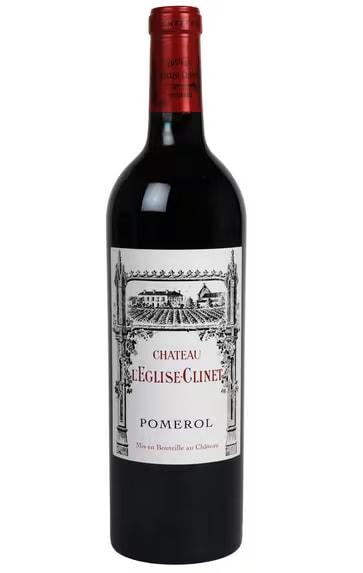 Bordeaux (Pomerol)
Château L'Eglise-Clinet
Château L'Eglise-Clinet · 2022
Red Blend
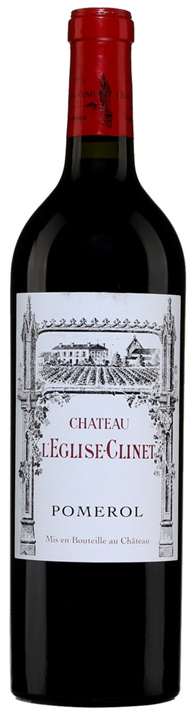 Bordeaux (Pomerol)
Château l'Église-Clinet
Château l'Église-Clinet · 2021
Red Blend
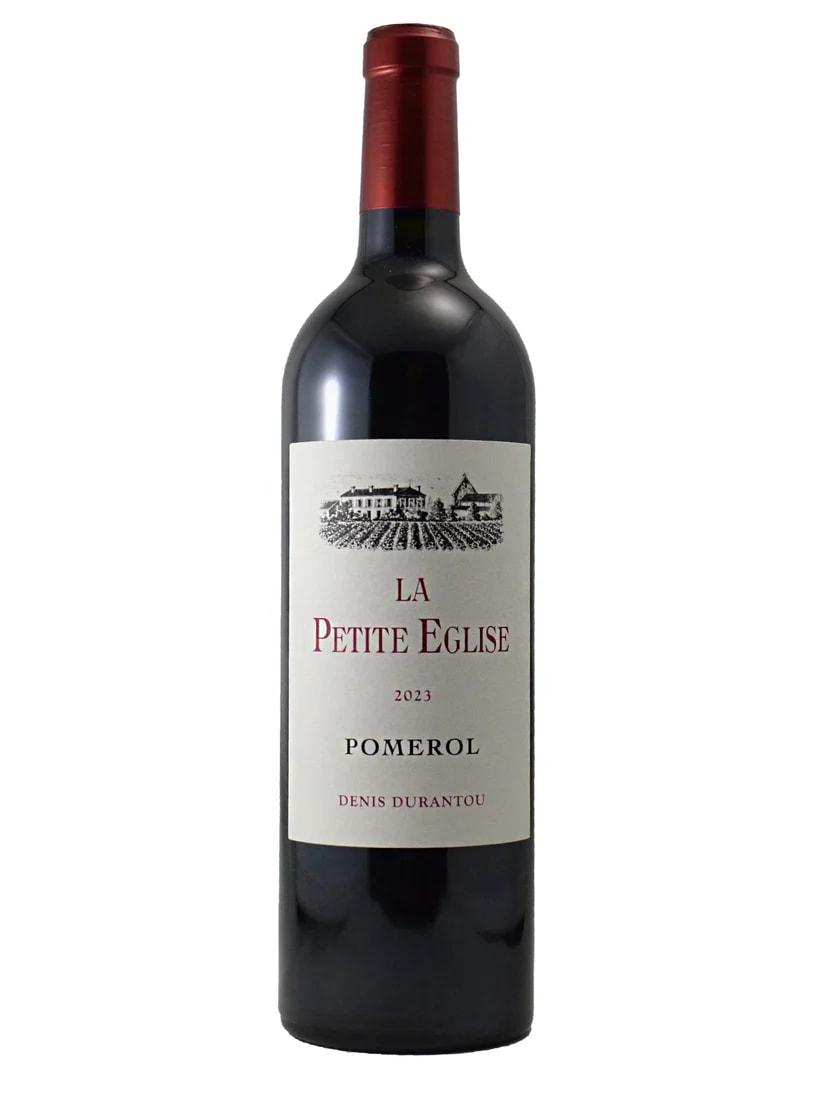 Bordeaux (Pomerol)
La Petite Église
Château l'Église-Clinet · 2023
Red Blend
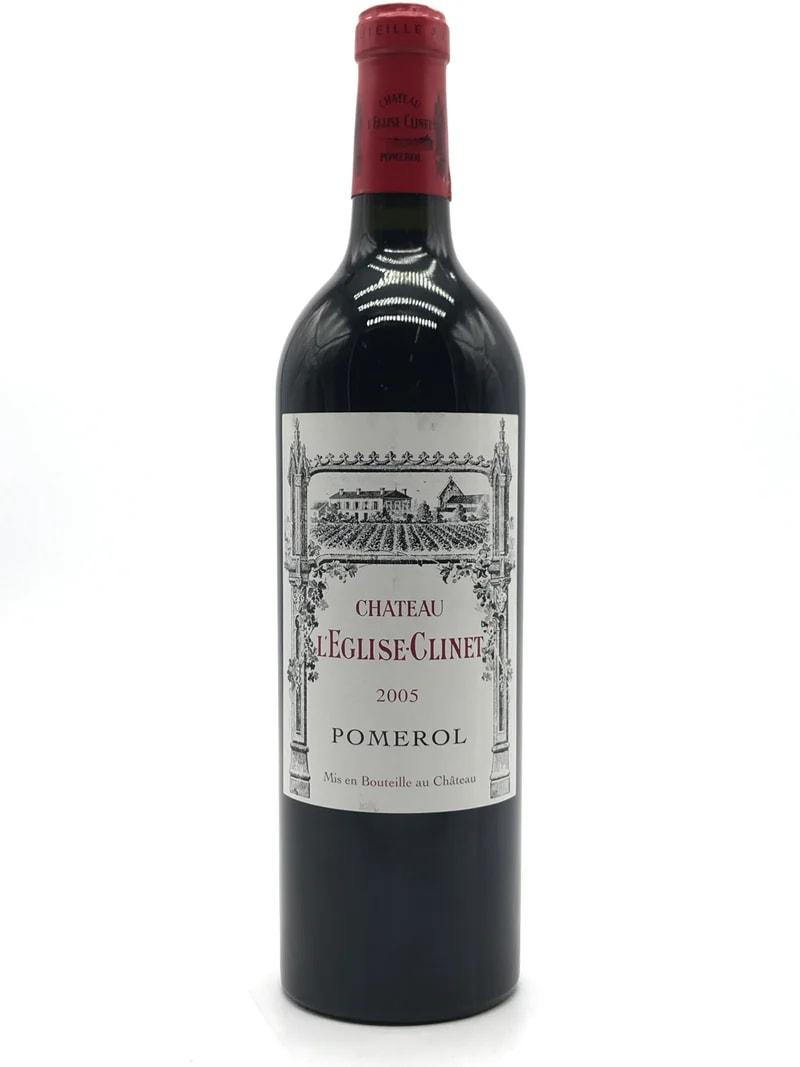 Bordeaux (Pomerol)
Château L'Église-Clinet
Château L'Église-Clinet · 2005
Red Blend